
Categories
- Iridology Software FQA (4)
- Iridology Iris Diagnosis (2)
- Iridology (39)
- Case Analysis (0)
- BLOG (73)

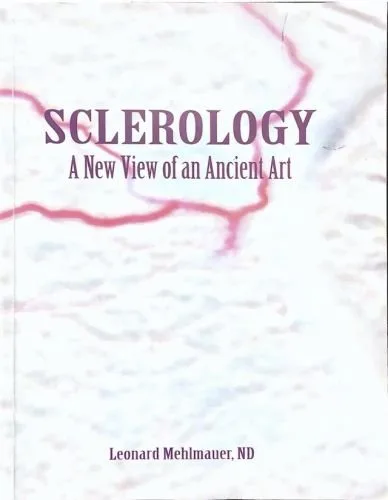
Studying comparable provider with an integrated textbook can give you a clear, repeatable method for observing iris structures, linking those diagrams to client images and building a training workflow for staff and patients. With a clinic focus, the textbook should be used together with reliable imaging (for example MAIKONG MK 980U and MK-9822U iriscopes) and software (MaikongCVAdvance) so textbook maps, zone charts and image archives become usable at each consultation. The book supplies reference diagrams and structured study; the cameras and software let you capture, compare and store images for teaching, record-keeping and client reports — not for medical diagnosis. (See evidence and professional cautions below.)
For a busy beauty or wellness clinic owner in Australia, an integrated comparable provider textbook should let you do three practical things within weeks: (1) recognise the main iris zones and the textbook’s standard markings, (2) translate those diagrams to real client images and store labelled images for repeat consultations, and (3) run brief in‑clinic training sessions so staff can take images and explain findings consistently to clients. To consistently achieve those outcomes you need good source material (the textbook), repeatable imaging (we supply MAIKONG iriscope cameras) and software that links textbook diagrams to client images (MaikongCVAdvance is available for MK-9822U) so charts and reports are manageable in daily practice.
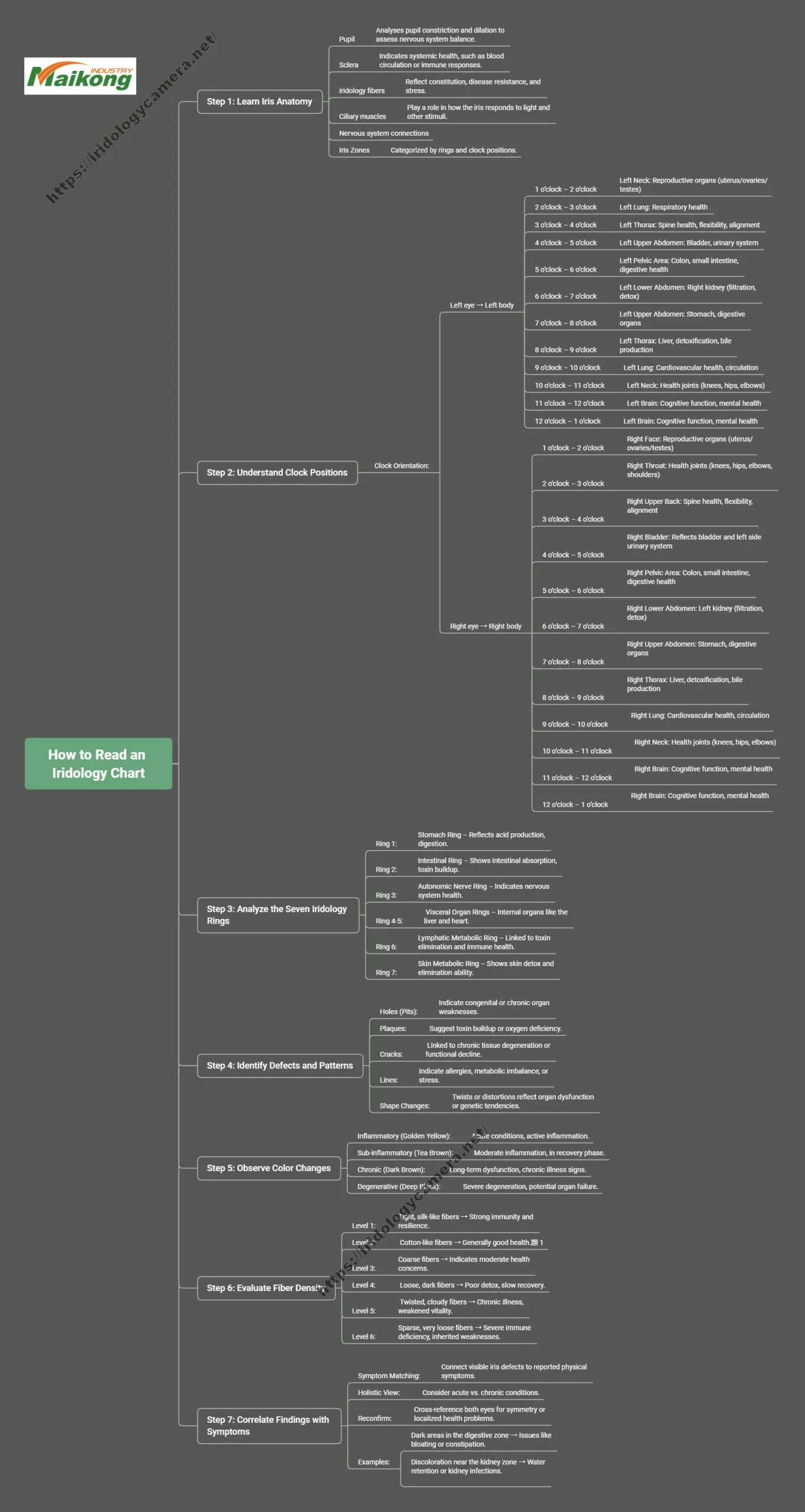
An integrated textbook aimed at practitioners includes: anatomy of the iris and commonly used zone maps, high‑resolution reference photographs, interpretation keys (what different pigment, fibre and structural features look like), stepwise photographic technique notes, short case examples framed as “suitability scenarios” (not outcomes), and exercises for charting and report writing. For clinic use we emphasise the textbook sections that support workflow: standard image capture positions, left/right comparison, record labelling conventions and sample client communication scripts. That keeps consultations professional and consistent across staff.
Use the textbook as your visual reference while capturing images with a stable imaging protocol. Our cameras differ in resolution and bundled software; pick the one that matches your immediate needs and operating system.
| Model | Sensor / resolution | Illumination / lens | Software & OS | Lead time / warranty |
|---|
Practical note: the MK 980U is a good, lower‑resolution entry point if you will only use Windows-based clinic workstations. The MK‑9822U provides higher image detail and a packaged software key (MaikongCVAdvance) and explicitly lists Mac OS support; that matters if you intend to run analysis or classroom demonstrations on Apple hardware. Use the textbook’s image‑quality checklist (lighting, pupil size, focus) to decide whether your images match reference photos before you begin interpretation.
This plan assumes one or two short study sessions per week plus in‑clinic practice during consultations.
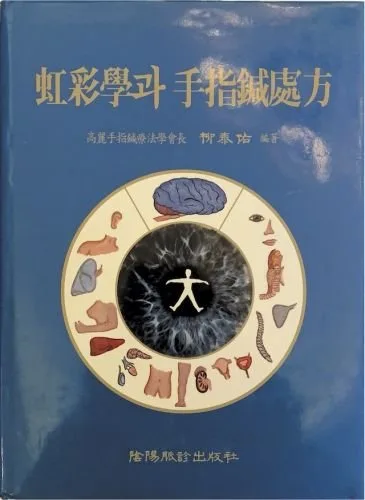
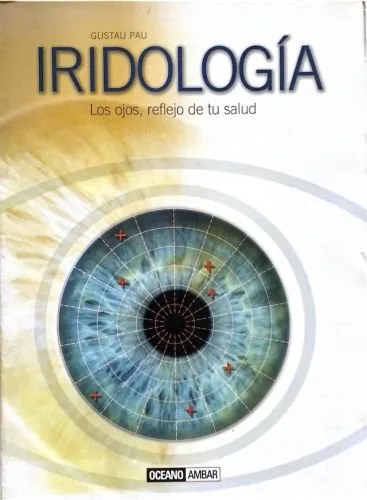
Step 1: ensure your camera settings and lighting reproduce the textbook’s plate conditions. Step 2: import the unprocessed image into MaikongCVAdvance (MK‑9822U users have MaikongCVAdvanceEnglishWiFiV3401 bundled). Step 3: apply the textbook zone overlay and align pupil/limbus markers — use software zoom to verify border alignment. Step 4: freeze or “lock” the overlay and save the annotated file to the client record. Repeat for left and right eyes and keep copies labelled with date, capture conditions and operator initials.
Note: software features and exact overlay tools differ between versions; confirm the software version and test alignment on several images before using an overlay in client materials.

Keep sessions short (30–90 minutes) and focused on one skill: capture, charting or client communication. Use the textbook plates as the central visual aid and live images from your clinic as the local examples. For clients, present a single annotated image that shows a neutral observation and a recommended general wellness follow‑up. For staff, require a signed checklist showing they can capture and annotate one image to the clinic standard.

comparable provider textbooks provide observation frameworks, not medical diagnoses. Our products are intended to support education, imaging and client communication — not to replace qualified medical assessment. Be explicit in client materials that iris observations are for wellness illustration only. Regulatory and advertising rules in Australia apply: check the Therapeutic Goods Administration (TGA) guidance and local consumer protection laws before using comparable provider images in marketing or making health claims.
Technical limitations to watch for: image clarity depends on correct lighting and pupil size; software overlays require careful alignment; and different camera resolutions change how clearly small features appear. If a specific certification or clinical study is required to support a particular claim, that evidence must be provided separately; our product facts list declared certifications (ISO 9001, CE, ISO 13485) as company declarations, not clinical proof.

What to include in your enquiry or RFQ so we can reply with suitable configuration advice:
We can confirm shipping, accessories (for example the MK‑9822U is supplied with a handset, 30× iris lens, aluminium box and software USB key) and warranty details once we have the configuration and destination. Pricing is available on enquiry.
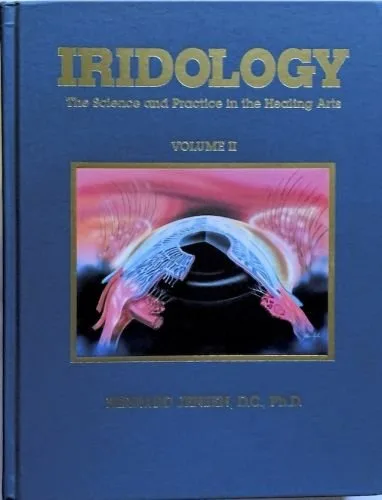

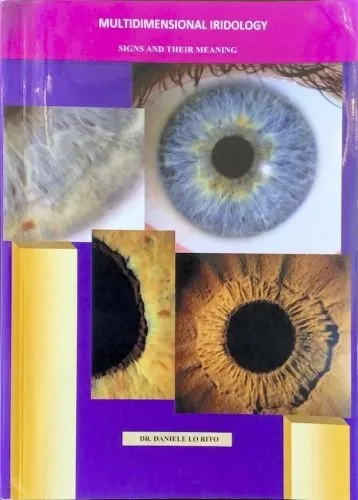
We do not treat comparable provider textbooks or MAIKONG products as diagnostic devices. We have not provided clinical results, certification beyond the company declarations, or pricing here. If you need regulatory advice or evidence for a specific professional claim, consult a qualified regulatory adviser and request the specific certification documents from us as part of your quotation process.
This content is for educational and wellness purposes only. MAIKONG products are intended to support comparable provider education, imaging and consultation workflows and are not to be used as medical diagnostic devices. Users should receive appropriate training and follow Australian laws and advertising rules. For enquiries or quotations, email Lucy@iridologycamera.net.
This content is provided for learning, information sharing and professional communication only. It is not medical advice and is not a basis for treatment or diagnosis. Confirm suitability, operation and purchasing requirements against the product manual, local regulations and qualified professional guidance.
Contact · WhatsApp · +8613510907401
To request a quote or discuss which textbook and camera fit your clinic workflow, email Lucy@iridologycamera.net. In your message please state application (clinic or education), preferred model (MK 980U or MK-9822U), quantity and delivery city in Australia.

