Jake Shirk Kentucky — what Australian holistic health practitioners should do next · body
Quick answer
Searching for “Jake Shirk Kentucky” gives you a name and a geographic hint, but not enough to act on for referrals, clinical training or equipment commitments in Australia. A name match can be a useful lead; it is not verification. Before you refer clients, accept training as continuing professional education, or rely on any equipment claims linked to that name, complete five practical checks (public registers, publications, clinic listings, social profiles and direct contact confirmation). Follow the checklist below and request documentary evidence relevant to the task you’re planning (referral, training, product demo or purchase).
Contents
Direct answer: can Australian holistic practitioners act on searches for “Jake Shirk Kentucky” right now?
Short answer: no, not yet. The search result is a starting point — it signals a person and a U.S. state, but it does not by itself establish credentials, clinical scope, affiliation or product claims that matter to an Australian clinic. Treat the name as a lead to be verified, not as authorisation to change referrals, training rosters or procurement decisions.
What is reasonably verifiable from a name search — what you can and cannot assume
A name-plus-place search commonly yields several things you can check quickly: clinic websites or business listings, professional profiles, published articles or conference appearances, and social media that ties the name to a practice or institution. What you cannot assume from a blind name search: professional licensure, the geographic scope of practice (telehealth or in-person), formal qualifications, indemnity insurance, or any product certification or claims. For cross-border matters — for example if a Kentucky-based practitioner offers online training to an Australian clinic — you must verify both the person’s credentials and the relevance or acceptability of that training under your local professional rules.
Why a practitioner name search matters for Australian holistic clinics
For Australian holistic clinics the outcomes of a name search typically drive three decisions:
Referrals: whether to direct a client to that practitioner or to accept reports or assessments from them.
Training: whether to book staff into online or in-person courses taught by that person and whether those hours count toward CPD or professional development for your team.
Equipment demonstrations and purchase decisions: whether a person associated with a device or technique is a credible demonstrator or trainer and whether their claims about a product are supportable.
Each decision requires different evidence. Referral decisions place emphasis on licensure, scope and insurance; training requires a syllabus, CV and references; equipment claims need model details, specifications, power requirements and demonstrable product provenance for import and warranty purposes.
Practical verification checklist: five checks to run now
Jake Shirk Kentucky — what Australian holistic health practitioners should do next · body
Run these checks in order. They are designed to minimise wasted time and to give you the documents you’ll need if you proceed.
Public registers and licencing
– Check state licensing boards or professional registers relevant to the practitioner’s claimed profession (in the US, state boards; in Australia, the relevant national or state register). A name on a register can confirm licensure and disciplinary history; absence does not necessarily prove fraud (people may use different professional names). For practitioners based in Kentucky, check Kentucky state licencing or specialist boards where applicable.
Publications and conference records
– Search academic databases, trade journals and conference programmes. Peer-reviewed publications or named presentations add traceable credentials; pay attention to institutional addresses and co-authors. If a practitioner cites an article to support a training or product claim, obtain the full citation and read it.
Clinic and business listings
– Verify clinic websites, Google Business profiles, health directories and business registrations. Look for a verifiable practice address, business ABN/ACN equivalents (for Australian registrants) or U.S. business filings for Kentucky-based practices.
Social and professional profiles
– Cross-check LinkedIn, ResearchGate, professional association pages and consistent profile photos or dates. Beware of profiles that are very new, have limited connections or lack independent corroboration.
Direct contact and documentary confirmation
– Contact the practice directly. Ask for a CV, copies of qualifications, details of indemnity insurance, a sample training syllabus or recording, and references from known organisations. For equipment-related claims ask for model identifiers, technical specifications, user manuals and declared certifications.
What to request depending on the decision
Referral: licence number, practising address, indemnity insurance proof and whether the practitioner accepts international referrals.
Training: learning outcomes, agenda, trainer CV (with verifiable affiliations), participant materials and how attendance is certified.
Equipment demo or purchase: exact product model, user manual, power specifications (to confirm import compatibility), declared certifications and proof of warranty policy for Australia.
How verification changes clinic decisions about referrals, training or equipment demonstrations
Jake Shirk Kentucky — what Australian holistic health practitioners should do next · body
Three practical examples of how verification alters actions:
Referrals — If licensure and indemnity are verified, a referral may be reasonable for non-medical, wellness services. If either is missing, do not refer patients or accept clinical conclusions without an Australian-qualified professional reviewing them.
Training — A trainer with verifiable academic publications or recognised institutional affiliation is worth considering for CPD. If the trainer is an independent practitioner with limited traceable record, treat the session as supplementary education only and disclose this to staff.
Equipment demonstrations — If a person in Kentucky claims a specific device achieves particular results, demand the model number, technical specs and user manual before arranging a demo. Electrical compatibility and local warranty terms are routinely omitted from name searches and are essential for an Australian clinic.
If you find a matching professional in Kentucky: safe next steps for Australian practitioners
If the name resolves to a clinic or practitioner in Kentucky and your checks above are satisfactory, proceed cautiously:
Request formal documentation (CV, copies of degrees or certifications, proof of current licensure and professional indemnity).
Ask for a sample of the training material or a short recorded segment before you commit staff time or payment.
If relying on product claims, request the exact model number, manual and declared certifications. Do not assume electrical compatibility or that an overseas warranty will apply in Australia — ask explicitly about power requirements and service arrangements for Australia.
Obtain two local references or ask for testimony from Australian professionals who have engaged with that person or their services; preference should be given to referees you can contact directly.
Red flags and caution points: when a name match is insufficient or risky
Watch for these warning signs:
No independent listings (no clinic website, no business profile or no public registrations).
Inconsistent or conflicting online biographies (dates, institutions or qualifications that do not line up).
Pressure to pay before you see the training syllabus or product manual, or insistence on non-refundable prepayment without documentation.
Claims that rely solely on anecdote, testimonials or proprietary “methods” with no independent publications or recognised affiliations.
Vague product claims with no model identifier, technical specifications or stated certifications — especially important for equipment you plan to import and use in Australia.
Where MAIKONG resources and supplier contacts can help
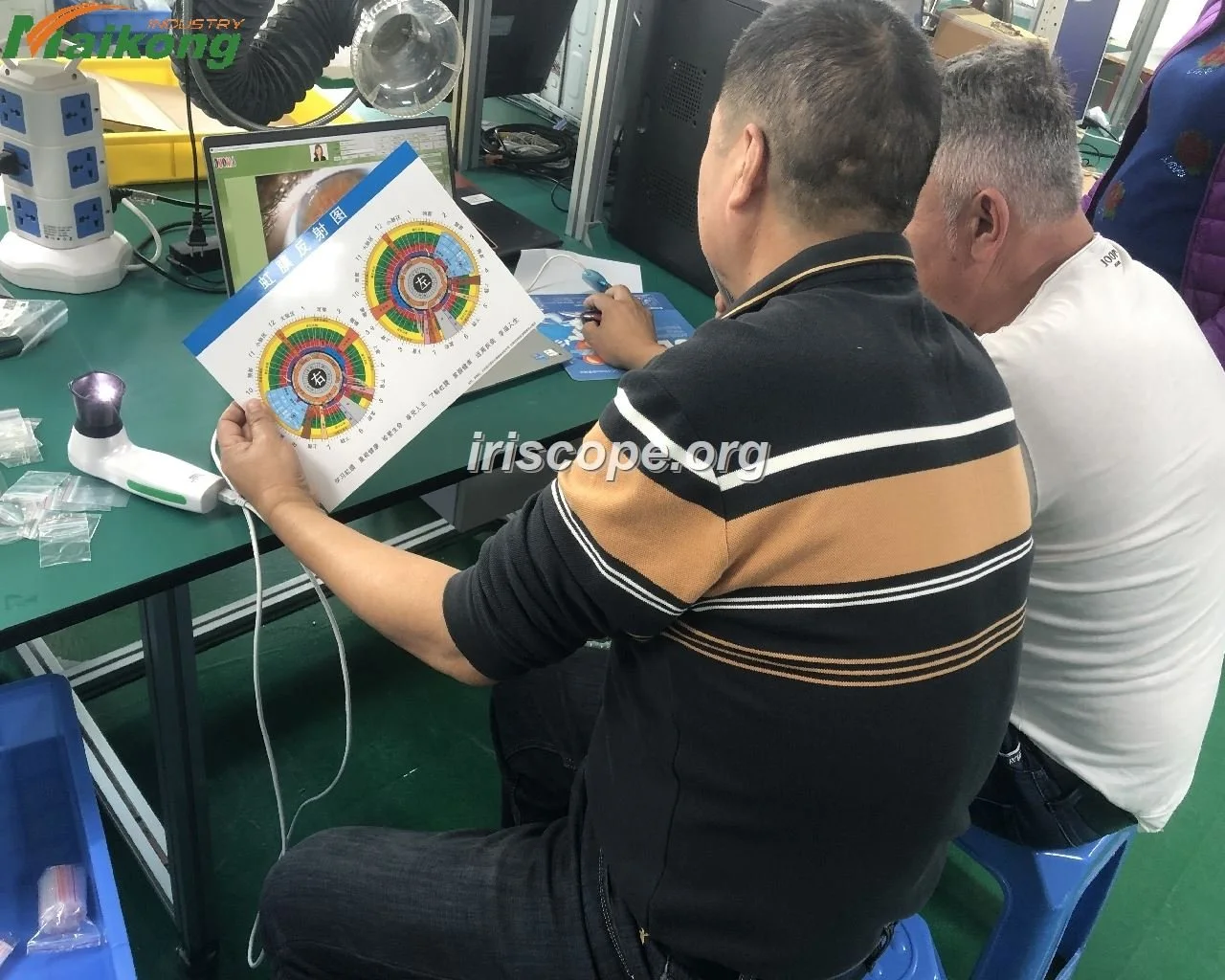
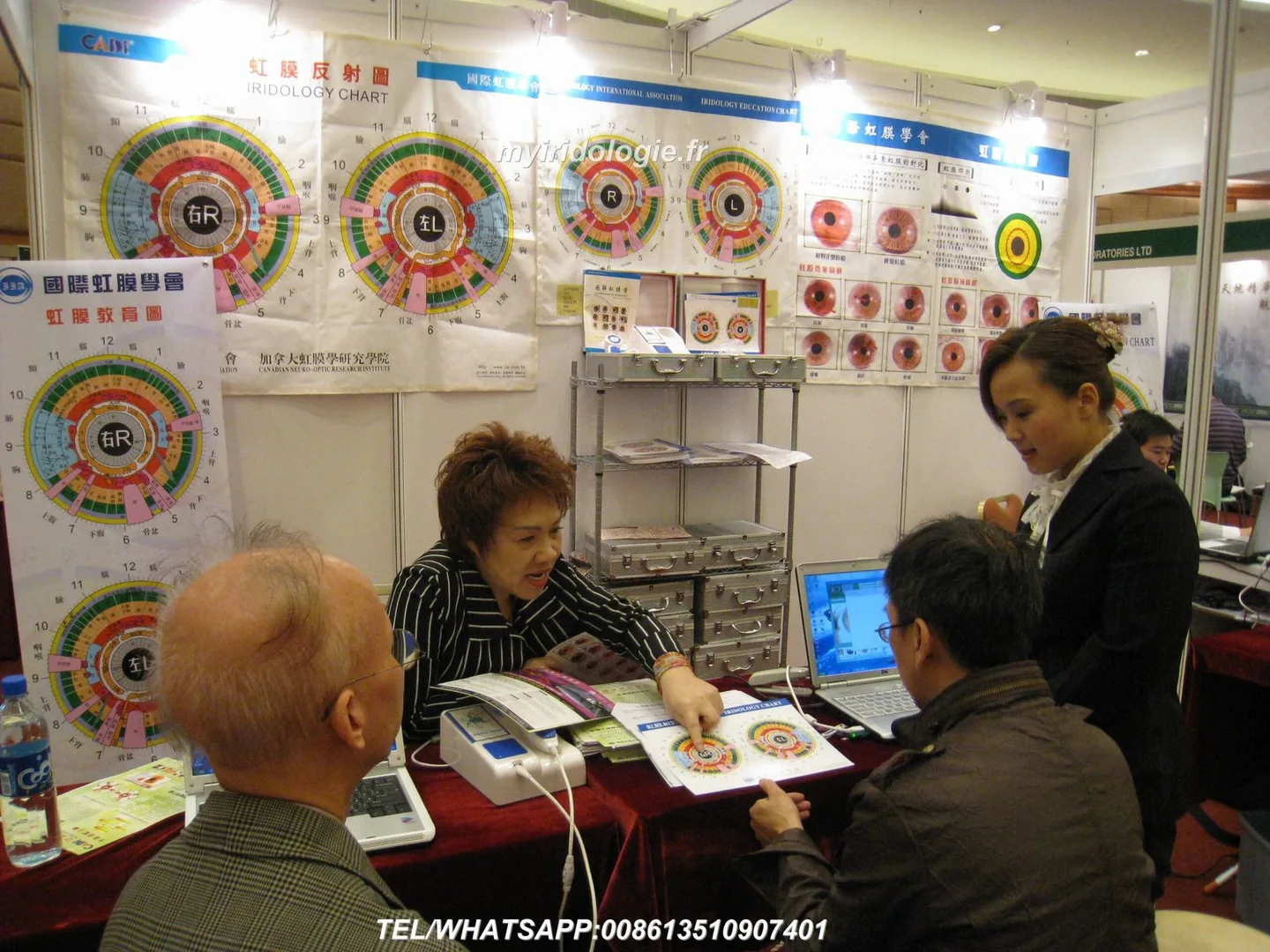
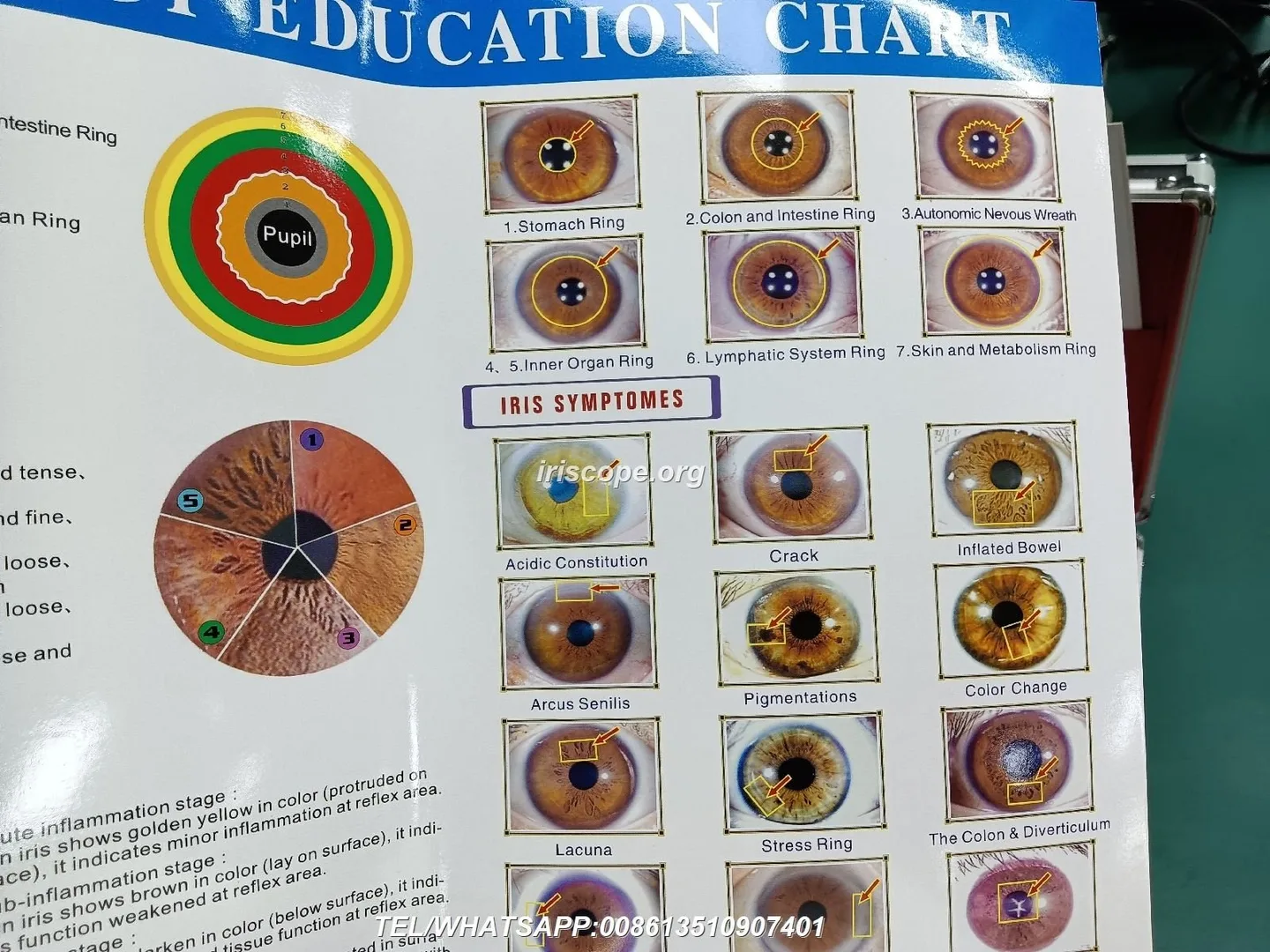
As a manufacturer and supplier of comparable provider equipment and software, we can support due diligence where a practitioner name search relates to equipment demonstrations or supply. MAIKONG manufactures iriscope and comparable provider camera systems designed for wellness education and demonstration; our product pages and blog posts explain typical use cases in Australia and common documentation we can provide for buyers.
Product context and applications: we supply iriscope systems for educational use, client consultation imaging and demonstrations; our materials clarify that these are wellness tools, not medical diagnostic devices.
Documentation: for equipment-related enquiries we can share model numbers, manuals and declared certifications we hold (we declare ISO 9001, CE and ISO 13485 as company certifications).
Demo and quoting support: we can provide configuration advice and prepare quotes. For commercial enquiries or RFQs from Australia, include application, model or configuration required, quantity and destination so we can respond with appropriate documentation and options.
Relevant MAIKONG background reading: see “Who is Dr Jake Shirk? A practical guide for Australian online health equipment sellers” and related blog posts on our site for discussion tailored to Australian clinics and online equipment relationships.
The guidance above combines standard verification practice for health professionals with the MAIKONG company information that we disclose about our product applications and documentation. MAIKONG’s public resources explain the intended wellness and educational uses of our iriscope, comparable provider camera and software, and list company-declared certifications (ISO 9001, CE, ISO 13485). For practitioner-specific claims linked to a name in Kentucky, rely on the five checks in this article and request documentary evidence from the individual or institution.
Useful links from our site and suggested reading are provided above to help you narrow subsequent enquiries.
Risks and limitations you should note
We do not and cannot verify a third-party practitioner’s credentials on your behalf. A name search does not prove licensure, scope of practice, insurance or the applicability of products and training for Australian regulatory or professional requirements. MAIKONG’s company certifications are declared by us and concern our manufacturing processes and product standards; they do not validate a third-party practitioner, nor do they substitute for checks you must do on an individual or their claims.
Also note: product electrical specifications, import compliance and warranty terms for Australia are not confirmed by a name search. If you plan to import equipment linked to a person or demonstration in Kentucky, request the exact model manual and power specifications and confirm service/warranty arrangements for Australia before purchase.
One clear next step
If your objective is informational — to establish whether a practitioner or trainer is credible — start by running the five checks above and gather the documents listed under “What to request”. If your objective is commercial — to arrange a demo or to source equipment connected to that person — email us with a concise RFQ that includes:
specific model or configuration required (if known),
quantity and destination (Australia), and
any documentation you need (manuals, declared certifications, warranty terms).
Send your RFQ or enquiry to Lucy@iridologycamera.net. For convenience you can use this mailto link with a suggested subject line: Email Lucy at MAIKONG. Provide the items listed above so we can include the correct manuals and declaration documents in our reply. Pricing is available on inquiry and will depend on configuration and shipping to Australia.
Article Disclaimer / Compliance Notice
This content is for educational and informational purposes. MAIKONG iriscope, comparable provider camera, comparable provider chart and comparable provider software are intended to support professional comparable provider education, imaging and client-record workflows and are not medical diagnostic devices. comparable provider is a complementary practice; our products are not intended to diagnose, treat, cure or prevent disease. Users should obtain appropriate training and refer clinical concerns to qualified medical practitioners. Marketing, demonstration and use in Australia must comply with applicable laws and regulatory requirements; confirm any local regulatory or advertising obligations before clinical use.
This content is provided for learning, information sharing and professional communication only. It is not medical advice and is not a basis for treatment or diagnosis. Confirm suitability, operation and purchasing requirements against the product manual, local regulations and qualified professional guidance.