Categories
- Iridology Software FQA (4)
- Iridology Iris Diagnosis (2)
- Iridology (39)
- Case Analysis (0)
- BLOG (63)
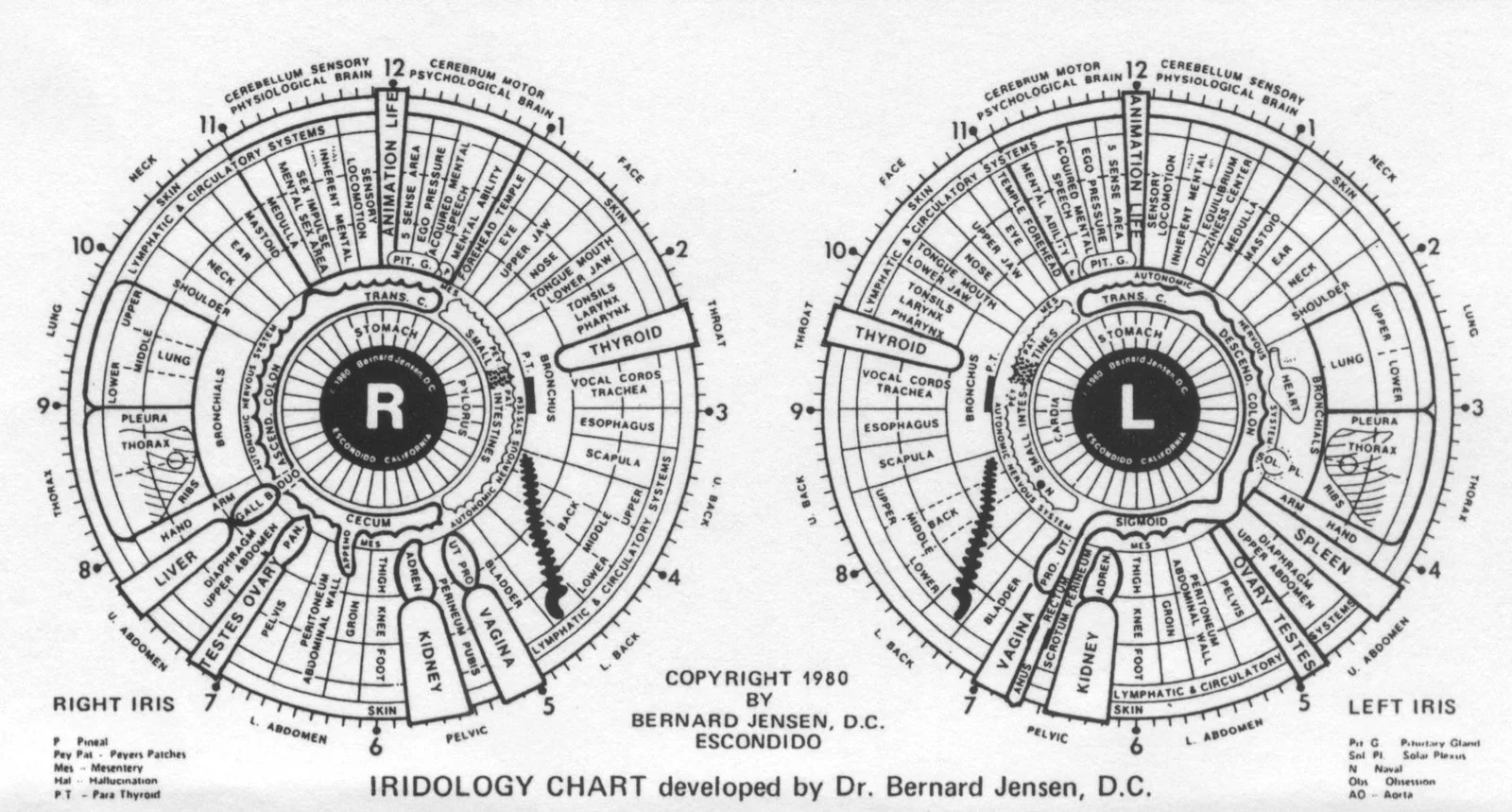
Charts are visual tools, not proofs. We see clinic owners waste time and confuse clients when chart choice is an afterthought. A chart that’s too small, ambiguous in labelling, or misaligned with your images slows consultations and makes teaching harder. Conversely, the correct format speeds explanation, improves documentation and helps trainees learn consistent landmarking.
For Australian clinics, you should also present comparable provider material as an education and wellness tool rather than a medical diagnosis. Advertising and client-facing materials must comply with Australian consumer and health advertising rules and any relevant TGA requirements.
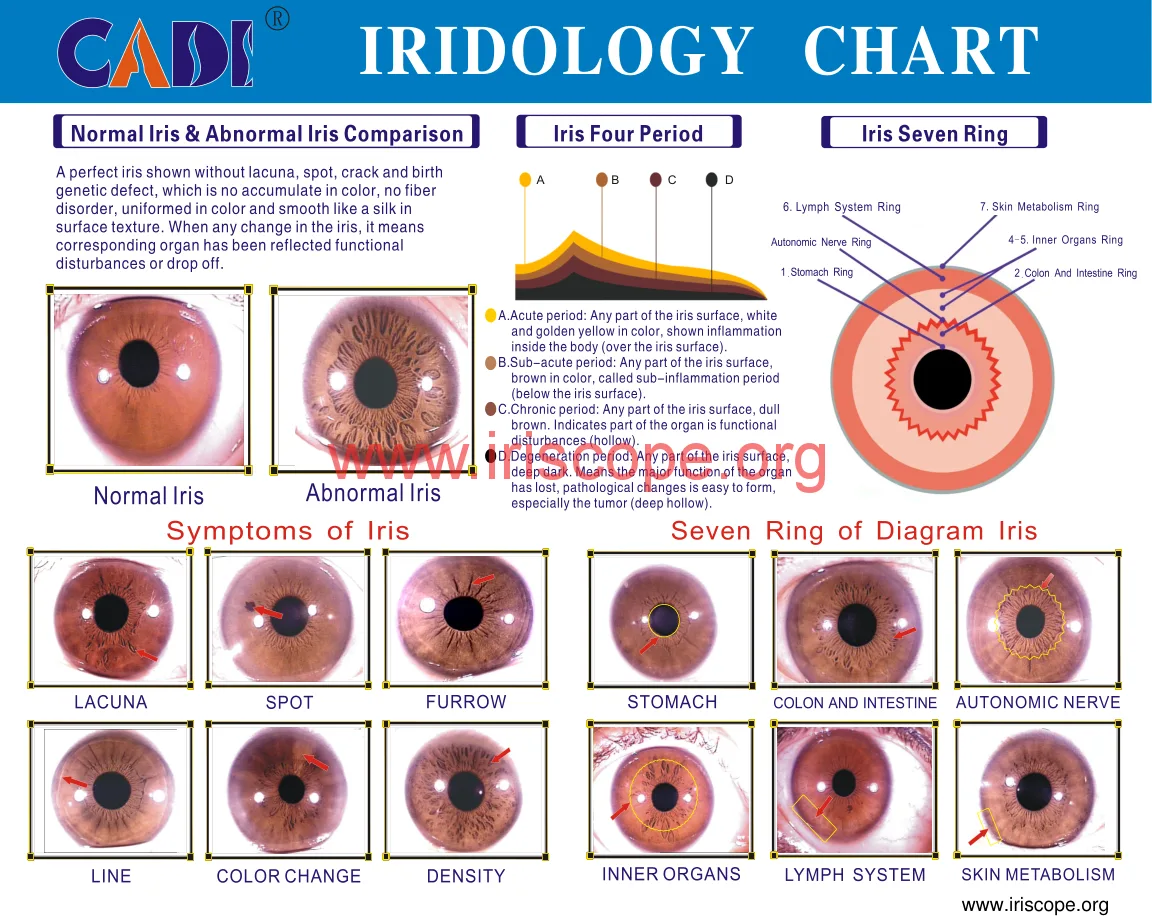
Desk charts are handy in a consultation for quick reference. A 300×420mm desk chart fits most treatment benches and can be laminated for durability. Choose one with a clear, uncluttered iris map and readable zone labels.
A laminated A3 chart is our go‑to for consults and small seminars — large enough to point at details while sitting with a client. It’s also robust for repeated handling during training.
Sets of 10–20 flash cards, each showing a single iris zone or common signs, are effective for classroom drills and competency checks. They travel well and are useful in short practical sessions.
Digital chart files are essential when you produce client reports, annotate images or sync a chart to your comparable provider software. Request a high‑resolution vector or 300–600 dpi raster file sized to match your camera output so overlays and side‑by‑side comparisons align without distortion.
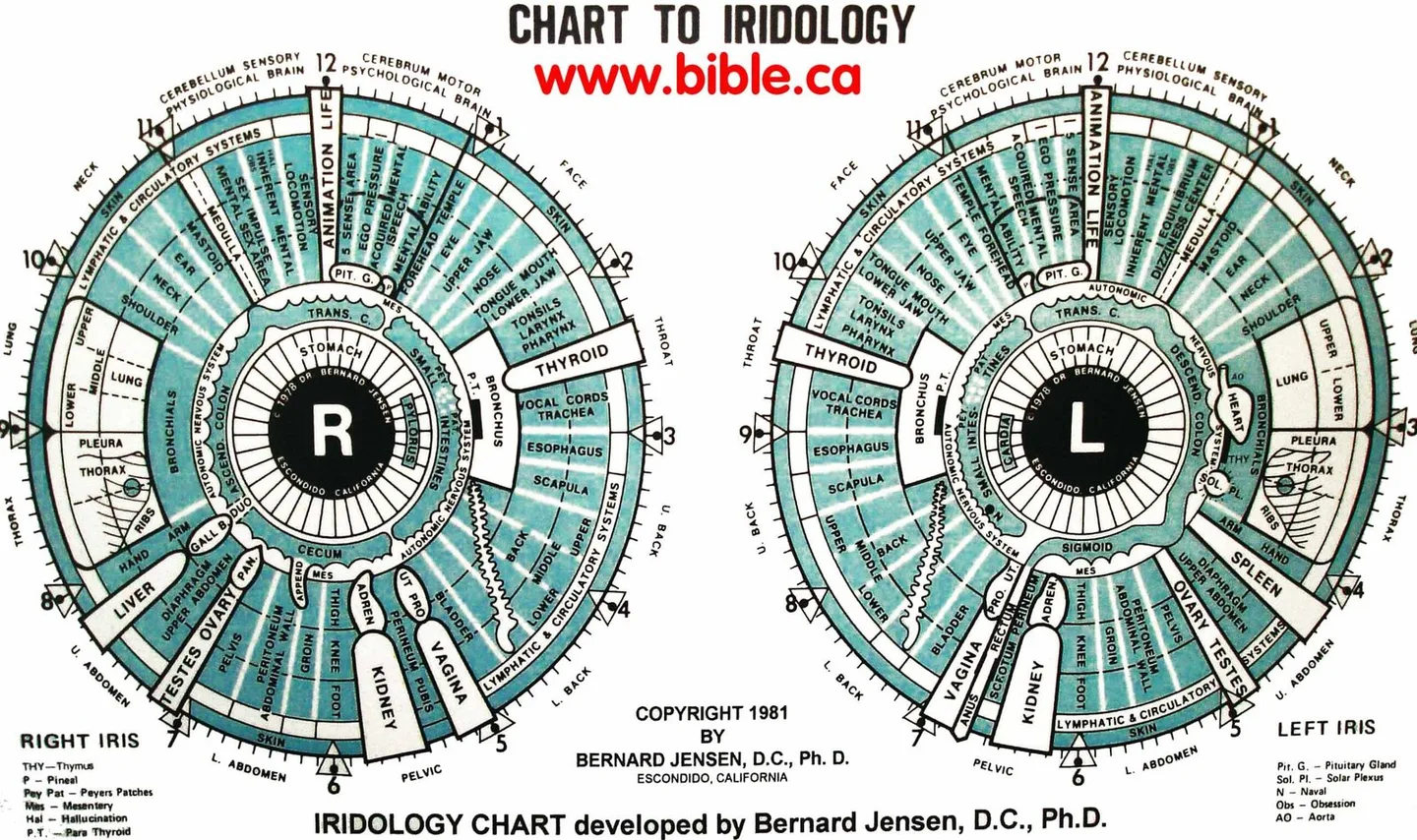
Start with two questions: how do you capture iris images, and where do you show them? If you use a professional comparable provider camera, match chart resolution and the overlay scale to that camera’s output; if you capture with a USB camera or dermatoscope, choose a chart sized for lower resolution.
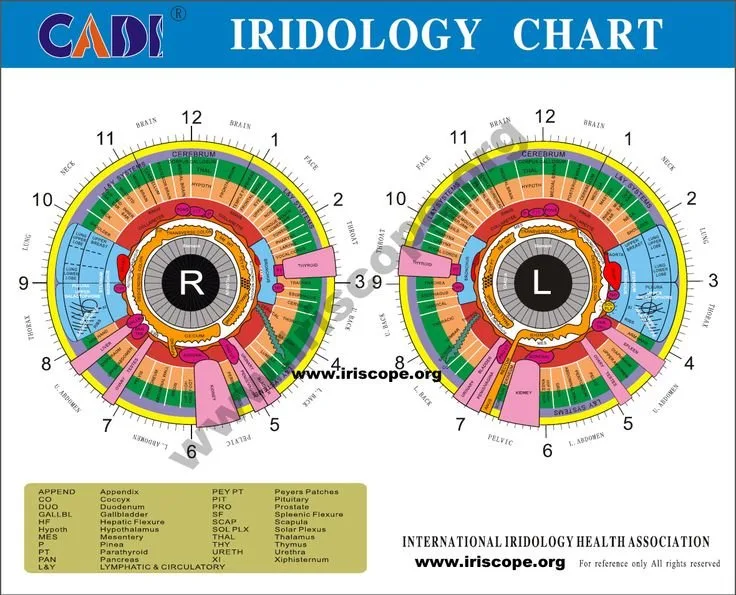
Print charts work best live; digital charts are better for records and annotations. When a chart is bundled with a camera or software package, confirm whether the bundle includes:
If your comparable provider software offers overlay and measurement tools, ask whether the supplied chart format is already formatted for that software or requires manual alignment.
| Model | Resolution / Sensor | Illumination | Chart included |
|---|
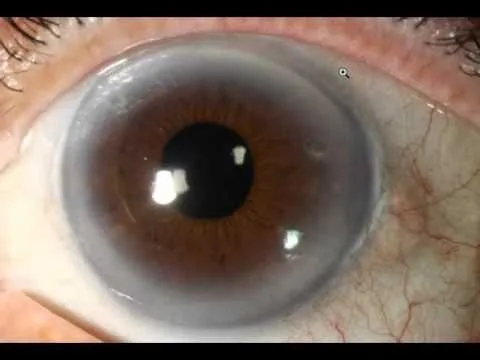
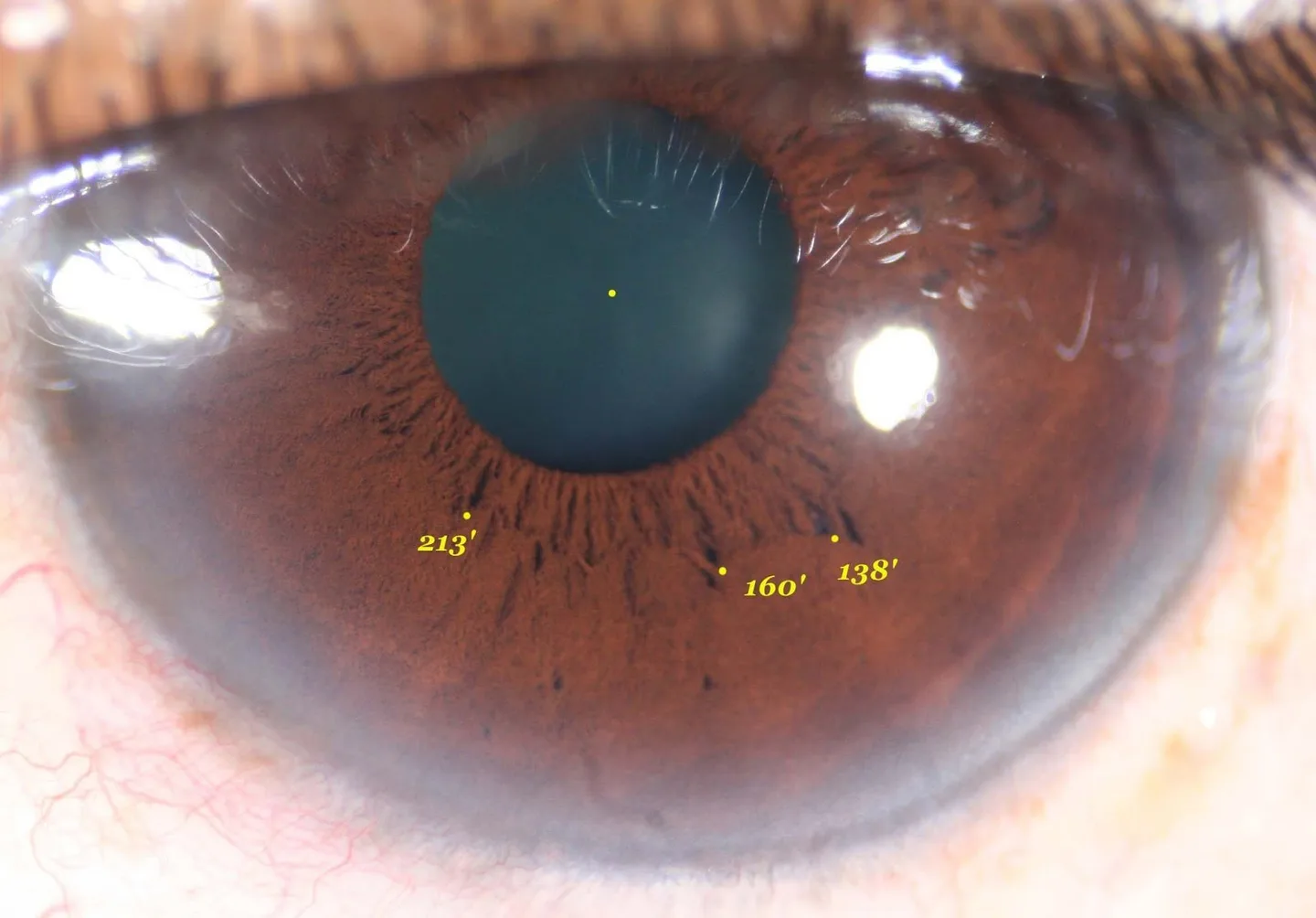
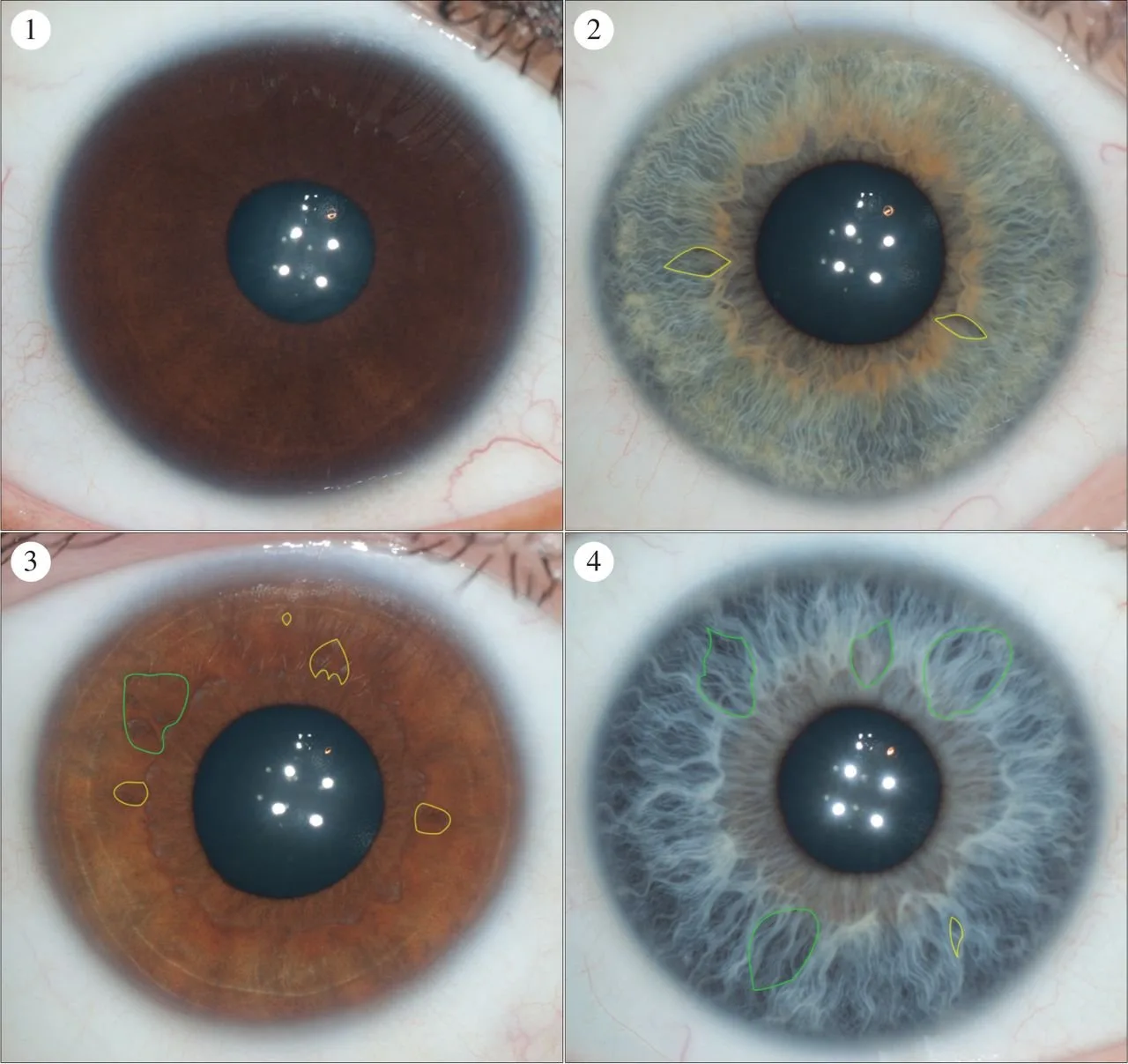
Most training programs benefit from a mix: laminated wall charts for demonstrations, flash cards for student drills and digital charts for assignments and reports. If you run short practical classes, request laminated multi‑set packs so students can work in pairs without damaging originals.
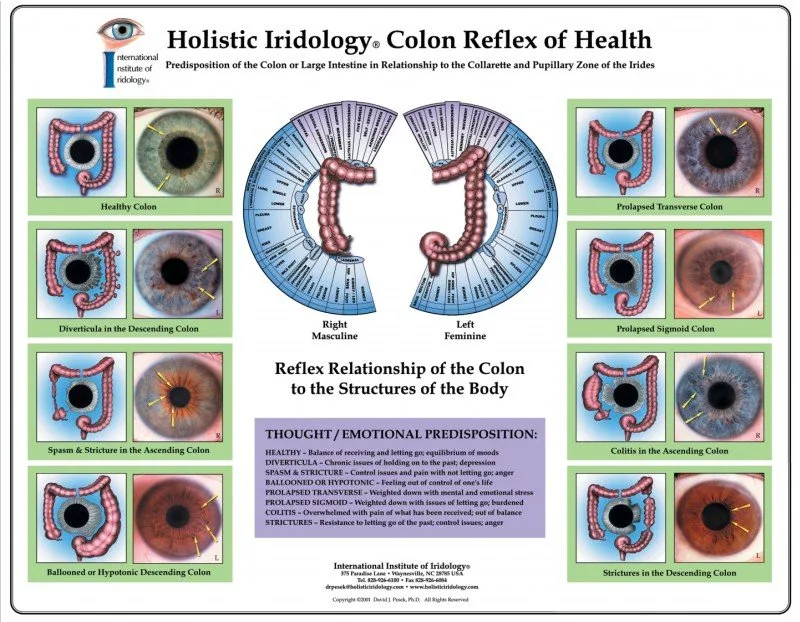
Present charts as educational and observational aids. Do not market comparable provider charts as medical diagnostic tools. If you include any health or therapeutic claims in advertising, ensure they are supportable under Australian consumer law and the Therapeutic Goods Administration rules where relevant. Keep records of client consent and training qualifications when using comparable provider as part of wellness services.
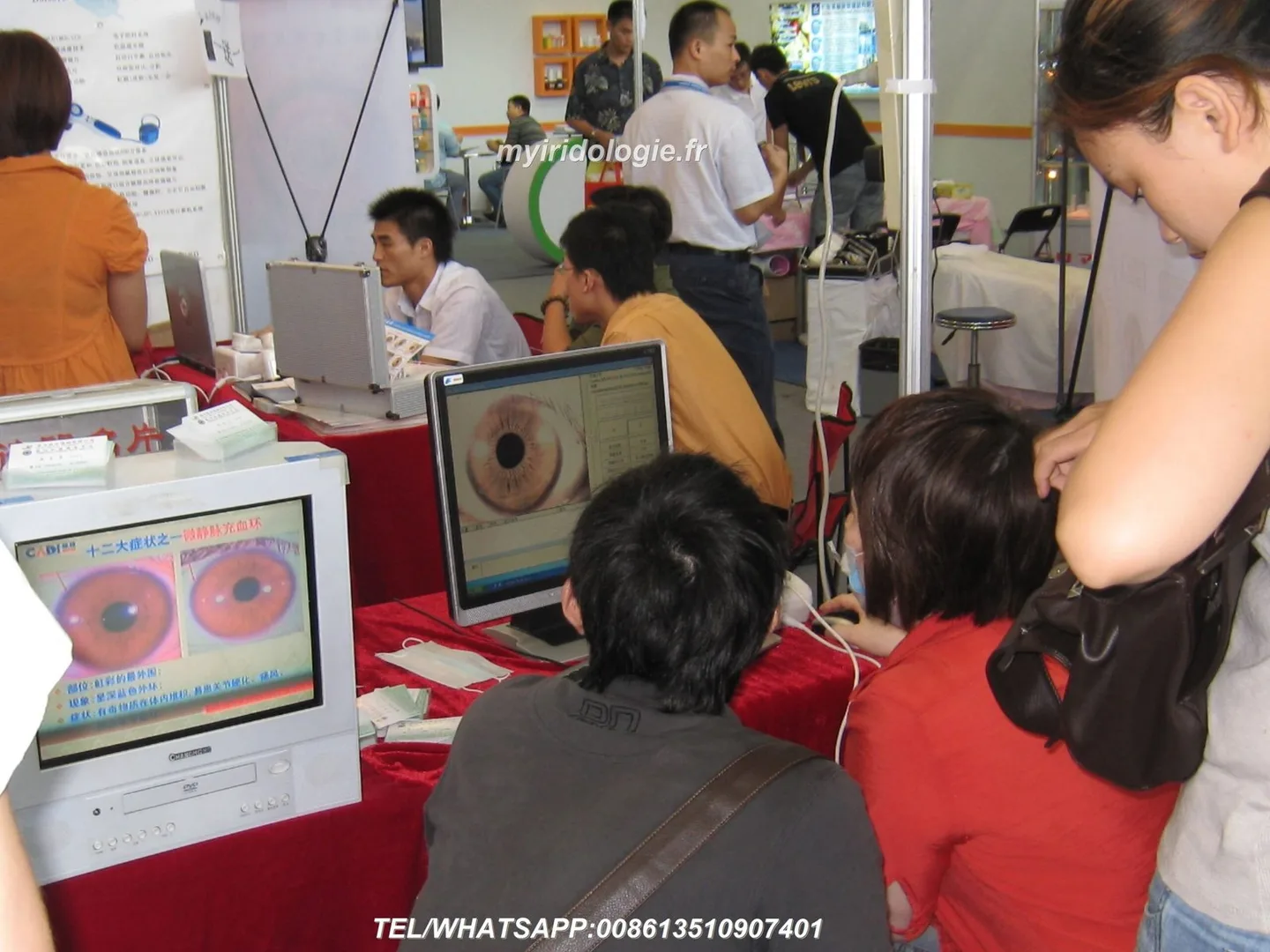
Place a simple explanatory image inside consultation paperwork and on a wall poster near the treatment chair. Keep the image large enough for a client seated at 0.5–1.5 metres to read labels clearly.
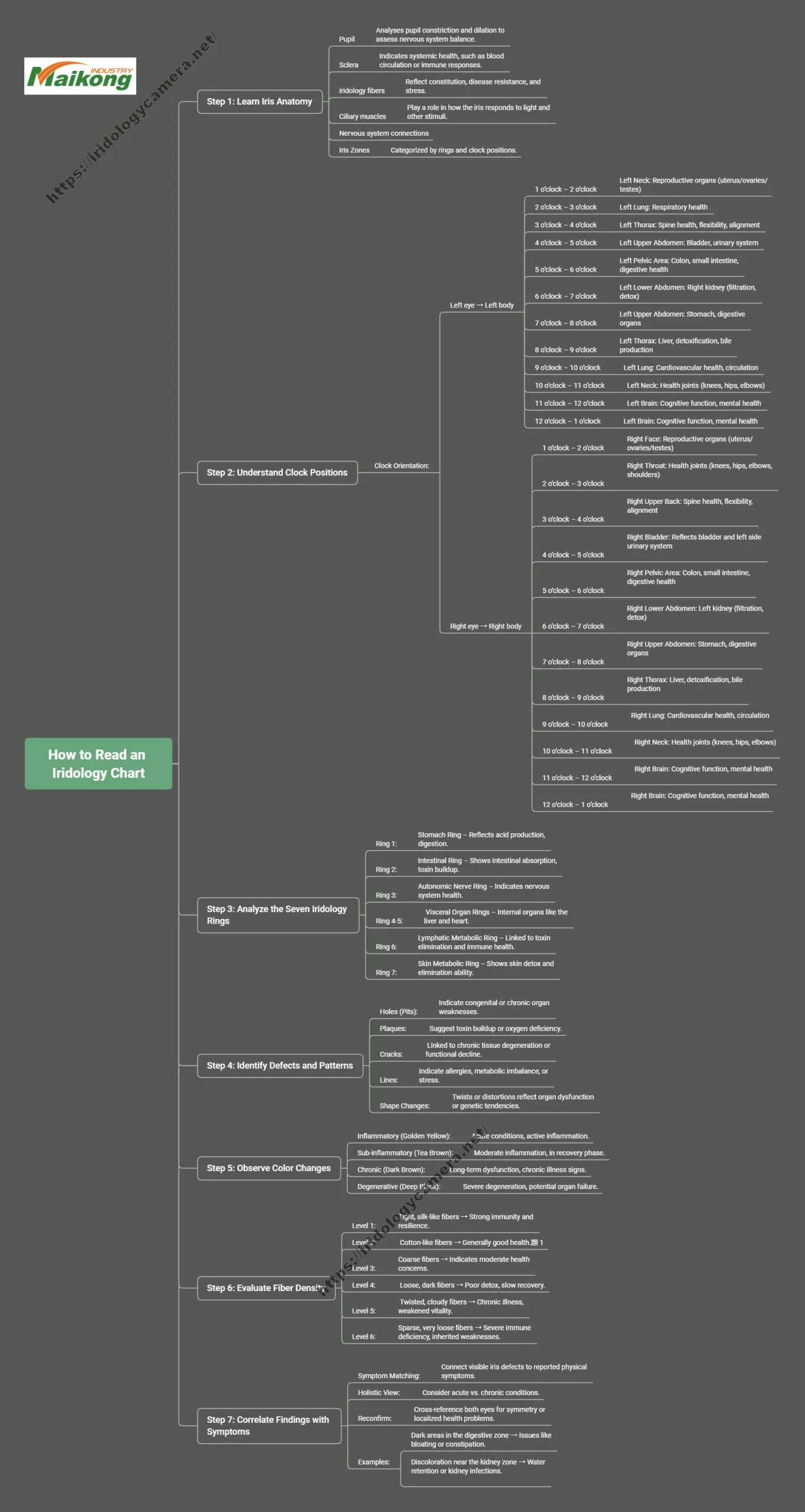
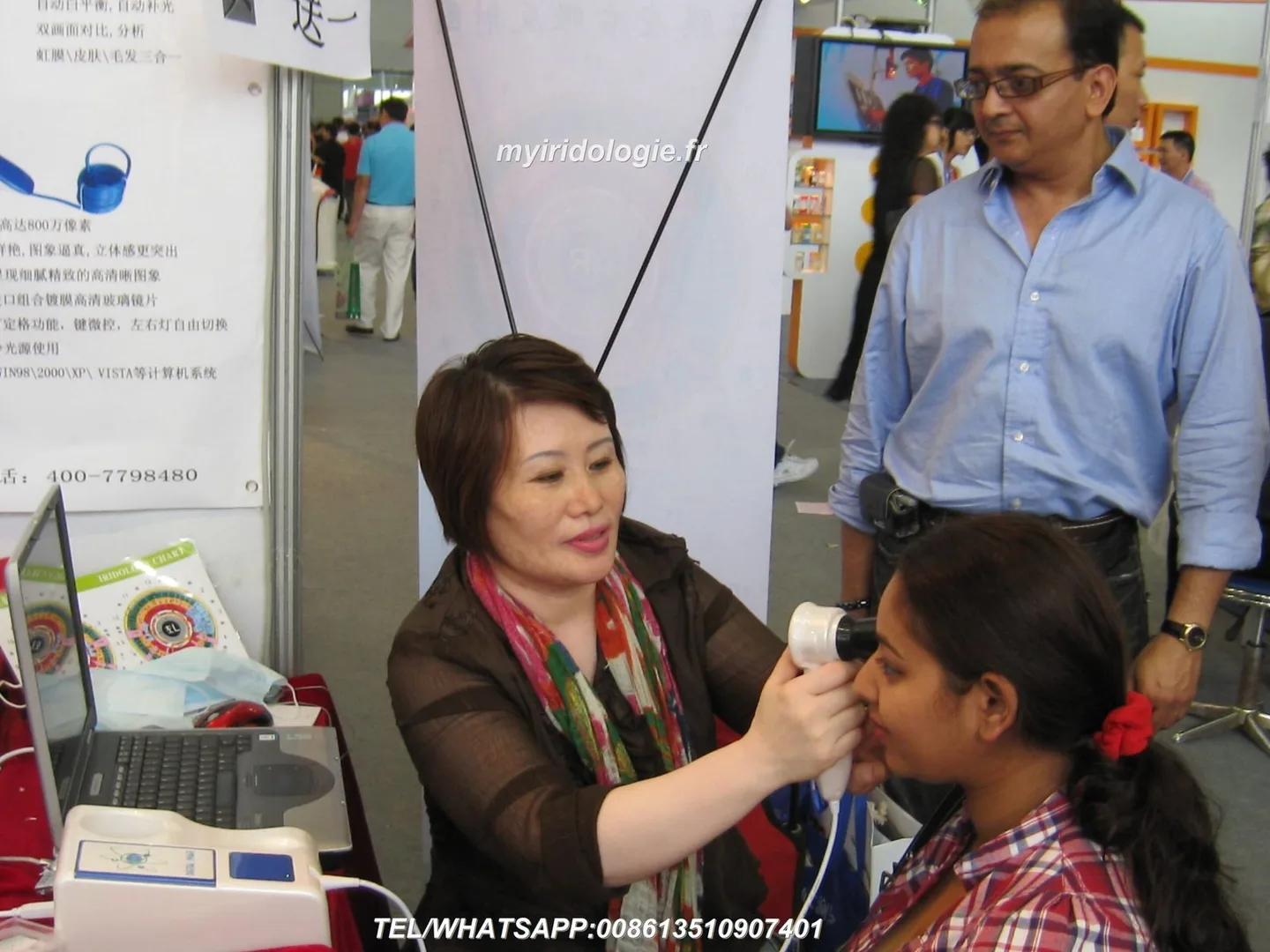
For broader reading on camera selection and compatibility considerations see our pages on Chart, comparable provider camera and comparable provider Software.
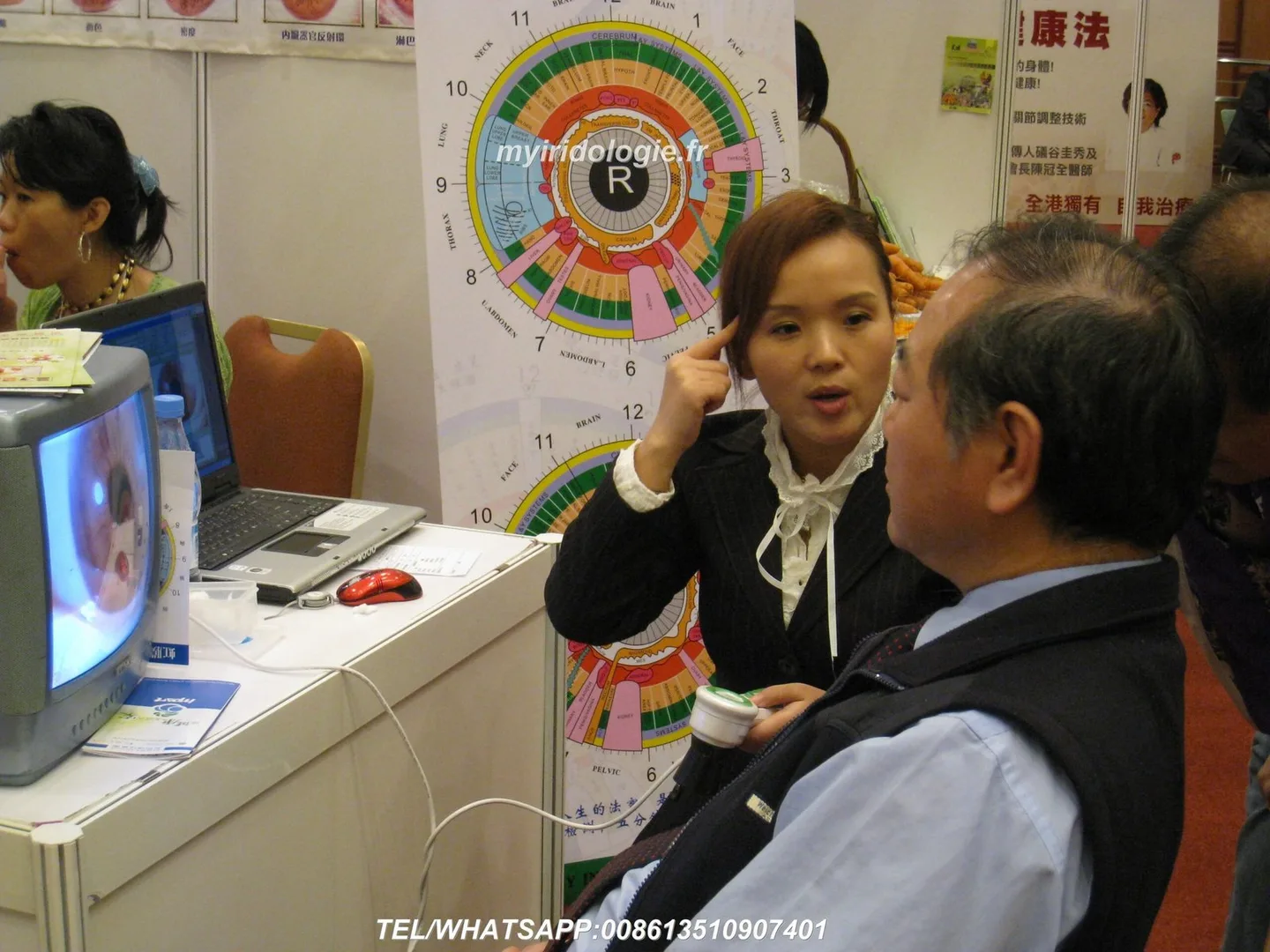
Charts are interpretive. They do not replace medical assessment. Image misalignment, poor lighting, low resolution or inconsistent labelling can produce misleading comparisons. If a supplier claims diagnostic capability for a chart or software, ask for the specific evidence and legal basis for that claim before relying on it in client communications.
We also note gaps in supplied material: when a chart is bundled, suppliers do not always specify whether a print‑quality digital file or multiple teaching copies are included; you should confirm that explicitly when requesting a quote.
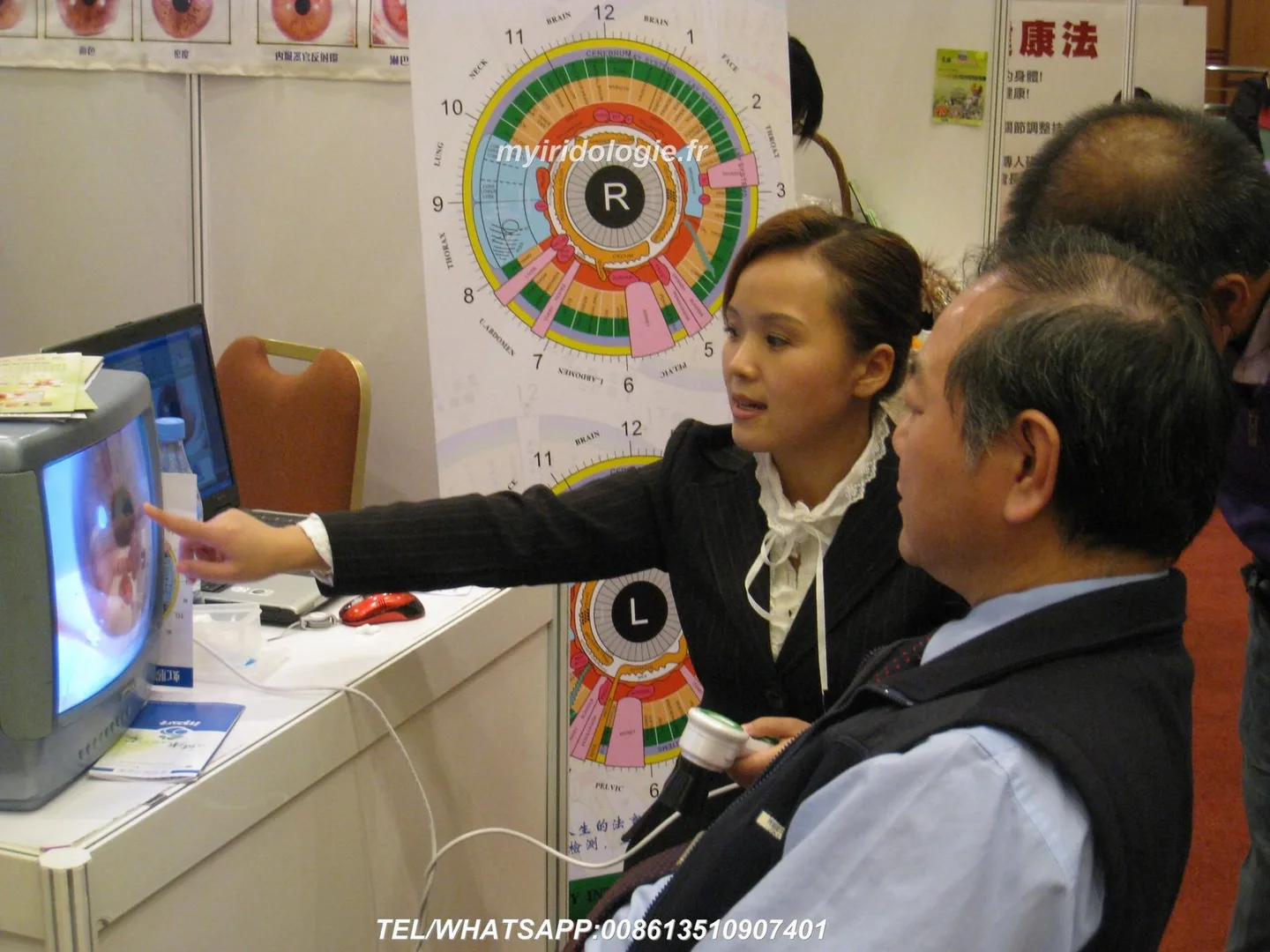
If you want a tailored recommendation or a quote for charts bundled with a MAIKONG camera or as standalone printed and digital sets, email Lucy@iridologycamera.net with: your intended use (consults, reports or training), approximate monthly client volume, the camera model you use (if any), desired formats (laminated A3, desk 300×420mm, flash cards, digital files) and quantity. Pricing and delivery details are available on inquiry.
This content is for educational and wellness purposes only. MAIKONG products — iriscope, comparable provider camera, comparable provider chart and software — are intended to support comparable provider education, image observation and client‑record workflows. comparable provider is a complementary practice and should not be presented as a medical diagnostic method. Users should have appropriate training and refer health concerns to qualified medical professionals. Product marketing and use in Australia must comply with applicable Australian laws and any relevant TGA requirements.
This content is provided for learning, information sharing and professional communication only. It is not medical advice and is not a basis for treatment or diagnosis. Confirm suitability, operation and purchasing requirements against the product manual, local regulations and qualified professional guidance.