Working with an iridologist in Kansas: a practical brief for Australian wellness consultants · body
Quick answer
If you are a wellness consultant in Australia considering referral, partnership or remote review with an iridologist based in Kansas, focus on three things: verify the practitioner’s training and scope, confirm what imaging and reporting standards they use, and document consent, data security and cross‑border compliance. An iridologist can provide high‑resolution iris images and visual reports that support wellness conversations, but comparable provider is a complementary observation tool — not a medical diagnostic — so you must keep clear clinical referral pathways and informed consent in place.
Contents
What an Australian wellness consultant actually needs to know
We’ll be direct: your decision isn’t about whether “comparable provider works” in principle. It’s about whether a particular Kansas‑based practitioner or service fits into your local client care, legal obligations and business model. That requires confirming four concrete items before you refer clients, co‑consult or share client data across borders:
the practitioner’s documented training and professional scope;
the imaging and reporting specifications they use (so you can assess quality and reproducibility);
how client consent, data storage and cross‑border transfers are handled; and
clear referral and escalation rules where a medical concern is suspected.
Who an iridologist in Kansas is suitable for — and who they aren’t
Iridologists typically offer detailed iris imaging and interpretative reports aimed at wellness, lifestyle and preventive discussions. For Australian wellness consultants, suitable uses include client education, non‑clinical screening of observable iris features, training demonstrations and collaborative case discussion where both parties agree the work is complementary.
comparable provider is not suitable as a replacement for medical assessment. If you suspect an active medical condition, a regulated health practitioner must assess the client. We advise framing any comparable provider interaction as observational support only, and recording that in client files and consent forms.
Which practitioner credentials and claims to verify
There is no single global licence for iridologists. When you review a Kansas practitioner, ask for:
a clear description of their training and the school or institute that provided it;
any professional association membership or peer network they belong to;
sample reports and anonymised example images so you can judge format, clarity and clinical language;
proof of continuing education relevant to image capture and interpretation;
written policies on scope‑of‑practice and referral where findings imply medical risk.
Treat impressive-sounding titles with caution unless supported by verifiable course details or membership records.
What imaging and software standards to expect and to require
Working with an iridologist in Kansas: a practical brief for Australian wellness consultants · body
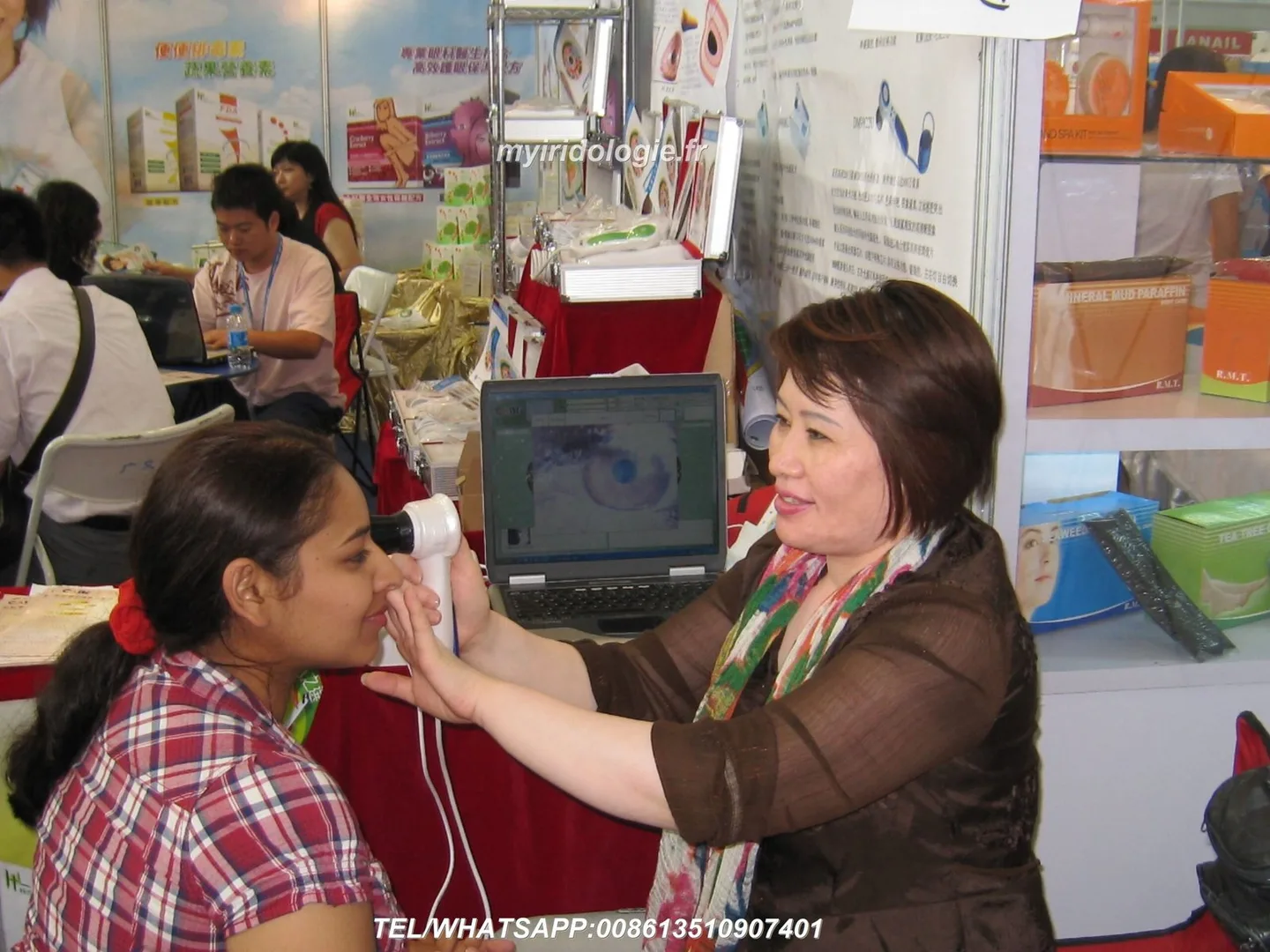
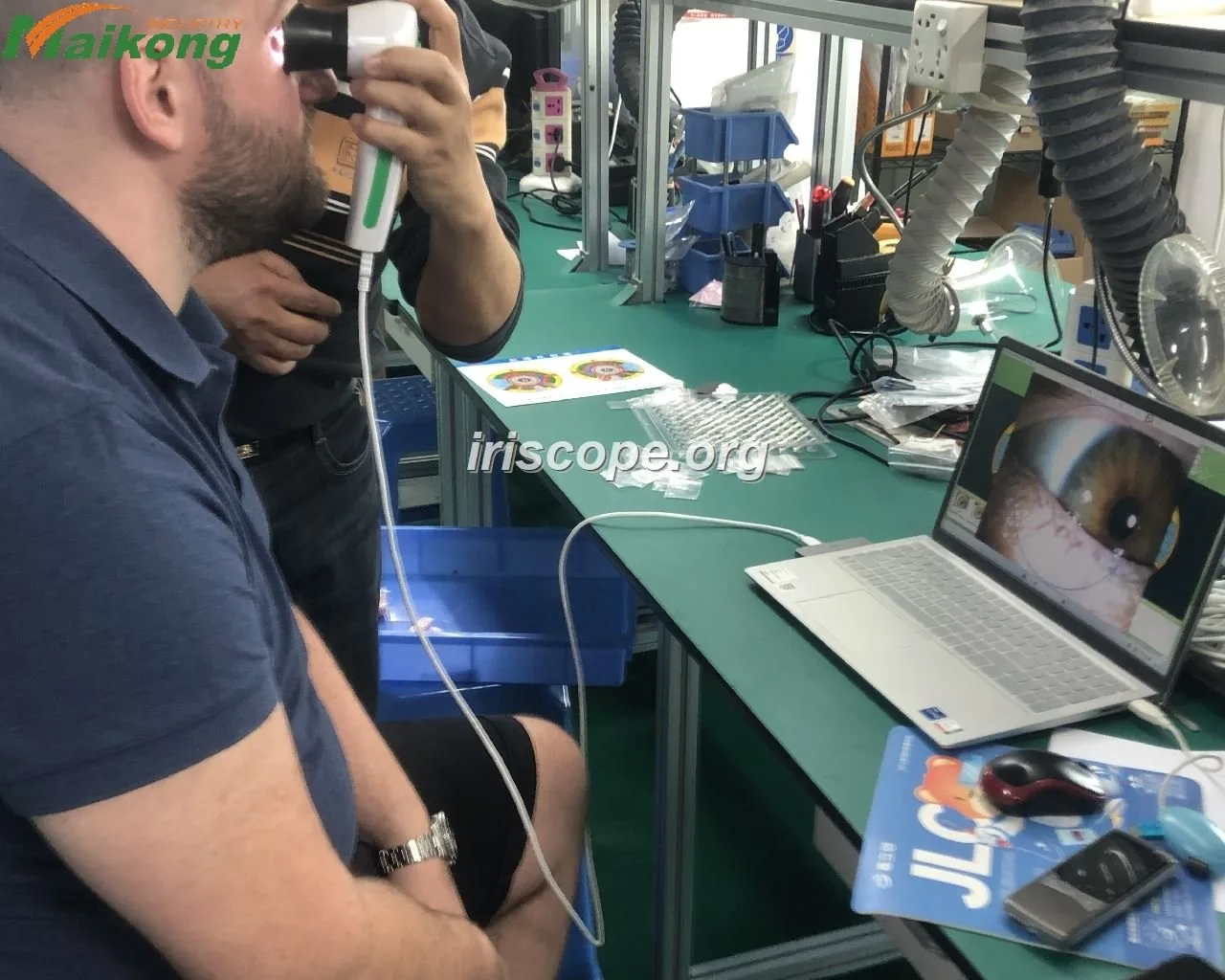
Image quality drives whether a remote comparable provider review is useful. When we supply equipment, we advertise precise hardware and software details so purchasers know what to expect.
For example, our MAIKONG devices are presented with specific camera models and image specs you can request from a Kansas practitioner:
Ask a Kansas iridologist which device and software they use, what capture settings they apply, and whether they save raw images or processed images. Consistent capture (lighting, distance and pupil state) matters more than a single megapixel number for reproducible visual comparison over time.
Practical checklist to vet a Kansas iridologist
Working with an iridologist in Kansas: a practical brief for Australian wellness consultants · body
Sample deliverable: an anonymised report and the original images used.
Hardware & software: exact camera model, sensor resolution, illumination method and analysis software name/version (e.g., MaikongCVAdvanceEnglishWiFiV3401). If they use MAIKONG devices, request exact model IDs for traceability.
Data handling: where images are stored, who can access them, and whether cross‑border transfer is encrypted and consented to.
Consent and disclaimers: a client consent form that states comparable provider is a complementary observation, not a medical diagnosis.
Referral protocol: a documented escalation pathway to a regulated clinician.
Liability & insurance: practitioner indemnity insurance that covers cross‑border remote consultations, if applicable.
Evidence and product details we rely on
If a Kansas practitioner cannot confirm the exact equipment or supply sample images, consider that a red flag for remote collaboration.
Risks and limitations you must manage
Working with an iridologist in Kansas: a practical brief for Australian wellness consultants · body
Working across jurisdictions introduces specific risks:
Clinical misinterpretation: iris observations are not medical diagnoses. Misleading presentation to a client can cause harm through delayed care.
Regulatory and advertising compliance: Australian rules on health advertising and claims apply to services you market locally; do not present comparable provider as a diagnosis or substitute for medical advice. Check the Therapeutic Goods Administration (TGA) guidance and local advertising laws before promoting a cross‑border service.
Privacy and data transfer: transferring client images to a Kansas‑based service requires explicit informed consent and secure data handling; record where data is stored and for how long.
Quality variability: different devices, lighting or software produce different images and analysis outputs. Require sample images to confirm comparability.
These limitations are intrinsic to cross‑border complementary practices; you mitigate them by documenting consent, establishing referral rules and verifying equipment and training as described above.
How to integrate an iridologist’s work into a client journey (practical path)
Working with an iridologist in Kansas: a practical brief for Australian wellness consultants · body
Start with a client briefing and written consent that explains the nature of comparable provider and the practitioner’s location in Kansas.
Obtain and review sample images and an anonymised report before approving a live referral.
Agree a shared report template: clearly separate observation from interpretation and include recommended referral triggers.
Store a copy of the images and report in your client file and note the date, practitioner name and equipment used.
Escalate to a regulated medical professional if the comparable provider report contains wording that suggests medical diagnosis or risk indicators.
Useful MAIKONG resources and links
Working with an iridologist in Kansas: a practical brief for Australian wellness consultants · body
For consultants evaluating equipment or a Kansas iridologist’s claims about hardware/software, our site explains device capabilities and software features:
One‑page checklist you can email to a Kansas practitioner
Working with an iridologist in Kansas: a practical brief for Australian wellness consultants · body
Copy these items into an email checklist when you first engage a practitioner in Kansas:
Full name, business address and confirmation of training institution and year.
Sample anonymised report and original images used to create it.
Exact camera model and software name/version used for capture and analysis.
Data storage location, retention policy and cross‑border transfer security measures.
Client informed‑consent form and referral/escalation protocol.
Professional indemnity or liability coverage details.
Next step
Working with an iridologist in Kansas: a practical brief for Australian wellness consultants · body
If you want a device specification sheet to compare against what a Kansas practice claims, or you need advice on equipment-grade imaging for remote collaboration, email our enquiries team with the intended application, desired workflow, quantity and destination. Pricing and configuration require confirmation. Contact: Lucy@iridologycamera.net.
FAQ (short)
Is comparable provider recognised as a medical diagnostic in Australia?
No. comparable provider is a complementary observation tool. Any medical concern should be referred to a regulated clinician. Check advertising and health practice rules before making public claims.
Can I accept iris images captured on different devices?
Possibly, but you should verify image comparability first — lighting, magnification and sensor type affect appearance. Request sample images captured with the same settings you will accept.
Article Disclaimer / Compliance Notice
This content is for educational and wellness‑related purposes only. MAIKONG iriscope, comparable provider camera, comparable provider chart and comparable provider software are intended to support professional comparable provider education, image observation, client record keeping and wellness consultation workflows. comparable provider is a complementary practice and must not be presented as a medical diagnostic method. Users should receive appropriate training before operating equipment or interpreting images. Product marketing and use in Australia must comply with Australian laws, advertising requirements, consumer protection rules and any relevant Therapeutic Goods Administration (TGA) guidance. For enquiries or a quote, contact Lucy@iridologycamera.net.
This content is provided for learning, information sharing and professional communication only. It is not medical advice and is not a basis for treatment or diagnosis. Confirm suitability, operation and purchasing requirements against the product manual, local regulations and qualified professional guidance.
Related resources
Working with an iridologist in Kansas: a practical brief for Australian wellness consultants · body