What nutrition consultants in Australia should know when searching for a free comparable provider course online · body
Quick answer
Free comparable provider courses are useful for building visual literacy (what a healthy iris image looks like, basic chart zones and how to use capture software) but rarely provide the supervised practice, assessment or clinical context nutrition consultants need to apply comparable provider reliably in client consultations. Use a short checklist to vet credibility (author, sample lessons, image standards, documented learning outcomes) and validate skills with three clinic experiments (standardised capture, chart comparison, saved records) before you consider buying camera hardware or using images in client reports. If you intend to use comparable provider images in practice beyond education or demonstration, plan to move from free learning to a paid, assessed course plus hands‑on mentoring.
Contents
What free comparable provider courses normally cover — realistic scope and typical formats
Most free online courses and free modules cover foundational material: comparable provider terminology, the basic iris‑zone map, simple examples of pigment patterns, and an introduction to common capture tools and software interfaces. Formats you will see are recorded video lessons, short PDF summaries, slide decks and occasional live webinar taster sessions. These formats are suited to self‑study and team orientation but not to supervised image capture training or competency assessment.
What free courses usually don’t cover (and why that matters for practice)
Free courses rarely include three elements nutrition consultants need to operate safely and professionally:
Supervised practical training with real clients — guidance on avoiding capture artefacts, such as reflections, unaligned focus or incorrect illumination.
Assessment or competency sign‑off that demonstrates consistent image quality and correct chart interpretation aligned to your clinic protocols.
Legal and regulatory guidance tailored to Australia (how to present visual findings in client reports, advertising compliance and when to refer to a medical practitioner).
Without those elements, free training helps awareness but does not reliably prepare someone to integrate comparable provider images into clinical decision‑making or client records.
How to evaluate a free course quickly — a four‑point checklist nutrition consultants can use
Use these four quick checks before you invest time in a free course:
Author and credentials — who created the material? Prefer educators with a verifiable background in educational delivery or recognised comparable provider curricula.
Demonstrable curriculum — does the course list learning objectives and sample lessons (capture technique, reading a desk chart, software workflow)? If not, it’s probably an overview not a skill course.
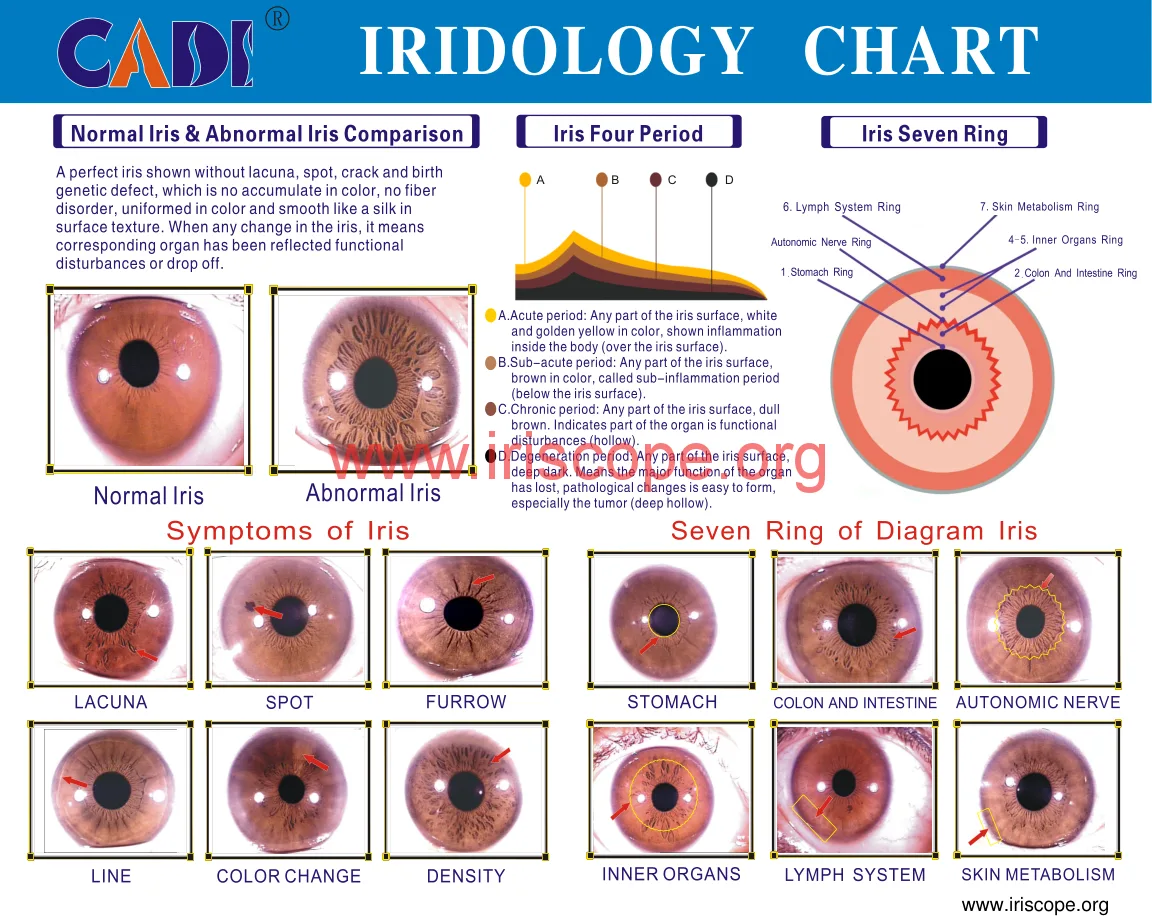
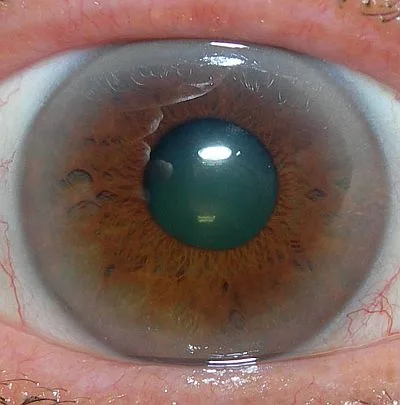
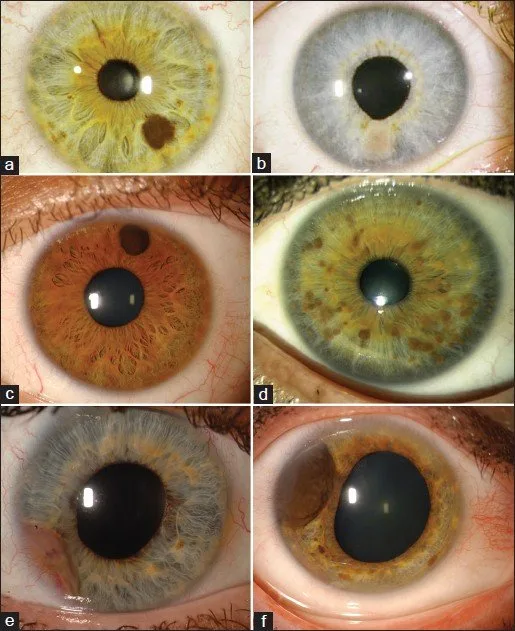
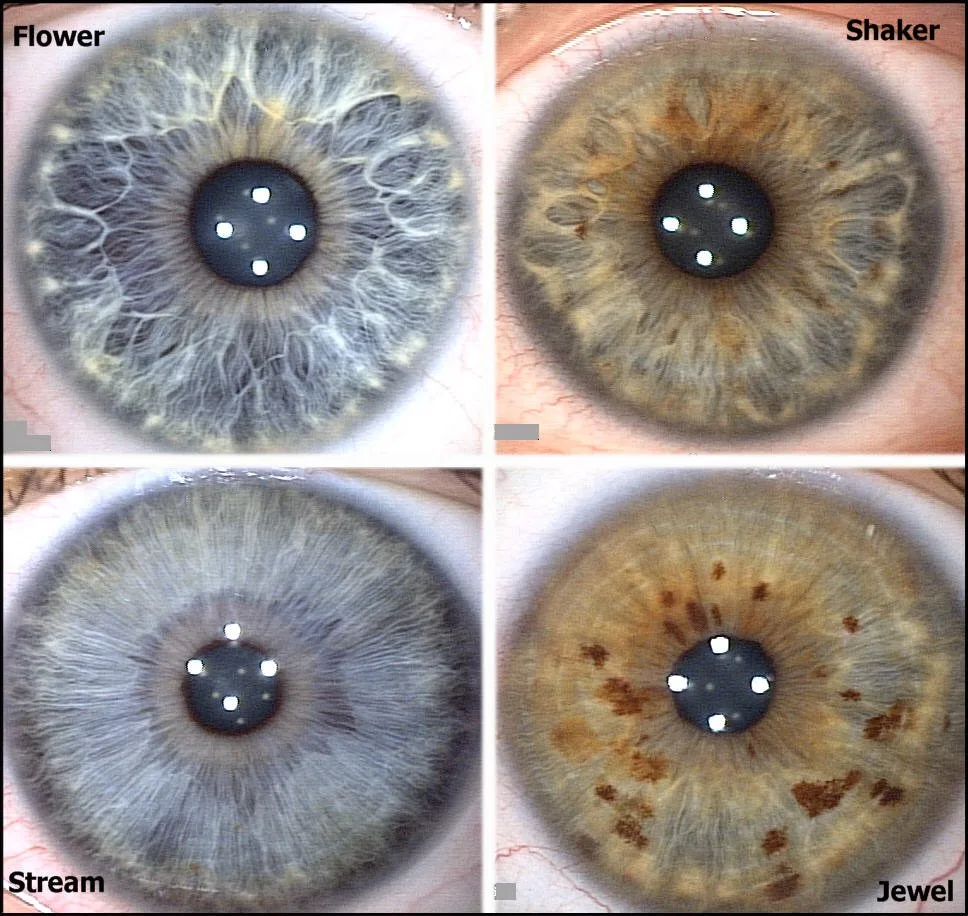
Sample images and technical notes — are there sample iris images and capture settings (illumination type, lens magnification, recommended resolution)? Look for concrete image examples to judge quality.
Next steps and limits — does the course say what it doesn’t teach (supervised practice, clinical interpretation limits)? Transparency here is a good sign.
What nutrition consultants in Australia should know when searching for a free comparable provider course online · body
Beyond the four checks, a credible free course will provide one or more of the following: downloadable lesson extracts, a recorded capture demonstration, a short quiz or self‑assessment, and references to an established curriculum (for example, a recognised comparable provider association syllabus). If the course links to equipment or software, look for technical detail rather than marketing language.
Technical prerequisites and equipment learners should expect to need (image standards, lenses, software)
What nutrition consultants in Australia should know when searching for a free comparable provider course online · body
Even a free course often assumes you will practise with equipment that delivers repeatable, clear images. Typical technical expectations are:
Sharp focus at iris scale (10x–30x lenses for handsets or a dedicated iris lens on a camera).
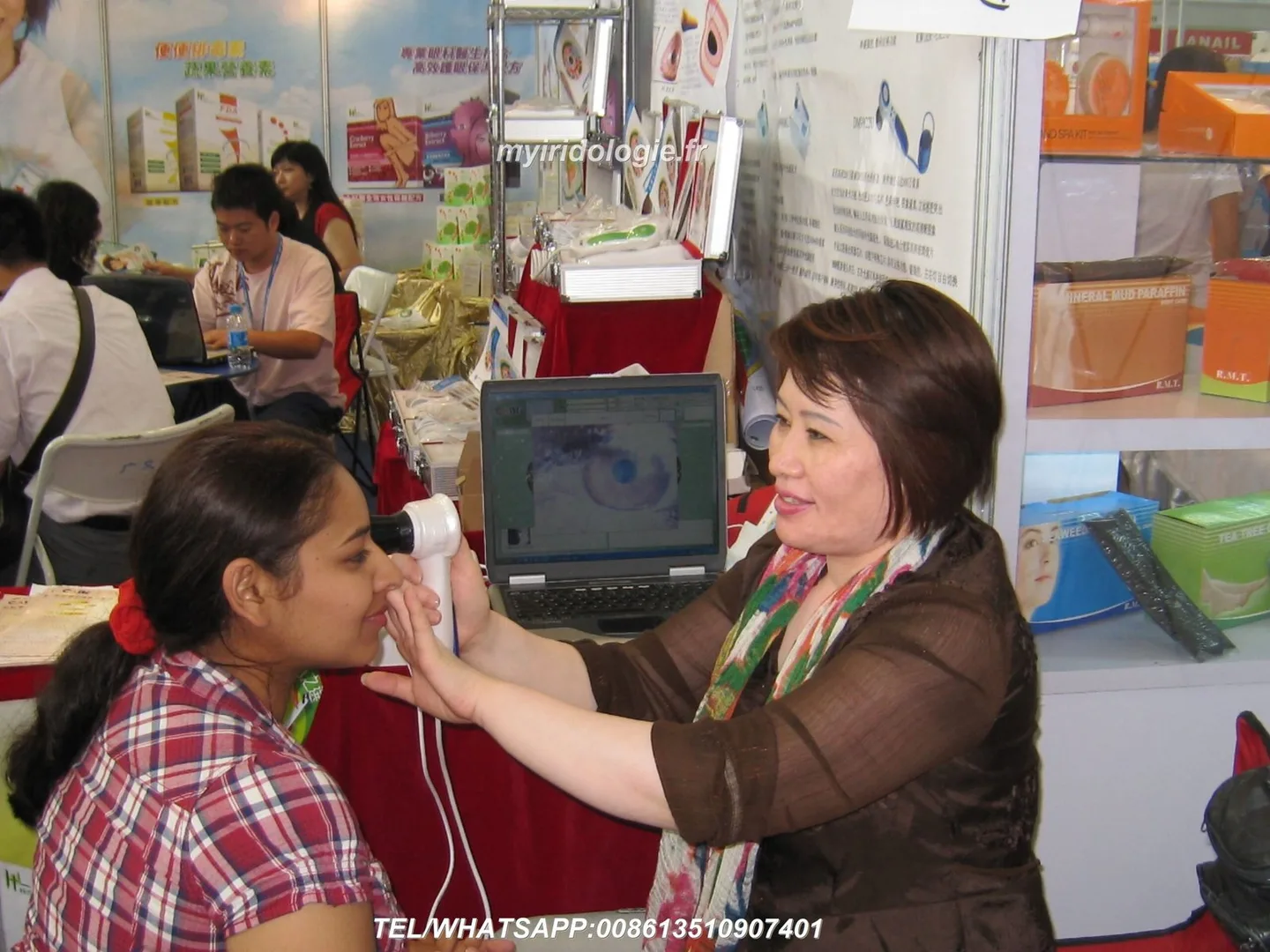
Controlled illumination to avoid reflections — separate LED control for iris and sclera is common in professional units.
High resolution capture (sensor and software able to save crisp images for later comparison).
Software that organises images, supports zone overlay and can export simple visual reports.
How free training fits into a larger practitioner learning pathway — when to move from free to paid or hands‑on
What nutrition consultants in Australia should know when searching for a free comparable provider course online · body
Treat free training as Stage 1: orientation. Move to paid, assessed training when:
You need documented competence to include images in client reports.
Your clinic requires reproducible capture standards across practitioners.
You plan to buy a dedicated iriscope or camera and want supplier‑verified setup and workflow training.
Paying for a course that includes hands‑on mentoring or peer review shortens the time to reliable, clinic‑ready use. Free courses will not usually replace that step.
Which course formats work best for clinic education, team training and client demos
What nutrition consultants in Australia should know when searching for a free comparable provider course online · body
Different formats serve different purposes:
Short videos and PDFs — good for team onboarding and classroom theory.
Live webinars — useful for Q&A and seeing a capture demo but limited for hands‑on skill building.
Paid, assessed workshops with supervised capture — necessary if you require consistent clinical images across staff.
Using product knowledge when a course recommends hardware or software — what MAIKONG product facts mean for learners
What nutrition consultants in Australia should know when searching for a free comparable provider course online · body
When a course recommends hardware, ask how the recommended model meets capture and software needs. For a quick orientation:
Software compatibility: verify the camera’s OS compatibility and whether supplied analysis software supports English and exportable image folders (MAIKONG devices list Windows and Mac compatibility in their descriptions).
Practical steps to validate learning: three small clinic experiments
What nutrition consultants in Australia should know when searching for a free comparable provider course online · body
Before relying on free course learning in client work, run three quick experiments:
Standardised capture — Capture three consecutive images of the same iris using the same settings; review them for focus, exposure and consistent illumination. Save all files with timestamps.
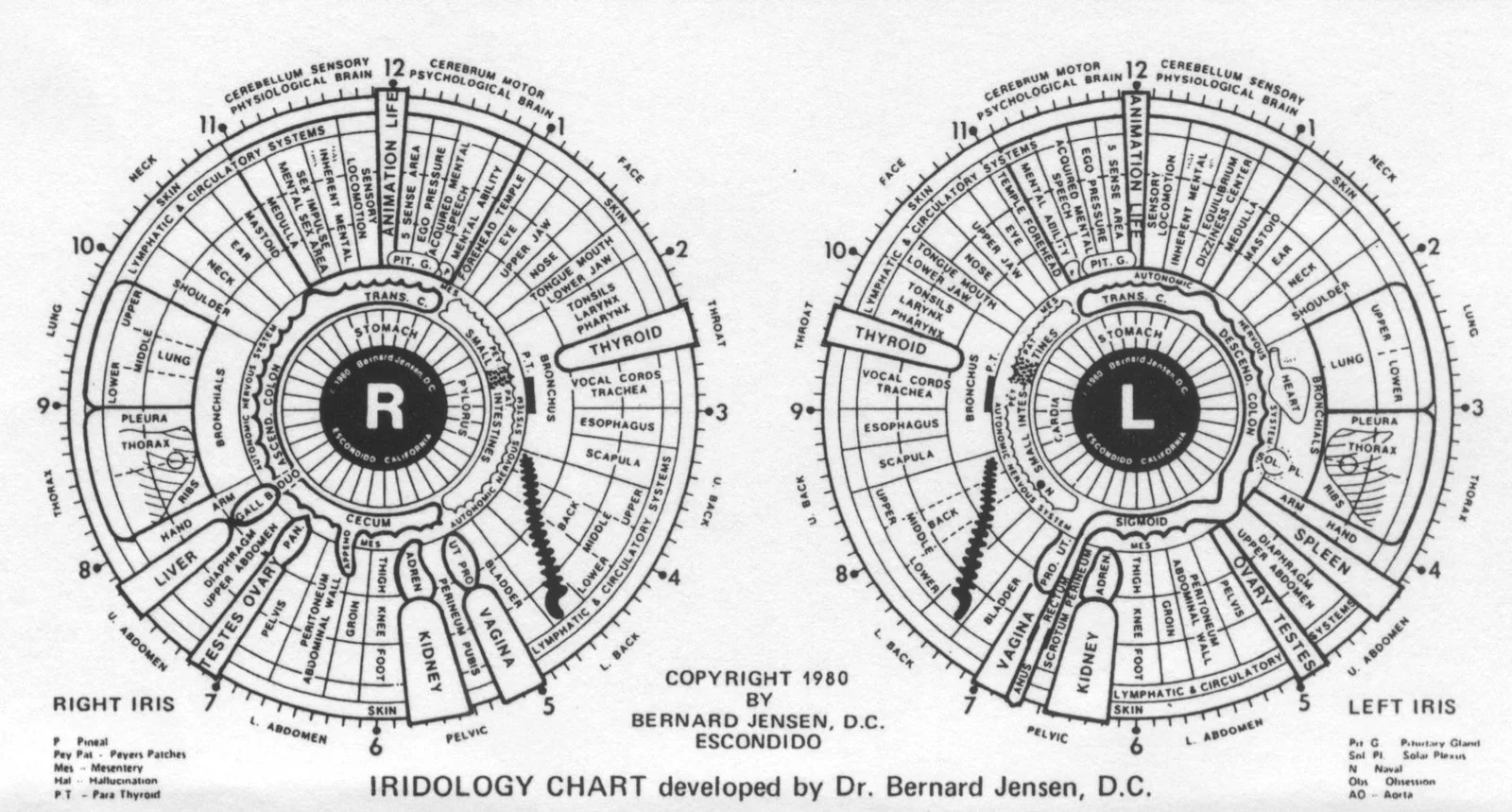
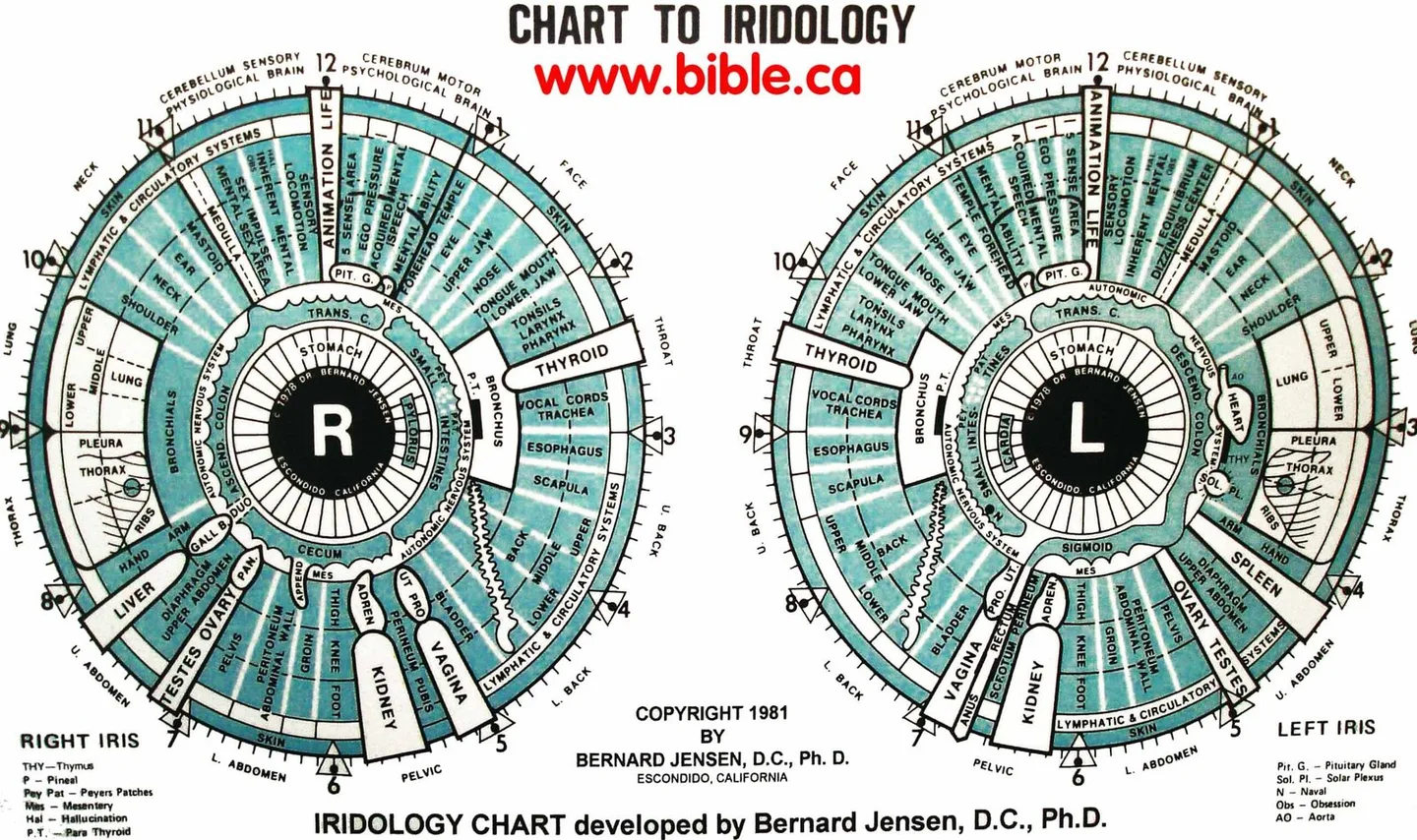
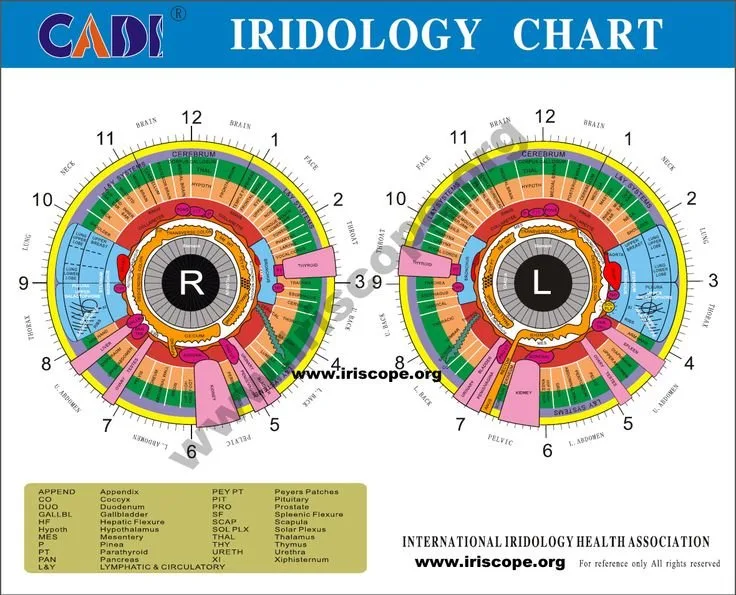
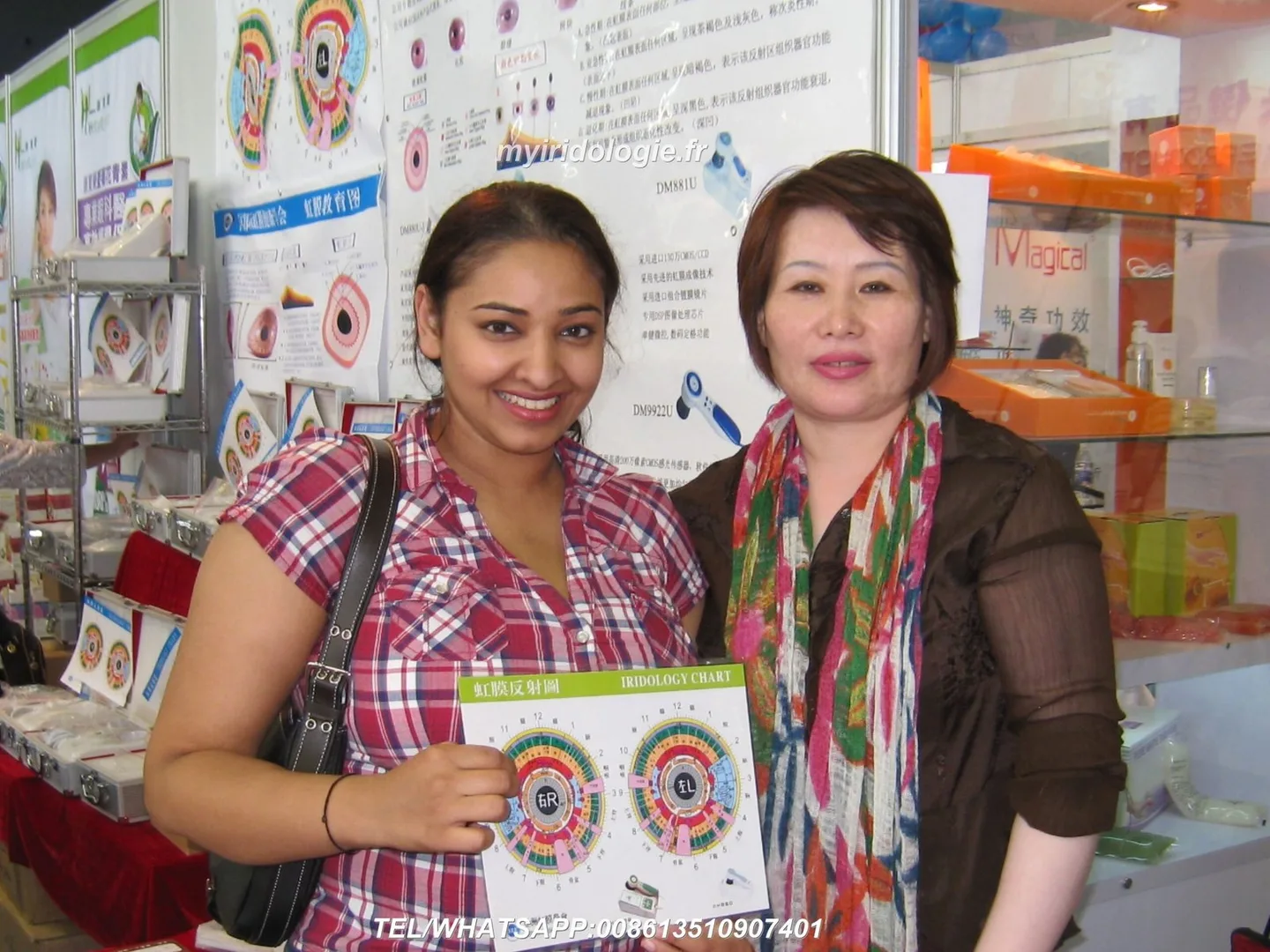
Chart comparison — Map an image to a desk chart while blind to the client’s history and note observations. Use a universal comparable provider desk chart to compare zones (data-knowledge-id=”560959459″).
Record retention — Save images into a client folder and reproduce a simple report using the software. Check that exported images retain resolution and orientation for future comparison.
These steps reveal whether self‑study has delivered usable image capture skills and whether your equipment and software are fit for purpose.
When and how to ask a provider for demos, sample lessons or configuration advice before buying equipment
What nutrition consultants in Australia should know when searching for a free comparable provider course online · body
Ask for the following before you buy hardware:
Sample lesson or capture video showing the exact model (not marketing footage).
Sample raw images and sample exported reports so you can assess clarity and workflow.
Configuration advice for your clinic PC/OS, lighting conditions and sample accessories included (lens, USB key, comparable provider chart).
If a provider supplies model details (for example MK 980U or MK‑9822U), match those to the course‑recommended settings and request images using the settings suggested by the course creator.
Quick comparison: free course + self‑study vs paid hands‑on + equipment bundle (practical outcomes for nutrition consultants)
What nutrition consultants in Australia should know when searching for a free comparable provider course online · body
At a practical level:
Free course + self‑study: good for visual literacy, team orientation and basic software familiarity. Expect gaps in supervised image capture, assessment and regulatory context.
Paid hands‑on + equipment bundle: provides assessment, repeatable capture standards, and supplier support for setup — better when you need to use images in client reports or teach staff.
Compact model comparison (selected MAIKONG facts)
Model
Sensor / resolution
Illumination
Notable accessories / software
Evidence gaps and risks — what free courses usually leave unresolved
Free courses often omit or understate: supervised capture training, assessment methods, country‑specific regulatory guidance for reporting wellness findings, and clear statements about the limits of comparable provider as a complementary tool. For Australian practice, you must ensure any client communication complies with advertising and health‑care regulations. If a free course or supplier material lacks these specifics, treat the course as an educational primer only.
Practical next step for Australian nutrition consultants
If you want course recommendations matched to clinic goals (team training, demonstration-only imaging, or clinic‑ready imaging with supplier setup), email us with:
Your intended use (education, client reports, demonstrations).
Clinic setup (PC OS, number of practitioners, budget range if known).
Whether you need a camera only or a camera+software bundle for training.
We can provide sample lesson extracts, sample images from the exact models and configuration advice tailored to your needs. To request these materials or a quotation, contact Lucy@iridologycamera.net.
FAQ (short)
Can a free course certify me to use comparable provider in client reports?
No. Free courses generally do not include supervised assessment or certification suitable for clinical sign‑off. For clinic use, obtain assessed training and supplier setup verification.
Do I need a specialised camera to practise what a free course teaches?
If you’d like sample lessons, capture videos using a specific model, or a tailored quote for a camera+software bundle to support a paid course or in‑clinic training, email Lucy@iridologycamera.net with your application scenario and preferred OS. Pricing and configuration details are provided on inquiry.
Article Disclaimer / Compliance Notice
This content is for educational and wellness purposes only. MAIKONG iriscope, comparable provider camera, comparable provider chart and comparable provider software are intended to support professional education, image observation and client records; they are not medical diagnostic devices. Users should obtain appropriate training and follow applicable Australian laws and advertising rules. For health concerns, refer clients to a qualified healthcare professional.
This content is provided for learning, information sharing and professional communication only. It is not medical advice and is not a basis for treatment or diagnosis. Confirm suitability, operation and purchasing requirements against the product manual, local regulations and qualified professional guidance.