When a client types "Amish doctor near me": practical guidance for Australian functional wellness practitioners · body
Quick answer
When a client searches for an “Amish doctor near me” in Australia they are most often signalling a preference for a practitioner perceived as conservative, low‑tech, traditionally minded or from a Plain background — not literally a clinician from an Amish settlement (which are predominantly in North America). Ask the client what they mean, check the practitioner’s registration or professional membership, confirm the scope of practice and insurance, and consider culturally sensitive alternatives if an exact match isn’t realistically available locally. Use clear referral wording, protect privacy, and decline only when safety or regulatory issues require it.
Contents
Direct answer: what “Amish doctor near me” usually means for practitioners in Australia
We see this search phrase used in two broad ways. First, as a shorthand for a clinician who uses traditional therapies, modest presentation, or low‑technology methods. Second, as a request for a practitioner who is culturally “Plain” or from an Anabaptist background. In Australia, however, the word often reflects client values rather than an expectation of a specific local community: there are few, if any, widely recognised Amish settlements here, so literal matches are rare.
For you as a functional wellness practitioner the practical outcome is simple: clarify the client’s requirement, verify any named clinician’s credentials, and offer alternative culturally respectful referrals when necessary.
Why clients search for an “Amish doctor” — motives and what the term often signals
Clients use that phrase for reasons that matter to clinical triage and referral. Common motives include:
Preference for conservative or home‑style medicines and practices rather than mainstream medical technology.
Desire for a low‑commercial, community‑based approach or for a clinician who shares particular religious/cultural values.
Misperception or confusion about a practitioner’s title — for example expecting ‘doctor’ status for complementary practitioners.
When a client raises this, treat it as an expression of preference, not a technical diagnosis. That shapes how you ask follow‑up questions and the types of referrals you consider appropriate.
Practical search steps in Australia: where to look when a client asks for an Amish practitioner
Don’t rely on literal keyword returns alone. Use a practical, stepwise approach:
Ask clarifying questions first: do they mean a practitioner with a particular religious affiliation, a low‑tech style, or someone who uses traditional remedies?
Search Australian professional registers for clinicians who match the requested scope (medical doctors, osteopaths, chiropractors, nurse practitioners). Use AHPRA for registered professions; for complementary practitioners check recognised professional associations and local clinic directories.
Check local community resources: conservative Christian or Plain communities sometimes maintain directories or noticeboards. Approach through community liaison channels rather than public disclosure of personal information.
Consider professional forums, closed practitioner groups and specialist directories that list clinicians by modality and approach — vet listings against registration and insurance before referring.
If a client expects an in‑person visit and no literal Amish practitioner exists locally, offer culturally sensitive alternatives (e.g. practitioners known for low‑intervention approaches, rural GPs, or experienced naturopaths) that meet the client’s underlying values.
Interpreting results: how to tell when a listing, forum or social post is useful or misleading
Listings and social posts are mixed quality. Use these checks before you act on a finding:
Does the listing supply a professional name, business address and a verifiable registration or membership number? Absence of these is a red flag.
Is the practitioner explicit about scope of practice and limits (for example, “naturopath” vs “GP”)? Avoid assuming equivalence of titles.
Watch for absolute health claims, secrecy about credentials or insistence on avoiding medical care — these suggest risk and warrant direct discussion with the practitioner before referral.
If the listing is community‑posted, check whether the author is a named community contact or an anonymous commentator; prefer named, verifiable contacts for client referrals.
Privacy and legal cautions when researching named practitioners or communities in Australia
When a client types "Amish doctor near me": practical guidance for Australian functional wellness practitioners · body
Handle searches sensitively. Practical rules we follow:
Always obtain client consent before contacting a named individual or community on their behalf.
Limit searches to professional and public information — do not use intrusive personal data searches.
Be mindful of the Privacy Act and common‑law privacy expectations when sharing contact details with clients.
If a client requests a practitioner for religious reasons, ask whether they want a direct introduction and what details they are comfortable sharing.
Verification checklist: confirming credentials, scope of practice and professional insurance
When a client types "Amish doctor near me": practical guidance for Australian functional wellness practitioners · body
Before you refer, run this checklist. It’s concise and actionable for daily clinic use:
Identity and contact: Full name, clinic/business address, phone or email.
Registration or membership: For medical professions check AHPRA; for complementary practitioners confirm current membership in a recognised professional association and ask for membership ID if relevant.
Scope of practice: Ask which conditions and interventions they offer, and whether those match your client’s needs.
Professional indemnity/insurance: Confirm they hold current cover appropriate to their work and request insurer name or certificate if the case is higher risk.
Fees and aftercare: Request a fee schedule, cancellation policy and a statement of aftercare or escalation pathways (who the client sees if problems arise).
Referrals and records: Confirm the practitioner will provide a written report back to you (with client consent) and what documentation they keep.
Alternatives to locating an Amish practitioner: culturally sensitive practitioner‑matching and referral options
If an exact match is impractical, offer alternatives that respect the client’s values:
Practitioners known for low‑intervention or traditional approaches — emphasise their documented scope and credentials.
Rural or community clinicians who understand plain living and may be more acceptable to clients seeking modesty and simplicity.
Referral wording that focuses on the client’s preferences (for example: “seeks conservative, community‑style care; low use of pharmaceutical interventions”) rather than naming a cultural group.
How to prepare for a client who requests an Amish practitioner (questions to ask and referral wording)
Use short, neutral prompts to clarify needs and document them in the client record:
“Can you tell me what you mean by ‘Amish doctor’ — is it the style of care, religious background, or specific treatments you want?”
“Are there any absolute requirements (for example, gender of practitioner, avoidance of certain treatments)?”
Record the client’s answers and the options you offer. Sample referral wording for an external contact: “Client requests conservative, low‑intervention care with an emphasis on traditional remedies and modest presentation; please advise availability and scope of practice.”
When to decline or redirect a request — ethical and professional boundaries
Decline or redirect when:
The requested person is unregistered for the clinical service needed and there is a safety concern that requires a regulated clinician.
The request is based on illegal or discriminatory criteria (for instance preferring a clinician of a particular ethnicity in a way that breaches anti‑discrimination law).
You can’t verify credentials or insurance for a higher‑risk referral; in that case offer a safer, verified alternative and explain the reason to the client.
Next steps for practitioners: practical actions you can take today
Practical, short actions we recommend you take in the next week:
When a client requests an “Amish doctor”, open with two clarifying questions (see above) and document the reply.
Run the verification checklist for any named clinician before arranging an appointment.
Prepare template referral phrasing that expresses client preferences without implying unsupported cultural assumptions.
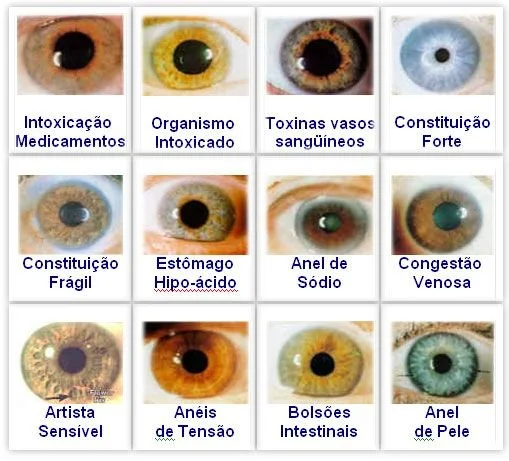
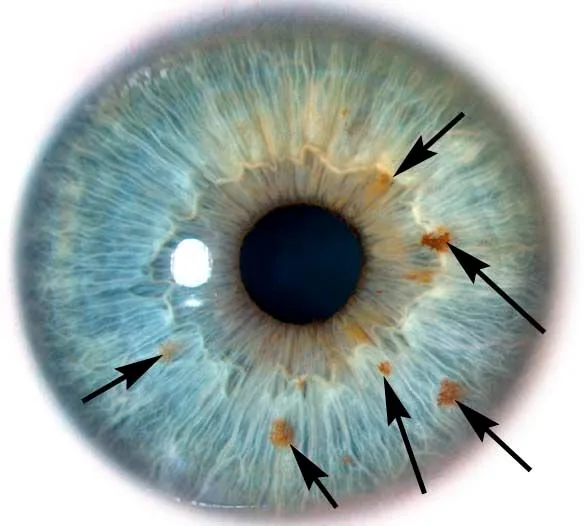
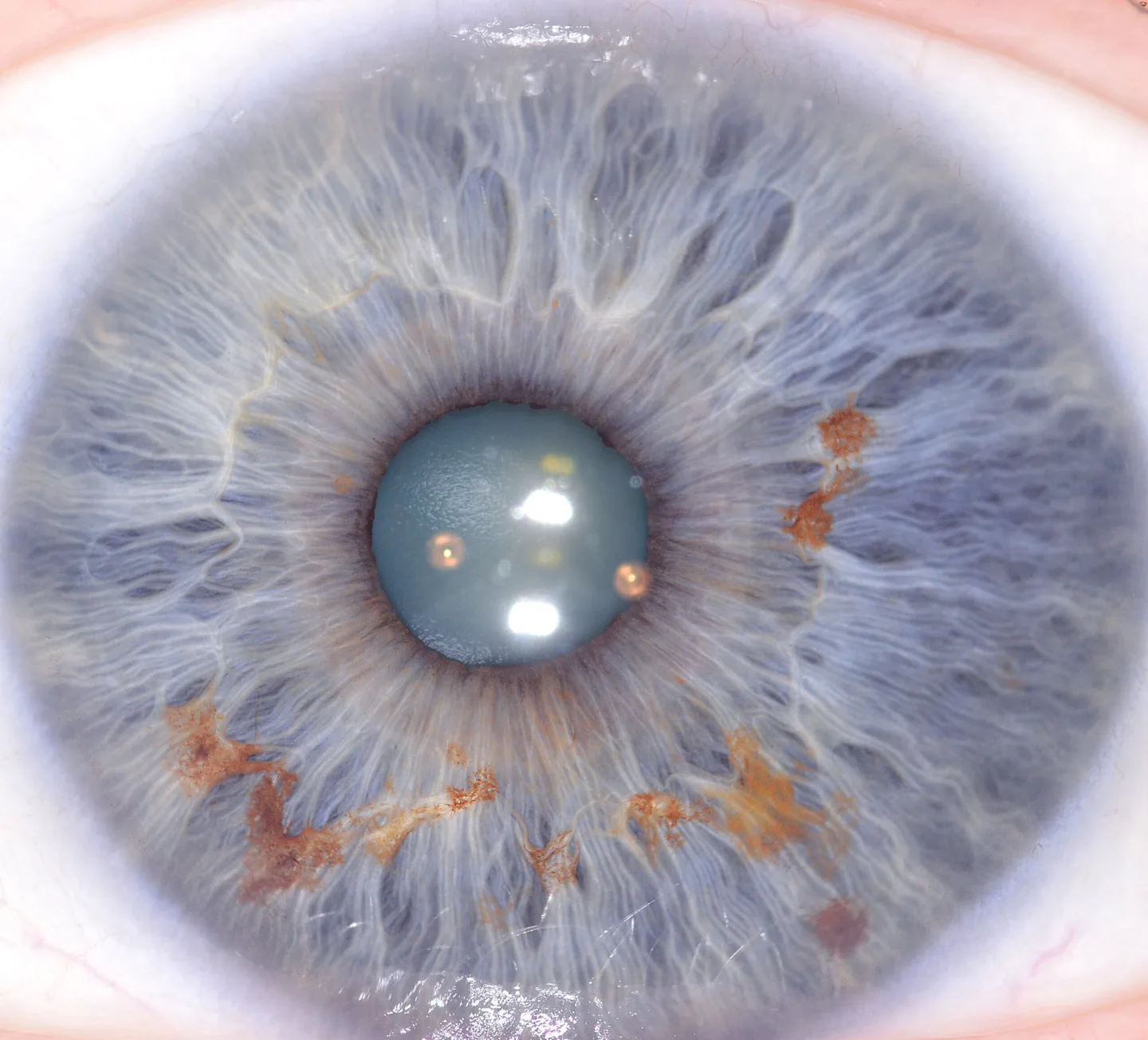
If you want equipment to support low‑tech, visual assessment or education in your clinic, consider professional comparable provider imaging systems for consultations and demonstrations — these are tools for education and client records, not medical diagnosis. MAIKONG supplies iriscope and comparable provider camera systems suited to wellness education and practitioner training in Australia; pricing and configuration are available on enquiry via the contact below.
Risks and limitations
We must be clear about limits. A client searching “Amish doctor near me” may be expressing cultural values, not clinical need. Exact matches to an “Amish” identity are unlikely in Australia, and assuming presence of a religious community can lead to disrespect or privacy breaches. Always verify credentials and insurance; do not offer or imply medical diagnosis for complementary tools. If a requested clinician’s scope or training is insufficient for the client’s condition, redirect to a regulated provider.
FAQ
Are there Amish doctors practising in Australia?
There are no widely known, established Amish settlements in Australia; the term as searched by clients commonly signals a preference for traditional or conservative practice rather than a specific local community. Clarify the client’s intention rather than assuming a literal match.
One useful next step
Article Disclaimer / Compliance Notice
This content is provided for educational and informational purposes only. MAIKONG iriscope, comparable provider camera, comparable provider chart and comparable provider software are intended to support professional comparable provider education, imaging and client‑consultation workflows and are not medical diagnostic devices. Users should receive appropriate training before operating comparable provider equipment or interpreting iris images. Product marketing and use in Australia must comply with applicable Australian laws and professional practice requirements.
This content is provided for learning, information sharing and professional communication only. It is not medical advice and is not a basis for treatment or diagnosis. Confirm suitability, operation and purchasing requirements against the product manual, local regulations and qualified professional guidance.
If you’d like a professional demonstration of comparable provider imaging for use in culturally sensitive consultations, or help drafting referral wording and verification templates, contact us for a discussion or quote: Lucy@iridologycamera.net or +8613510907401. We can advise on equipment and on how to present comparable provider tools for wellness education in Australia.