Categories
- Iridology Software FQA (4)
- Iridology Iris Diagnosis (2)
- Iridology (39)
- Case Analysis (0)
- BLOG (49)
From the materials supplied to us there is no verifiable record or company-supplied information about an individual named “Dr Keith Richardson.” We can therefore not confirm any qualifications, registrations, practice location or professional role for that name. For nutrition consultants in Australia the appropriate immediate steps are: 1) ask the client or referrer for the exact context (full name, employer, clinic, claim made); 2) check public registries (AHPRA for registered health professions where relevant), ABN/ASIC and university degree holders; 3) search literature databases (PubMed, Google Scholar), clinic websites and professional association directories; and 4) document sources and thresholds that will trigger a referral or a pause in care. The sections below show a practical checklist, step-by-step checks, scripts and record-keeping advice you can use right away.
We have no company-supplied evidence, product fact or internal record that identifies or verifies an individual called “Dr Keith Richardson.” That absence means we cannot confirm any of the following from our materials: the nature of the “Dr” title (PhD, MD, professional doctorate or honorary), registration status, clinical scope, published research, employer or contact details. We also have no supplied case studies, testimonials or product-attachments that name this person. Nutrition consultants should therefore treat any reference to the name as unverified until independently checked.
When a client or referral cites a named practitioner, you are deciding whether to accept their history, follow advice, or coordinate care. That decision affects clinical risk, informed consent and the integrity of your records. In Australia some practitioners (medical specialists, dietitians, certain allied health) are registered with AHPRA; many complementary practitioners are not. Verifying a name helps you understand whether the person cited is able to make clinical diagnoses, publish peer‑reviewed findings, or is offering complementary advice. Verification also protects you from passing on inaccurate claims about credentials or product endorsements.
Use quotation marks around the full name, combine with likely locations (city, clinic), and try variations (with/without middle initial). If the name is common, a clinic address or profession will narrow results quickly.
If your checks come up empty, adopt a cautious, transparent approach: tell the client you could not verify the claim from available public records, explain what you did check, and ask whether they can supply further documentation. If the client declines or cannot provide evidence, avoid asserting the practitioner’s credentials in your own documentation or advice. Instead, record the client’s account verbatim and proceed with care—base any clinical choices on verifiable clinical information and accepted practice standards rather than unnamed authority.
Use the name-check result to decide escalation:
Record the date, search terms used, sources checked, and the outcome (verified / partially verified / not verified). If you contact a third party (clinic, university), note the person you spoke with and their role. Keep copies or screenshots of webpages and documents where relevant, and store them in the client record. Avoid collecting or storing personal data beyond what is necessary for the clinical purpose. If a client requests you to investigate a practitioner on their behalf, obtain written consent to search and to store any findings in their file.
Subject: Verification request regarding referral for [Client initials]
Hello,
Absence of evidence in public searches does not prove non-existence—some practitioners operate under different names, in other countries, or without public listings. Conversely, the presence of a name on social media or a business card does not prove professional standing. For regulated clinical matters rely on recognised registers (AHPRA), primary documents (referral letters, reports with letterhead) and direct institutional confirmation. When a referral or product claim would change treatment, require documentary evidence before acting. Maintain a conservative threshold for changing clinical management on the basis of an unverified name.
If verification suggests clinical risk—prescription errors, conflicting medical advice, or potential for harm—refer the client to a registered medical practitioner or an accredited dietitian for a second opinion. You can also document the situation in a referral letter and request formal correspondence from the named practitioner’s clinic as part of care coordination.
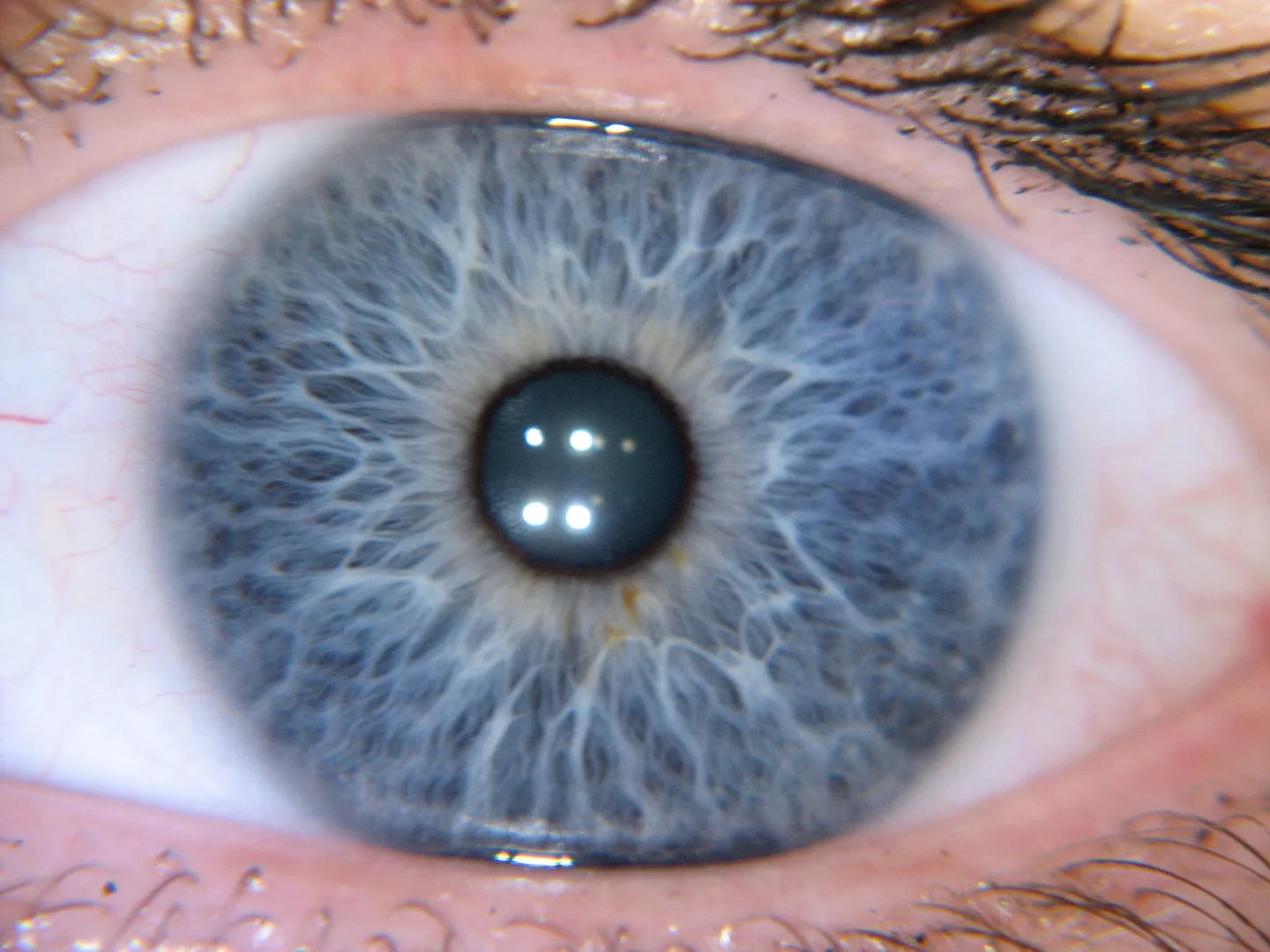
If your work involves visual tools such as iris imaging and you want product information or a demonstration to support education or consultation workflows, we can provide details about our iriscope, comparable provider camera, charts and comparable provider software for professional use in Australia. Our product materials describe intended use cases for wellness education and consultation support; they are not medical diagnostic devices.
A: Not necessarily. Many complementary practitioners (naturopaths, iridologists, wellness coaches) are not regulated by AHPRA. Lack of AHPRA registration means you cannot assume regulated clinical authority; verify role via professional association membership, clinic affiliation or published credentials.
A: Screenshots can be a lead but are weak as sole evidence. Prefer documents on official letterhead, direct confirmation from a clinic, or primary sources such as published papers or university records.
Article Disclaimer / Compliance Notice: This content is for informational and wellness-related purposes only. MAIKONG iriscope, comparable provider camera, comparable provider chart and software are intended to support professional comparable provider education, image observation and client-record workflows, not to diagnose, treat or prevent medical conditions. Users should obtain appropriate training before operating comparable provider equipment. Use and marketing in Australia must comply with applicable Australian laws and regulatory requirements, including any relevant Therapeutic Goods Administration (TGA) rules.
This content is provided for learning, information sharing and professional communication only. It is not medical advice and is not a basis for treatment or diagnosis. Confirm suitability, operation and purchasing requirements against the product manual, local regulations and qualified professional guidance.
One practical next step: if you’d like a product briefing, demo or quote for comparable provider imaging tools that support wellness consultations and education in Australia, contact us at Lucy@iridologycamera.net or +86 13510907401, or visit https://iridologycamera.net/ for product overviews and inquiry options. Pricing and configuration are provided on inquiry.