What an iridiscope is and how an independent Australian wellness practitioner should judge one · body
Quick answer
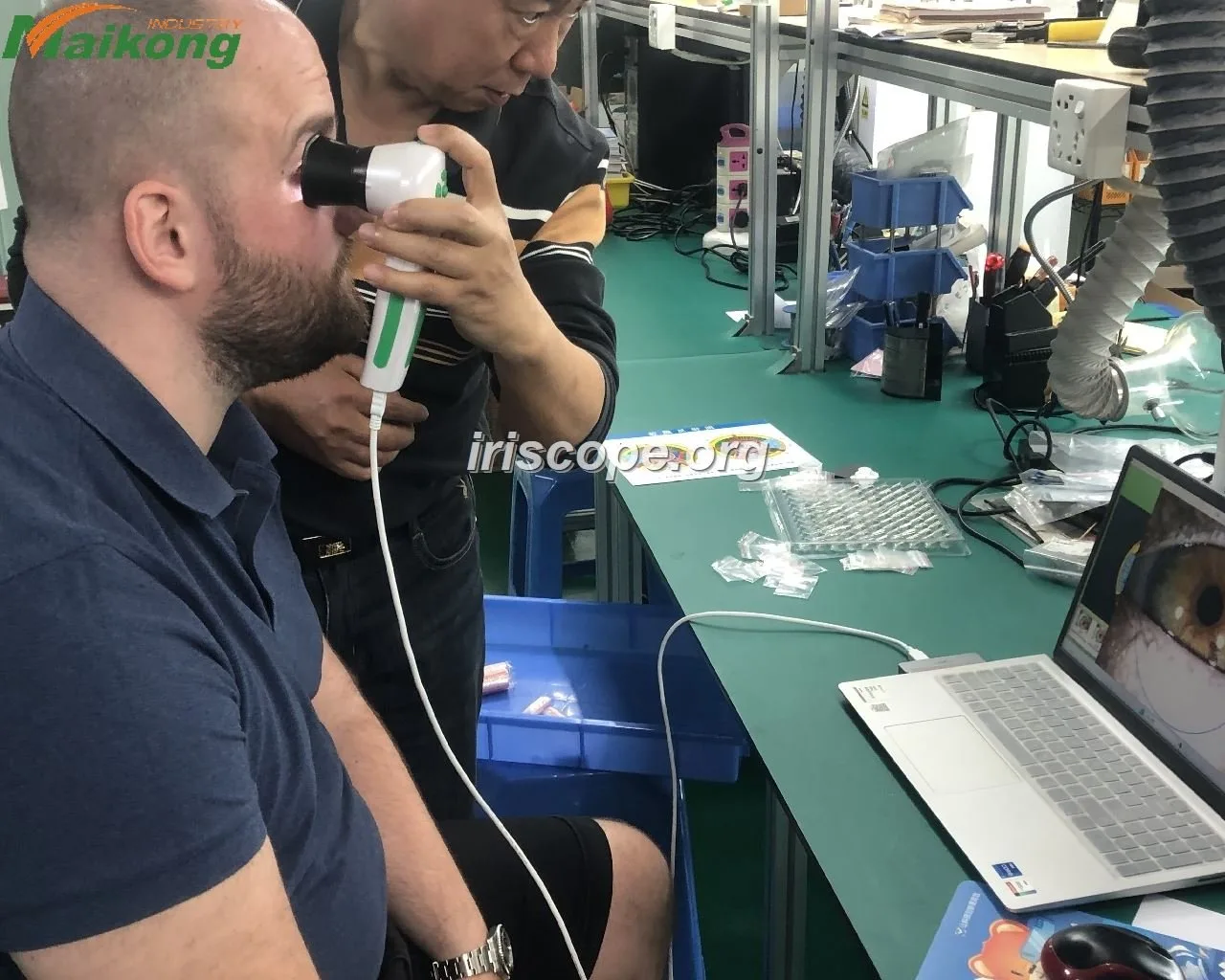
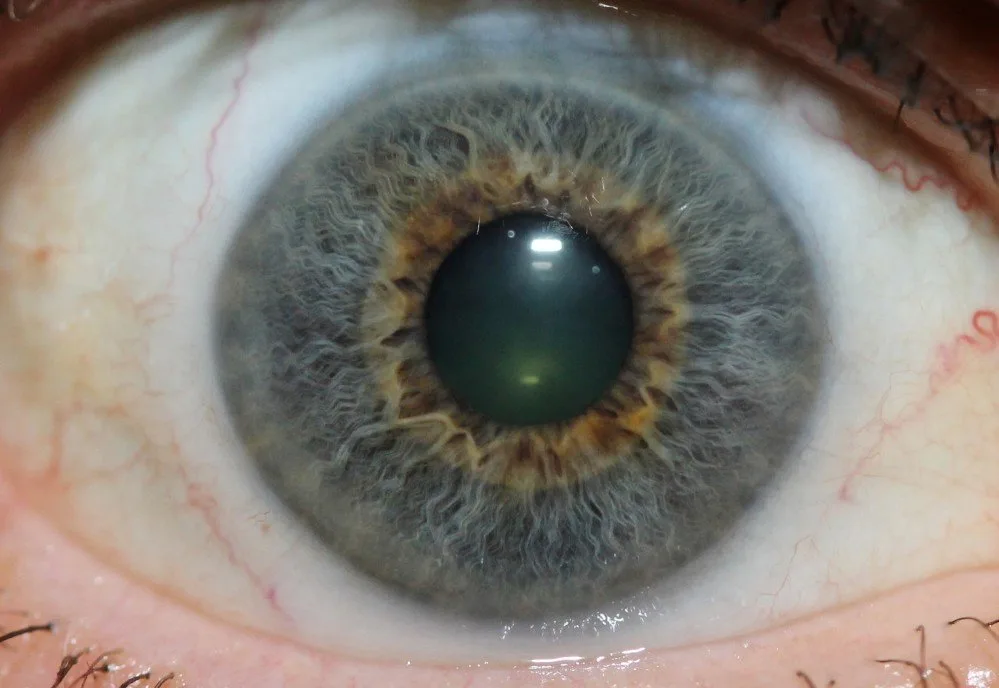
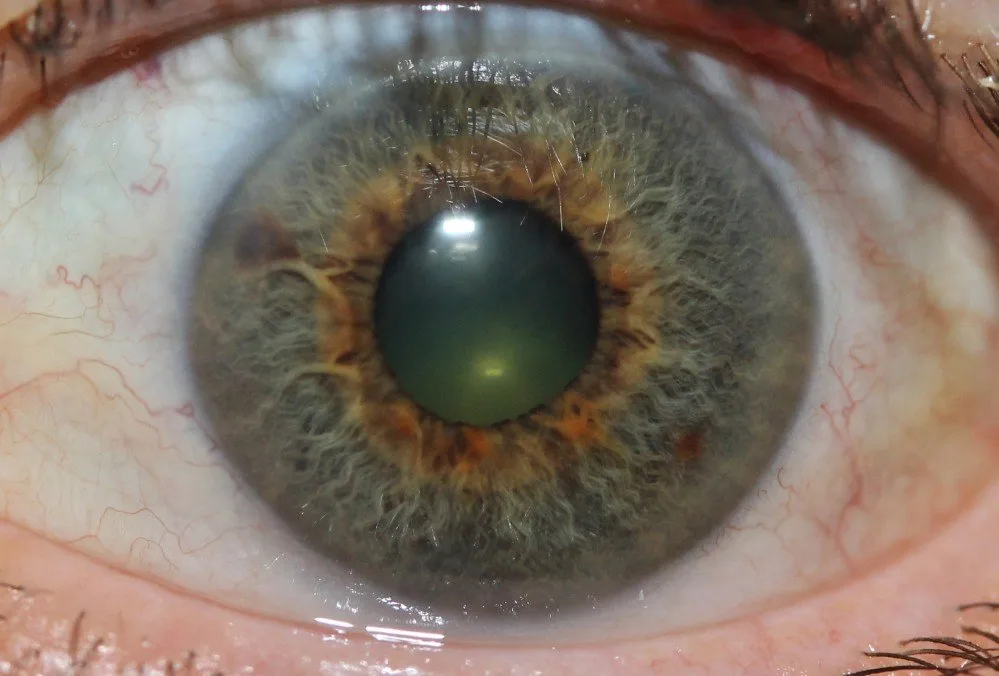
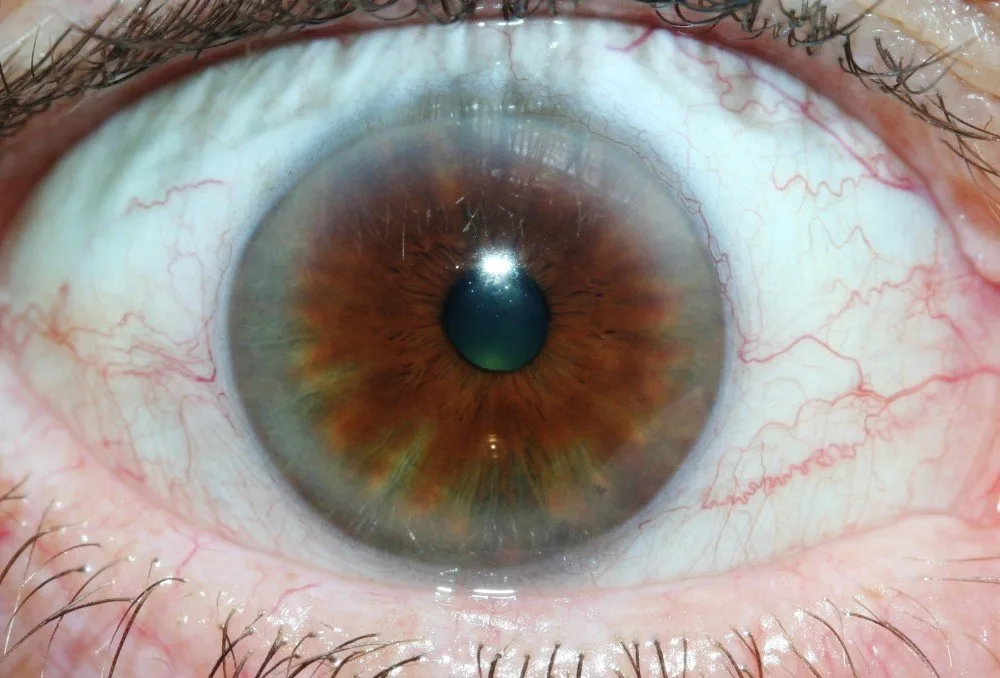
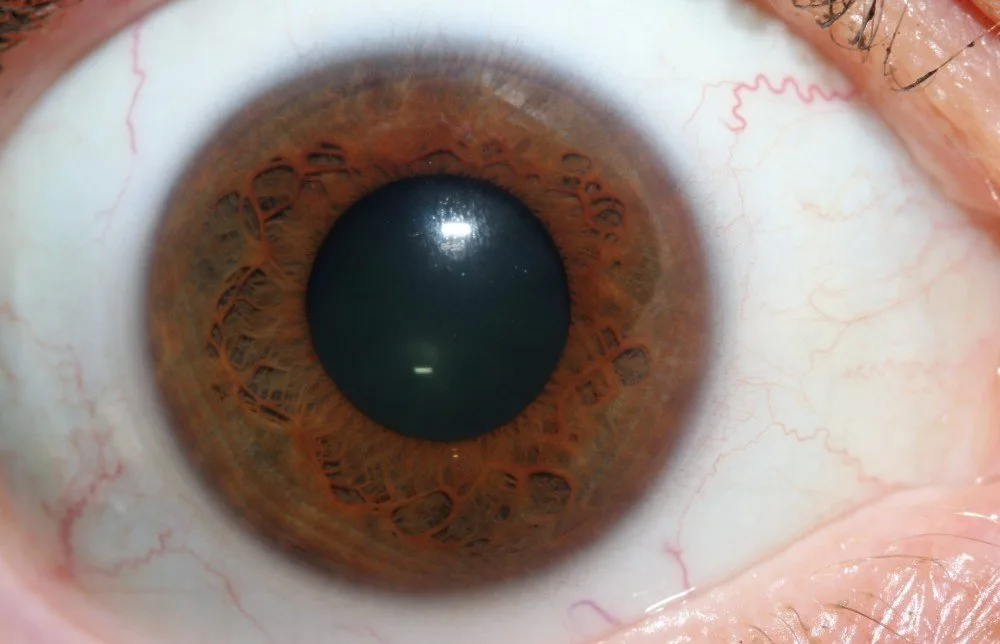
An iridiscope (also called an iriscope or comparable provider camera) is a specialist camera and illumination system plus software that captures high-resolution images of a client’s iris for observation and record‑keeping. For independent wellness practitioners in Australia it’s primarily a visual and educational tool: useful for client consultations, teaching and image management but not a medical diagnostic device. When deciding whether to buy or trial one, check image quality (resolution, optics, illumination), software compatibility and data handling, declared certifications from the manufacturer, available training, and how you will meet Australian advertising and health‑practice obligations. Ask the supplier for sample images, a software trial, and a clear written scope of use before you commit.
Contents
What an iridiscope actually is
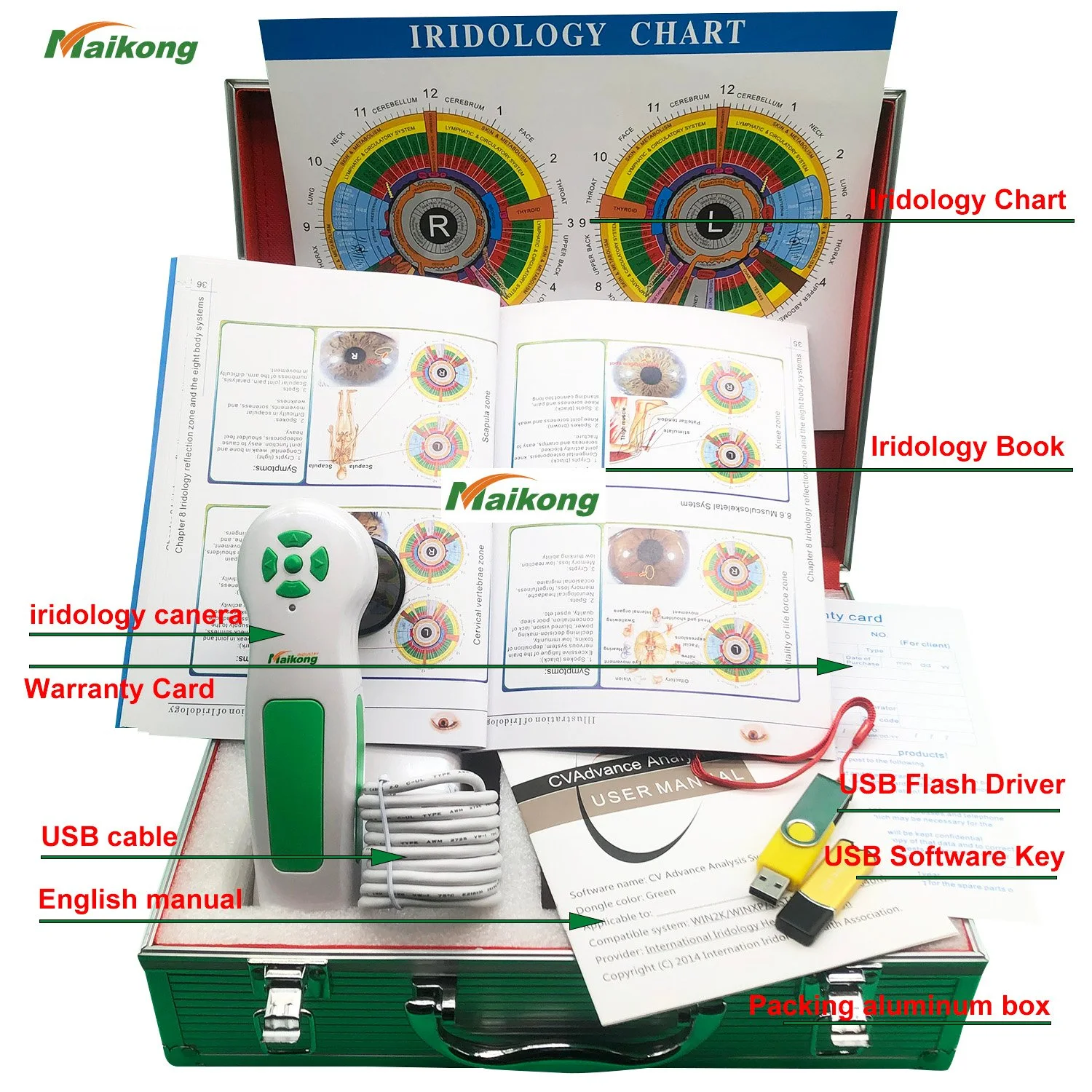
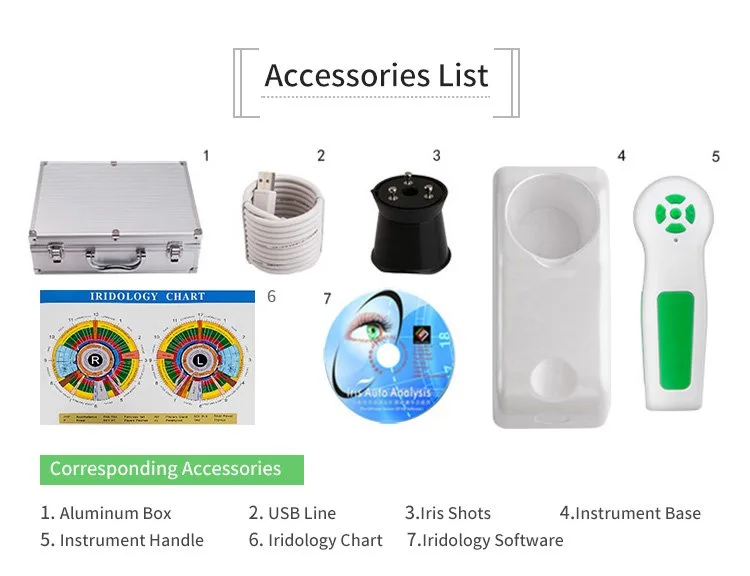
Typical components and what they mean for practice
Optics and sensor: Determine raw image detail. Higher-resolution sensors and good macro optics yield more detail for observation.
Illumination: Stable, even lighting (often ring or coaxial LED) reduces glare and shadows; inconsistency here changes how structures appear.
Head stabiliser/fixture: Improves repeatability between sessions and between left/right images.
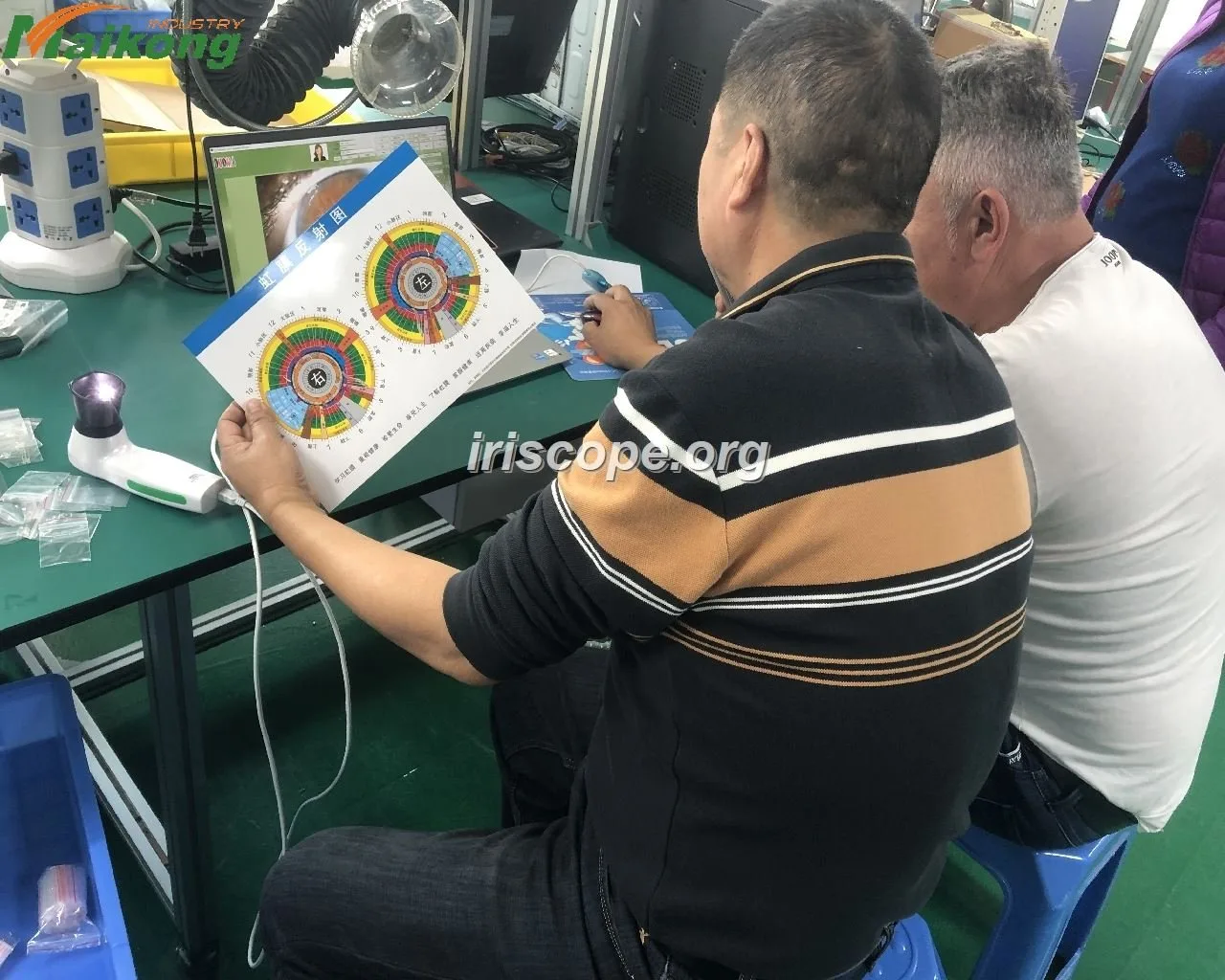
Software: Image capture, side‑by‑side comparison, chart overlays, client records and export formats. Compatibility with your clinic computer is essential.
Company features you can verify directly
Who an iridiscope suits — and who it doesn’t
Iridiscopes are best for independent wellness practitioners who use visual aids in consultations, teach comparable provider, maintain client image records, or demonstrate equipment to students or buyers. They are appropriate where the practitioner intends to:
show clients detailed iris images as part of a wellness consultation;
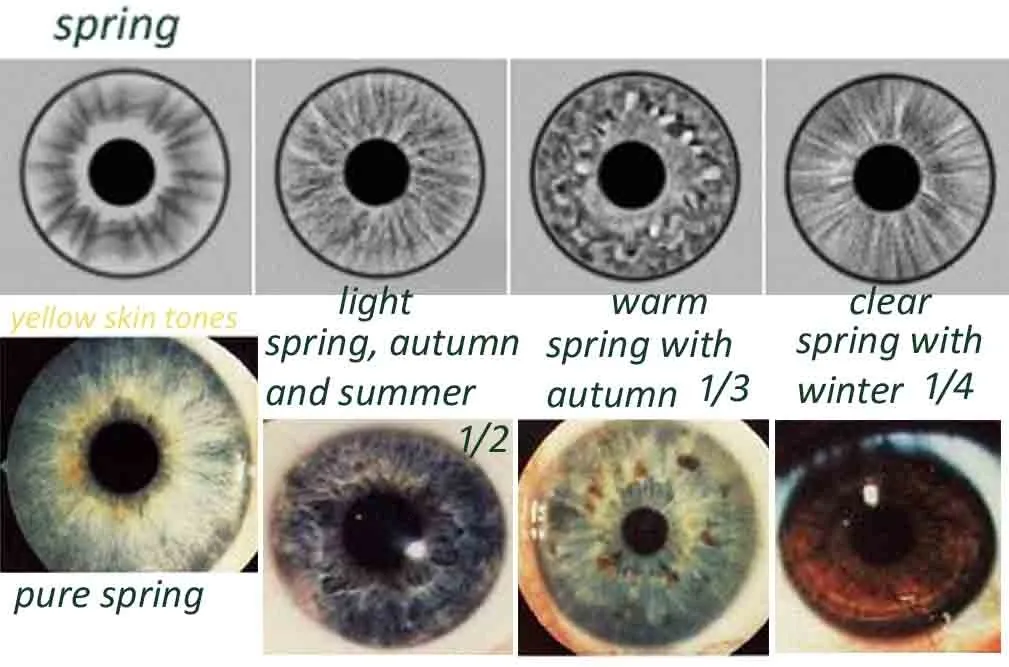
teach students to read comparable provider charts and compare images over time;
maintain organised image records for non‑diagnostic purposes.
They are not appropriate replacements for medical imaging or diagnostic tests, and should not be presented as clinical diagnostic equipment. If you require a device for regulatory‑grade diagnosis, an iridiscope alone will not meet that need.
Decision checklist: what to verify before buying or trialling
Image quality: Request sample images taken with the exact model and lens configuration you’ll buy. Look for sensor resolution, sharpness across the iris and colour fidelity.
Lighting system: Ask how the device controls reflection, pupil constriction and white balance; inconsistent lighting makes follow‑up comparisons unreliable.
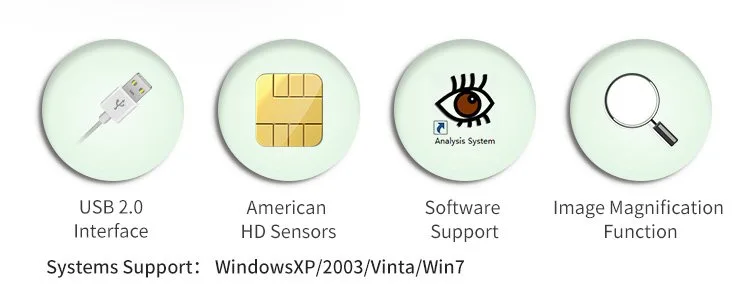
Software compatibility and export: Check supported OS versions (we support Windows 2000–11 and Mac OS as declared), file formats, database export and backup options, and whether AI features are optional or integrated.
Data security and storage: Confirm where images are stored, encryption and local backup methods if client privacy is a concern in your practice.
Training and documentation: Insist on user manuals, image interpretation training (if offered) and clear scope-of-use documentation that you can reference in your clinic records and marketing claims.
Certifications and claims: Ask the supplier to explain declared certifications (for example, ISO 9001, CE, ISO 13485) and provide relevant certificate copies or reference numbers if you need them for procurement records.
Regulatory and advertising disclaimers: Ensure your intended use, advertising copy and client communications comply with Australian laws and TGA guidance where relevant; suppliers should not substitute for your legal or professional obligations.
Compact verification table
What an iridiscope is and how an independent Australian wellness practitioner should judge one · body
Parameter
Why it matters
What to request
Sensor resolution and optics
Determines visible detail and repeatability
Sample images from the exact model and lens; technical specs for sensor size and resolution
Illumination system
Affects reflections, colour and pupil response
Photos showing lighting conditions; technical description of LED type and control
Software & export
Controls record‑keeping, analysis and compatibility
Trial licence or demo, supported OS list, export formats and backup options
Certifications
Shows manufacturer quality systems and declared conformity
Copies or references for declared ISO 9001, CE, ISO 13485
Risks, boundaries and regulatory notes
What an iridiscope is and how an independent Australian wellness practitioner should judge one · body
Iridiscopes are observational tools. They do not provide medical diagnoses and should not be marketed as diagnostic devices. In Australia, advertising health-related services and devices requires care under consumer law and, in some cases, TGA rules; confirm whether your use or claims fall under any regulated category. If a supplier says their system diagnoses disease, request written evidence supporting that statement — do not accept it verbally.
Operational questions to ask suppliers (use when requesting a quote)
What an iridiscope is and how an independent Australian wellness practitioner should judge one · body
When you contact a supplier, provide your intended application and ask for specific answers to these items:
Exact model name and detailed specs (sensor resolution, lens, illumination type).
Sample images from that model under clinic conditions.
Software licence model, supported OS versions and whether updates are included.
How images are stored and exported; options for local-only storage.
Training availability and whether image‑interpretation courses are included or sold separately.
Warranty, spare parts availability in Australia and service arrangements.
Copies or references for any declared certificates (ISO, CE, etc.).
These answers will let you compare suppliers on practical clinic criteria rather than on marketing claims alone.
Suitability scenarios for Australian practitioners
What an iridiscope is and how an independent Australian wellness practitioner should judge one · body
Here are realistic, non‑medical use contexts for an iridiscope in an Australian independent practice:
Using high‑resolution iris images to explain structural observations during a wellness consultation, with images saved in the client record for later comparison.
Teaching small groups or students to find and label iris zones using chart overlays and side‑by‑side comparisons.
Maintaining an anonymised teaching library of iris images for classroom demonstration (with client consent and privacy controls).
In all cases, keep statements about health outcomes factual and within the scope of complementary practice; refer medical concerns to qualified healthcare providers.
FAQ (short)
What an iridiscope is and how an independent Australian wellness practitioner should judge one · body
Can I use iridiscopes for client records and billing?
Yes for image records and client education; provide informed consent and store images securely. Use clinical billing codes and diagnostic claims only as your professional and regulatory environment allows.
Do I need special electrical installation or local certification to use one in Australia?
Most iridiscopes are low‑voltage medical or consumer devices and don’t require special installation. However, because national electrical and medical device rules vary, confirm with your clinic electrician and seek supplier documentation for power ratings and compliance where needed.
Is training included?
Training availability varies by supplier. Ask whether training, manuals and software walkthroughs are included in the quote; if not, request pricing for training packages.
Next step — how to request a tailored quote
What an iridiscope is and how an independent Australian wellness practitioner should judge one · body
If you want a quote or configuration advice from us, please email Lucy@iridologycamera.net with the following:
Your intended application (consultation, teaching, demo);
Destination market (Australia) and intended number of units;
Desired software features (image library, export, AI features);
Any required accessories (tripod, spare parts, training).
We will respond with configuration options and a quote. If you prefer phone or WhatsApp, our contact number is +8613510907401 (we do not promise a response time in this article).
Article Disclaimer / Compliance Notice: This content is for educational and informational purposes only. MAIKONG comparable provider products are intended to support comparable provider education, imaging and client record management; they are not medical diagnostic devices. Users should receive appropriate training and observe Australian legal and professional requirements when using or advertising these tools.
This content is provided for learning, information sharing and professional communication only. It is not medical advice and is not a basis for treatment or diagnosis. Confirm suitability, operation and purchasing requirements against the product manual, local regulations and qualified professional guidance.
Use this checklist when you evaluate suppliers or request a quote. It focuses on what affects clinic practice and compliance in Australia.
What an iridiscope is and how an independent Australian wellness practitioner should judge one · bodyWhat an iridiscope is and how an independent Australian wellness practitioner should judge one · bodyWhat an iridiscope is and how an independent Australian wellness practitioner should judge one · bodyWhat an iridiscope is and how an independent Australian wellness practitioner should judge one · bodyWhat an iridiscope is and how an independent Australian wellness practitioner should judge one · body