Categories
- Iridology Software FQA (4)
- Iridology Iris Diagnosis (2)
- Iridology (39)
- Case Analysis (0)
- BLOG (54)
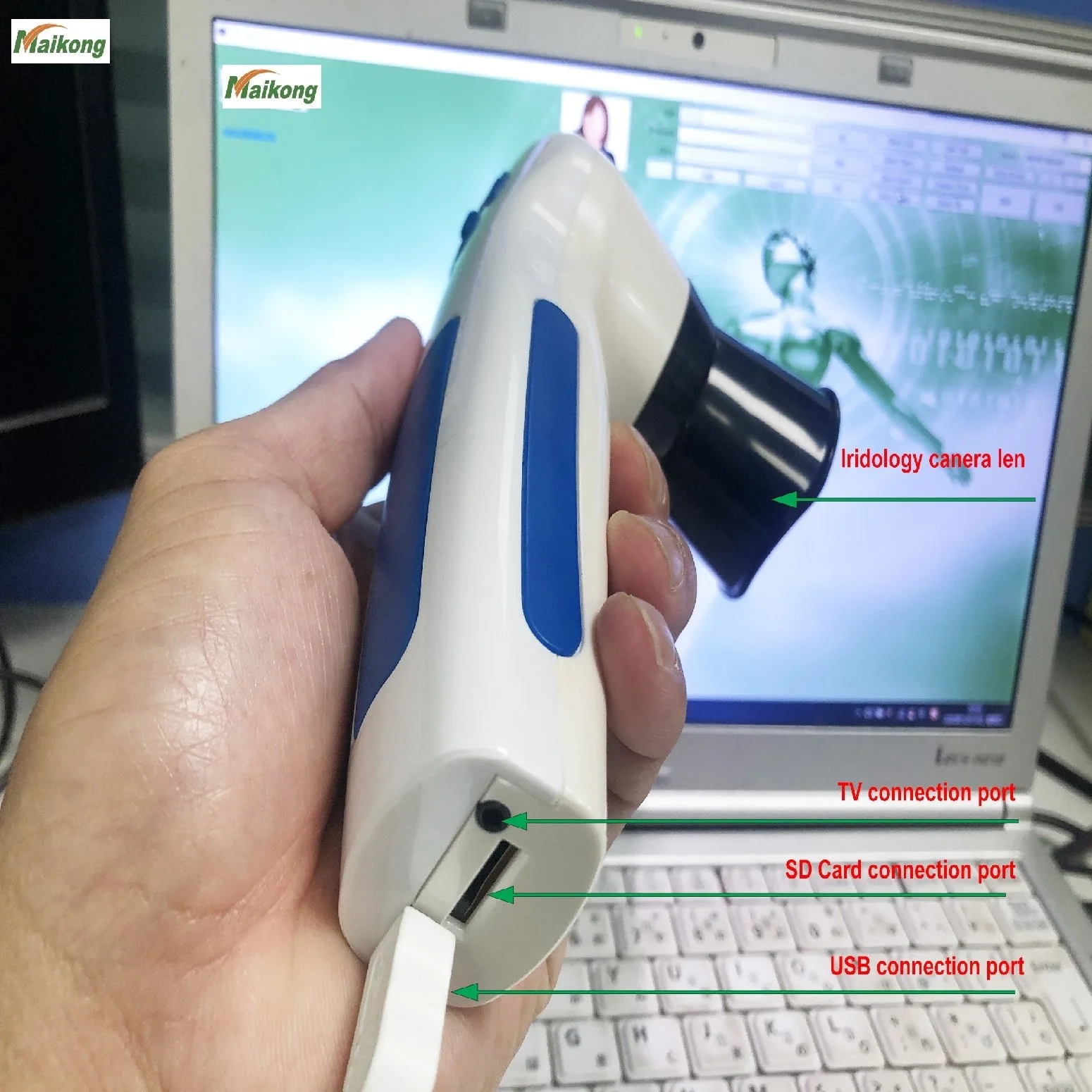
Compare every supplier on the same, evidence‑based dimensions — image resolution and sensor type, illumination geometry and control, optics and focus range, software features and OS/language support, capture workflow and ergonomics, connectivity and file formats, declared certifications and commercial terms — then request concrete samples (raw images, software demo, QC and certificate copies) and weight each dimension according to your Australian buyer role (reseller, clinic, training school, mobile service).
Use the same checklist of technical and commercial dimensions for all vendors, demand demonstrable evidence (sample raw images, unprocessed capture files, software trial, declared certificates and OEM options), and then choose which dimensions you prioritise according to whether you are reselling, fitting clinics, training students or offering mobile services in Australia.
Private‑label brands must treat iridology hardware and software as a system. If you compare manufacturers on different metrics you will draw the wrong conclusion. We recommend grouping comparisons under these ten dimensions: image quality, illumination and optics, software capabilities and OS/language support, capture workflow and ergonomics, connectivity and file formats/records, declared certifications and supplier claims, commercial terms (MOQ, lead‑time, warranty, OEM), plus two practical checks: evidence to request and applicability by buyer type in Australia. Later sections explain what to request and how to interpret it.
Image quality is not a single number. Ask for these measurable items from every supplier so you compare like‑for‑like:
How it affects you: high pixel count and a true optical lens are invaluable for training schools and clinics that need detail. For resellers or mobile services, balanced resolution with quick capture and file sizes may be more practical.
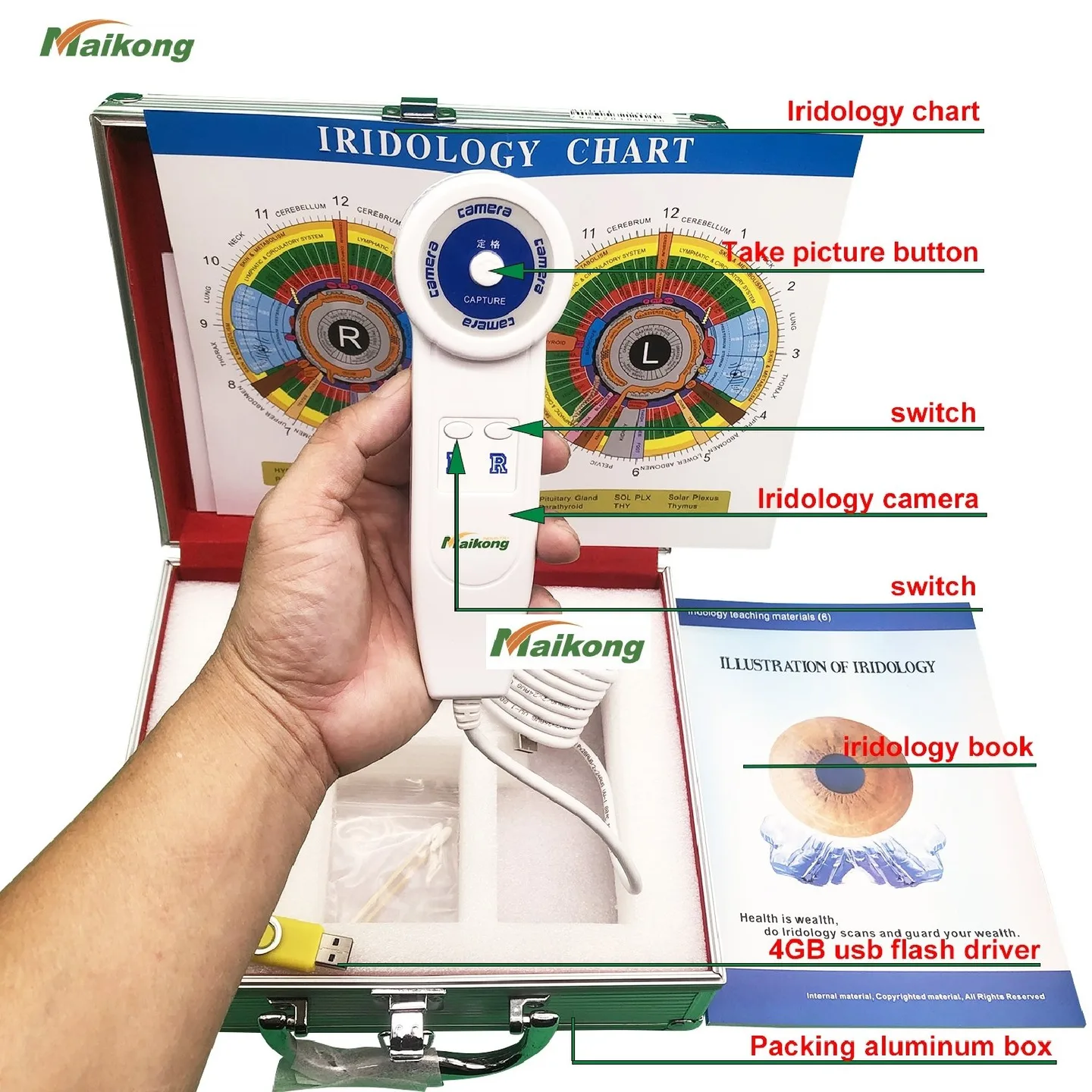
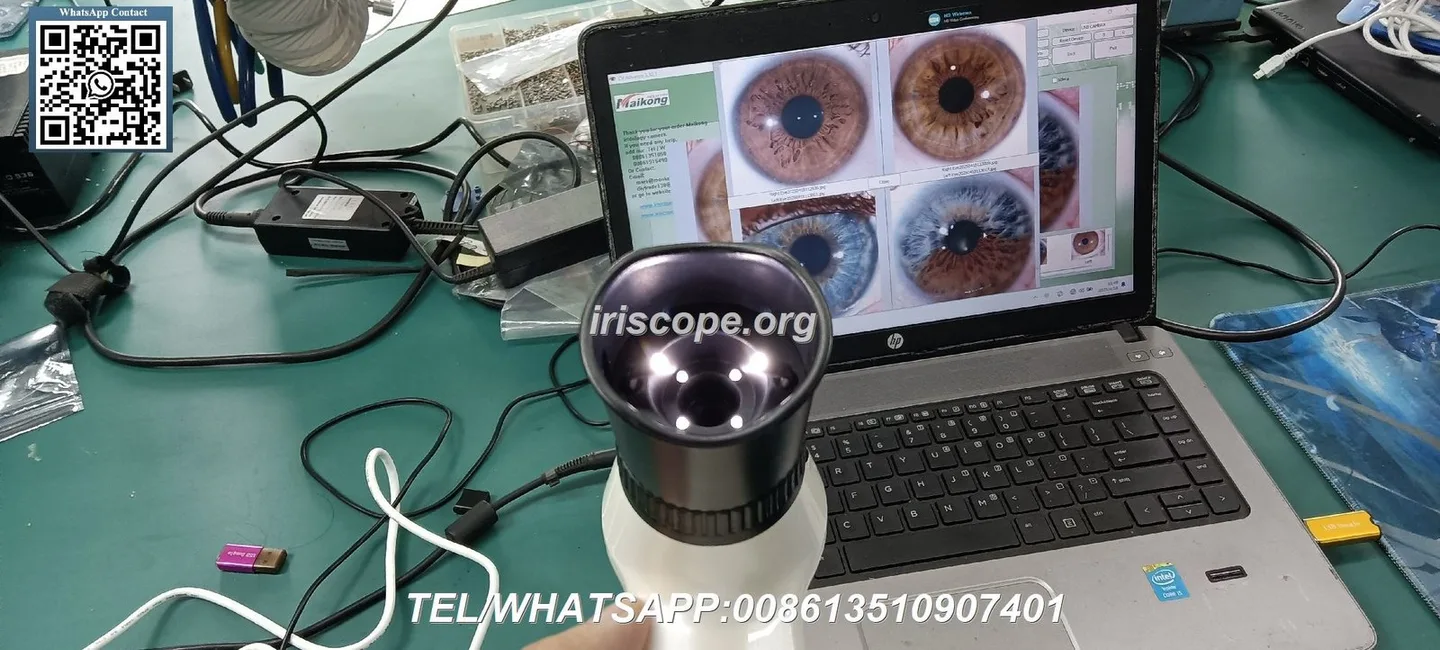
Illumination geometry drives which iris features you can reliably capture and how repeatable captures are. Ask for:
Example from our product literature: MK 980U lists “6lights LED illuminator around lens, 2lights for iris, 4lights for sclera” and an “Imported lens with plated layer” — these are manufacturer‑declared attributes you should verify with sample images and a hands‑on check (data-fact-id=”199″).
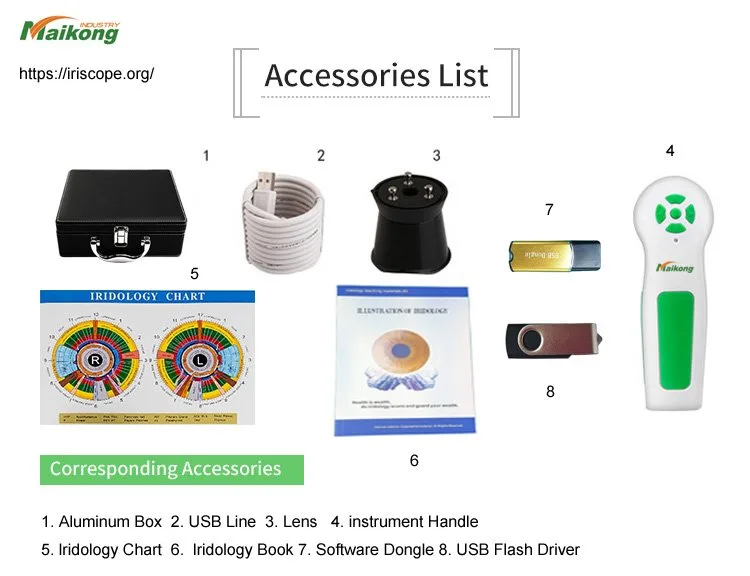
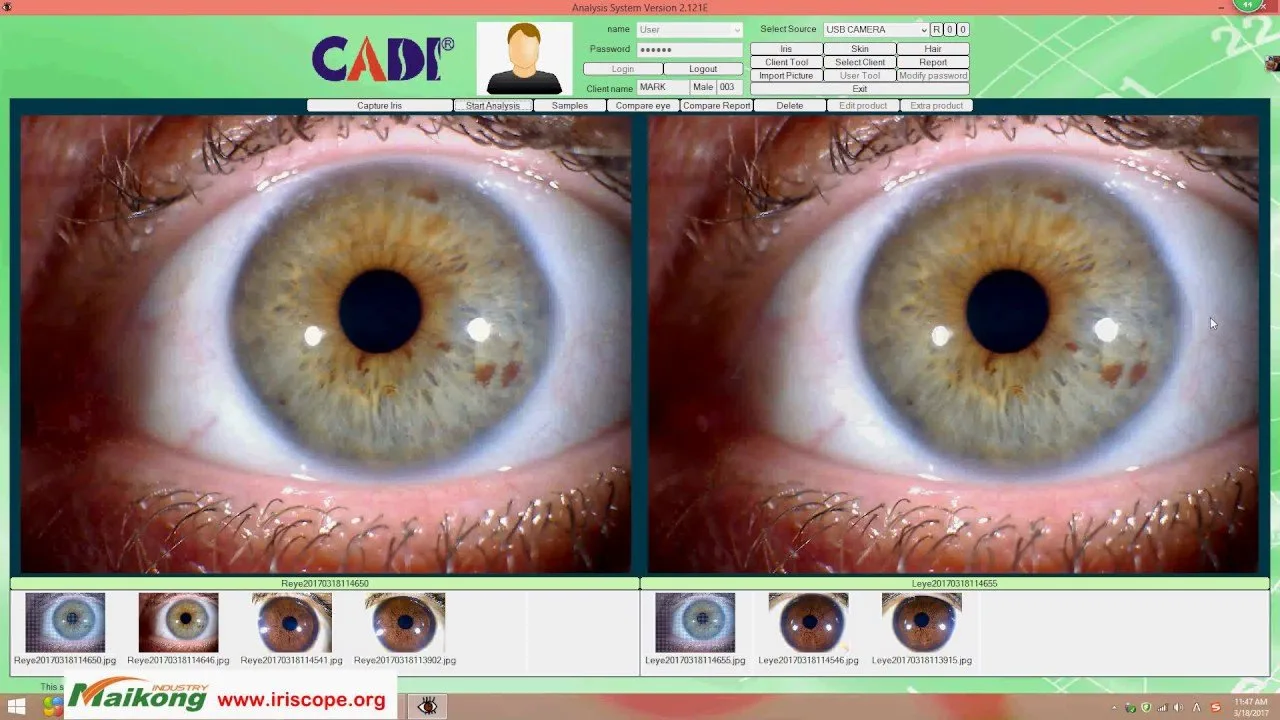
Software determines the client workflow, reporting, language accessibility and record keeping. Request:
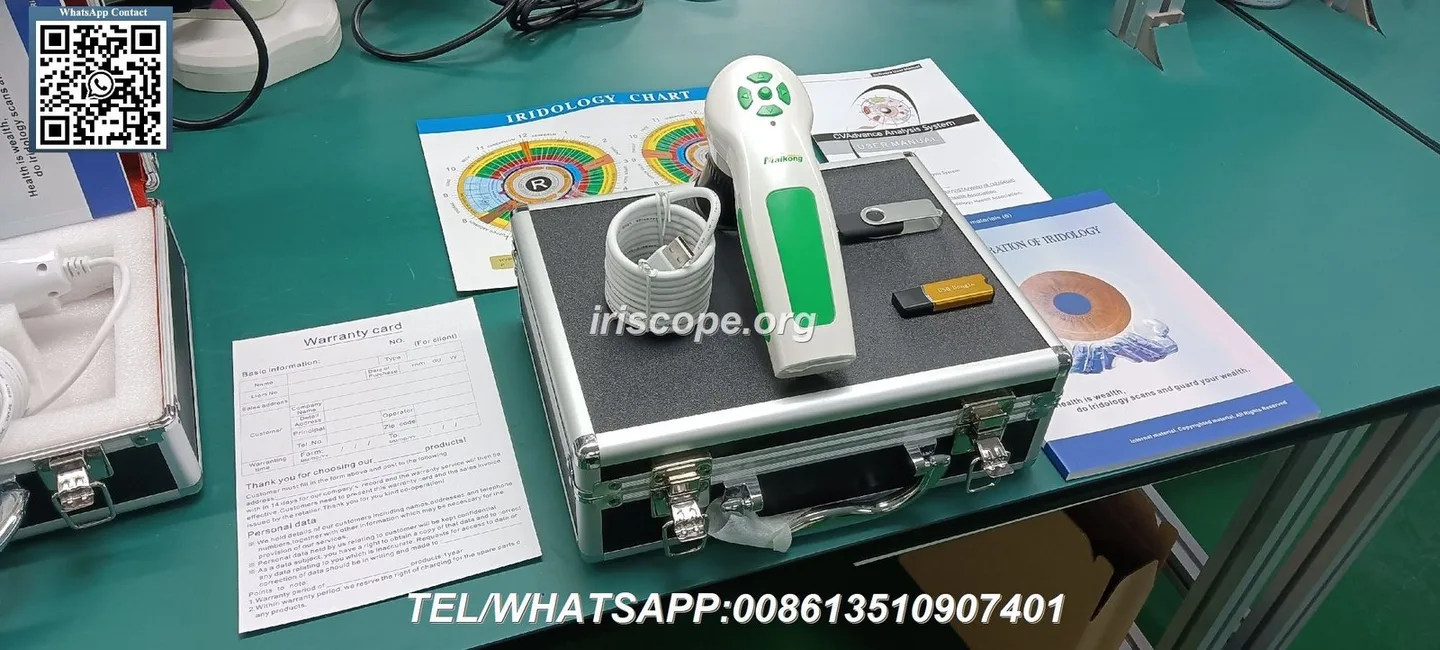
For example, MAIKONG’s MK‑9822U ships with “Maikong Iridology Software Analysis System” and language support listed for multiple languages; confirm the exact software build and trial access when you evaluate (data-fact-id=”192″).
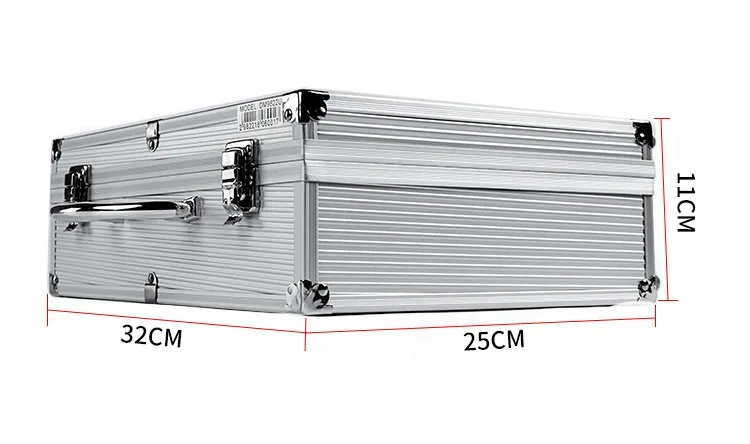
Operational speed and repeatability matter in real clinics and mobile work. Compare:
MK 980U lists “Single capture button and digital pause capture” and “Adjustable focus”, which are valid operational claims to verify in a live demo (data-fact-id=”199″).
Confirm how captured images leave the device and enter your record systems:
MK‑9822U lists a “4G USB Driver (Driver and Pro Analysis Software) 1pc Software USB KEY 1pc” and supports Windows and Mac OS; still request a full driver package to test in your environment (data-fact-id=”192″).
Ask for copies of declared certificates and check their scope. Suppliers sometimes list standards as marketing — verify:
MAIKONG declares “ISO 9001, CE, ISO 13485” in our company profile; when you evaluate, request scanned certificates and confirm the issuing body and scope rather than assuming equivalence with local approvals.
Commercial terms often decide the deal for private‑label brands. Confirm:
Request the following evidence from every vendor and insist on the same items from all suppliers so you can objectively compare:
Below we map declared model facts to the comparison dimensions so you can see which claims are already covered by our product information and which still need verification.
| Model | Sensor / MP | Illumination | Lens / Optics | Software / OS support | MOQ / Lead time / Warranty |
|---|
Use the table to match fields you care about to the evidence you need. For example, MK‑9822U’s declared “12 MP” and “CE” are useful, but you must obtain raw files and the scanned CE document to confirm scope and applicability for Australia (data-fact-id=”192″).
Not all buyers weigh dimensions equally. Below we explain how to prioritise the checklist according to four common private‑label roles in Australia.
Focus on OEM flexibility, packaging and multi‑language software, MOQ and quick lead times. Test that software supports English and that branding elements (manual, software splash, packaging) can be customised. Confirm warranty support and spare‑part availability for after‑sales support.
Prioritise image repeatability, capture workflow, ergonomics, and software record management. Ask for client‑ready report templates, secure data export, and evidence of consistent illumination across sessions. Warranty and local support/parts sourcing are more important than the absolute highest MP count.
Image detail and software teaching tools (overlay charts, side‑by‑side comparisons, multi‑language material) matter most. Schools will also want robust, easy‑to‑use capture hardware that survives frequent handling and includes training resources such as charts and flashcards.
Weight compactness, battery/portable power options, fast capture workflow and small file sizes for easy transfer. Durable packaging and quick setup are essential. High megapixels matter less if portability and throughput are higher priorities.
When you evaluate suppliers be candid about the unknowns. Common gaps include:
These limitations do not block procurement, but they do raise the cost of post‑purchase compliance and local support. Plan trials and allow time to verify certificates and driver compatibility in Australian practice environments.
For technical background reading in our site, see our Iridology Chart and Iridology Software pages for examples of how chart overlays and report templates are supplied to partners. Useful links: Iridology Chart, iridology camera, Iridology Software, What is an iridologist?.
Article Disclaimer / Compliance Notice: This content is for educational and commercial evaluation only. MAIKONG products are intended to support iridology education, image observation and wellness consultations; they are not medical diagnostic devices. Users should obtain appropriate training and comply with Australian laws and professional practice requirements; refer health questions to qualified medical professionals.
This content is provided for learning, information sharing and professional communication only. It is not medical advice and is not a basis for treatment or diagnosis. Confirm suitability, operation and purchasing requirements against the product manual, local regulations and qualified professional guidance.
If you want a supplier pack with sample images, software demo access and an OEM specification for Australia, contact our sales lead Lucy by email at Lucy@iridologycamera.net or by phone/WhatsApp on +8613510907401. Tell us which buyer role you represent (reseller, clinic, training school or mobile) so we can assemble evidence aligned to your priorities.