Top iridology camera, iriscope Suppliers and Manufacturer

ANW Iridology: Professional Guide to Iris Assessment in Australia

ANW iridology refers to the study and practical application of iris assessment techniques within Australian natural wellness and complementary therapy settings. The practice evaluates micro-structural iris patterns, tissue density, colour variations, and pupil margins to gain insight into individual constitutional tendencies and natural vitality. This non-invasive assessment serves as an educational and lifestyle tool, offering supportive information rather than clinical diagnosis or medical prognosis.
Practitioners across natural health disciplines determine their assessment approach based on client consultation needs, constitutional profiling frameworks, and modern digital magnification requirements. Integrating optical clarity with systematic chart analysis allows consultants to review potential lifestyle imbalances alongside holistic nutritional and herbal support strategies.

What Is ANW Iridology and How Does Visual Iris Assessment Work?
Visual iris analysis operates on the principle that the eye acts as a sensitive visual record reflecting genetic predispositions, tissue tone, and physiological stress responses. Within Australian complementary medicine, practitioners use iridology to observe natural variations in the stroma and pupillary zone rather than looking for distinct anatomical pathologies.
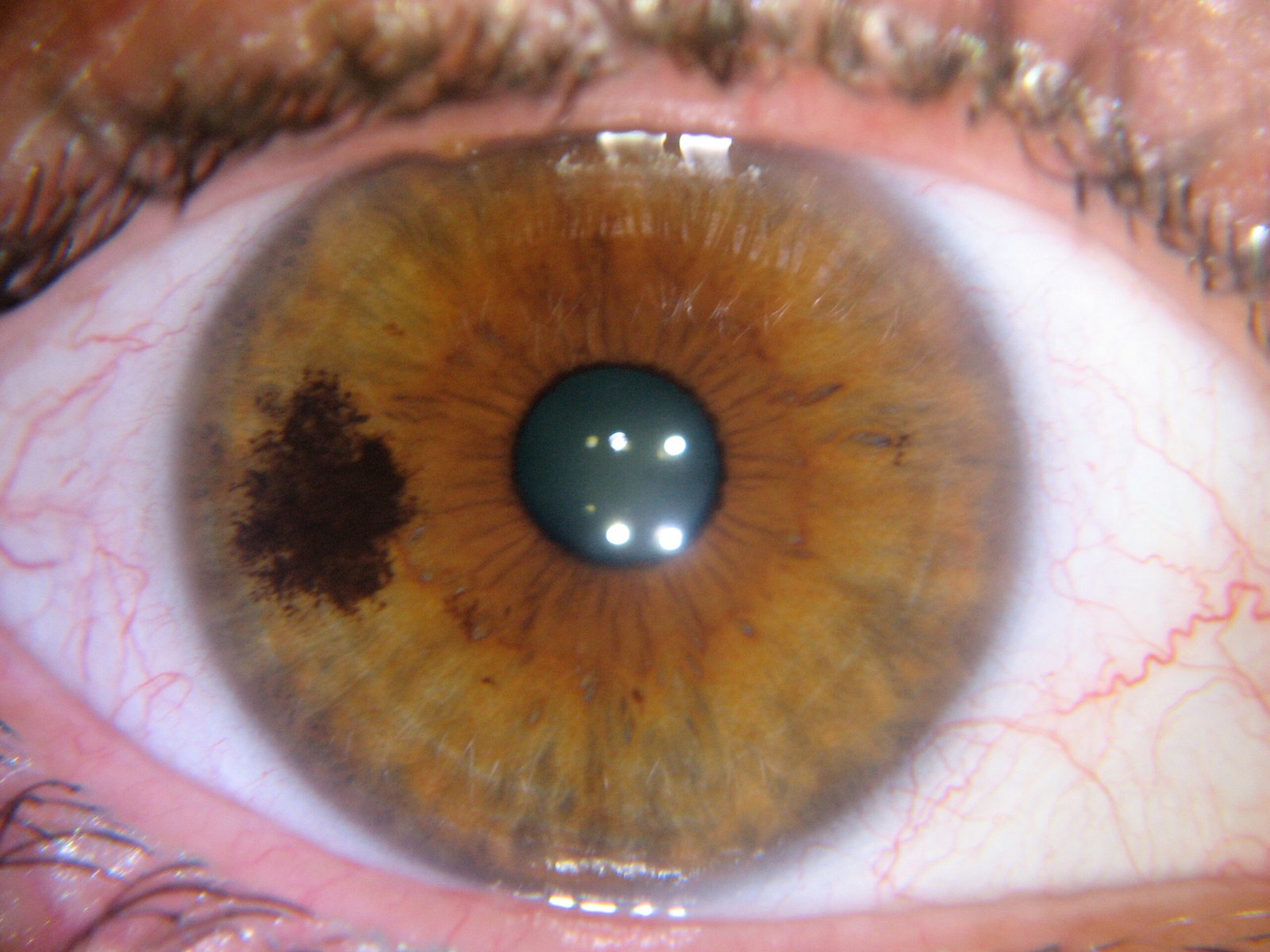
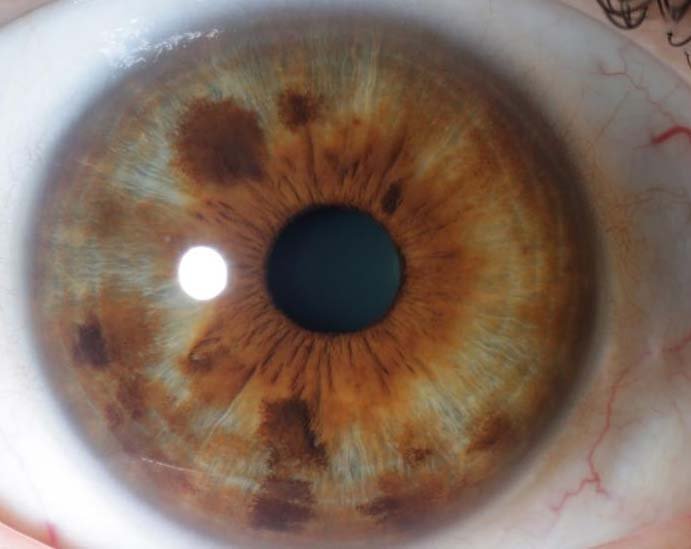
Historical research by natural therapists established detailed maps that correlate specific sectors of the iris with corresponding organ zones and bodily systems. When conducting an assessment, the practitioner notes distinct structural markings such as crypts, radii solaris, contraction furrows, and localized pigment spots. These observations provide a visual baseline to discuss constitutional resilience, digestive tendencies, and cellular nutritional requirements during comprehensive wellness consultations.
Natural therapy practitioners utilize standard reference frameworks to maintain consistency across individual client evaluations:
- Constitutional classification based on base iris colour, distinguishing lymphatic, biliary, and haematogenic structural types.
- Analysis of connective tissue fibre density, which reflects constitutional stamina, tissue integrity, and natural recuperative capacity.
- Observation of collarette dynamics, indicating digestive vitality, autonomous nerve balance, and gastrointestinal nutrient processing.
- Evaluation of toxic settling rings and lymphatic beads, guiding lifestyle discussions surrounding hydration and metabolic clearance.
Consultants who want to understand the underlying framework can explore Iridology foundations to learn how these visual patterns correspond to traditional functional concepts. Combining these visual markers with detailed lifestyle consultations enables practitioners to create tailored nutritional regimens, herbal recommendations, and sensible physical activity schedules.
Digital Iris Imaging: Iriscopes, Cameras, and Software Systems
Modern complementary practices have evolved beyond manual handheld magnifiers, adopting digital optical instruments to capture high-definition photographs of the ocular surface. Utilising an advanced iridology camera or specialised Iriscope allows clinics to view microscopic stromal fibres under stable illumination without causing ocular discomfort.
Reliable digital capture requires dedicated optical sensors, balanced LED illumination, and distortion-free macro lenses designed specifically for anterior eye imaging. High-resolution CCD sensors and integrated image processing hardware preserve delicate colour balance and micro-vascular structures that basic digital cameras often wash out. Stabilised focus wheels and sensitive handle controls enable practitioners to frame both the collarette and the peripheral ciliary zone with precision.
Dedicated Iridology Software connects the camera hardware directly to clinic computer systems, streamlining client records and comparative image analysis across multiple consultations:
| System Component | Primary Function | Practical Clinic Benefit |
| Optical Lens | 30X Magnification | Reveals fine stromal micro-fibres and discrete pigmentation changes clearly. |
| Digital Sensor | 12MP CCD Capture | Delivers high-definition anatomical clarity without digital image noise. |
| Lighting Array | Balanced LED Diodes | Maintains neutral colour temperature without overexposing pupil margins. |
| Analysis Suite | Overlay Mapping | Aligns standardised chart sectors directly over high-resolution client captures. |
Practitioners inspect the resulting digital iris images alongside their clients, using the visual record to explain constitutional strengths, lifestyle habits, and targeted health maintenance concepts directly on the display screen.
Iris Charts, Zonal Mapping, and Constitutional Analysis
Systematic iris analysis depends heavily on accurate topographical charts that map radial sectors of each eye to functional zones across the human body. Practitioners refer to standard Iridology Chart templates to locate specific structural variations relative to clockwise clock positions and concentric ring zones.
The right iris traditionally reflects the right side of the body, including the liver, ascending colon, and right lung, whereas the left iris mirrors the left side, containing zones for the stomach, spleen, descending colon, and heart. Between the pupillary margin and the outer ciliary edge, seven primary concentric zones encompass the stomach wall, intestinal tract, sympathetic nerve crown, soft tissue organs, structural musculature, circulation, and lymphatic skin perimeter.
Practitioners contrasting classical European topographical approaches with modern constitutional evaluation frameworks identify key analytical distinctions across clinical settings:
Structural Topographical Analysis
- Focuses on localized lacunae, crypts, and radial pigment deposits.
- Correlates specific radial clock hour sectors with regional organ systems.
- Assesses inherited organ load and constitutional vulnerability tendencies.
- Applies standard sector overlays during initial client intake consultations.
Holistic Constitutional Evaluation
- Evaluates systemic connective tissue resilience across the entire stroma.
- Analyses autonomic nerve rings to gauge cumulative neuro-emotional stress.
- Monitors toxic settling margins and pupillary border structural tone.
- Guides functional dietary, herbal, and restorative vitality protocols.
Practitioners seeking detailed sector interpretation methods can study Iridology Chart How To Read and reference established texts listed under IRIDOLOGY BOOKS to strengthen their optical evaluation skillset.
Clinical Scope, Boundaries, and Integrative Wellness Protocols
Maintaining strict ethical and legal boundaries is essential for every practitioner offering natural therapies, nutritional advice, or iridology assessments in Australia. Visual iris analysis does not replace conventional medical pathology, clinical imaging, or diagnostic consultations with medical general practitioners and registered specialists.
Iris assessment tools evaluate physical constitution and lifestyle habits rather than specific medical conditions. Iris markings cannot confirm internal diseases, active bacterial infections, surgical conditions, or malignant tumours. Practitioners working in integrated clinics offering modalities such as detox routines, functional ozone support, anti-ageing consultations, or longevity coaching must make these limitations explicit to every client before beginning an assessment.
Notice: All iridology evaluations, iris photographs, and software-generated reports are designed strictly for health-management education, visual assessment, and lifestyle reference. They do not constitute medical diagnosis, treatment, prevention, or medical care, and clients must always consult licensed medical professionals for diagnosed medical issues.
Practitioners pursuing professional training can review formal competencies through accredited educational paths and Certificates to understand ethical reporting boundaries and client intake standards.
Whenever an assessment reveals unusual ocular inflammation, sudden pupillary asymmetry, or uncharacteristic surface lesions, the consultant must provide an immediate referral to an optometrist, ophthalmologist, or medical doctor for formal clinical evaluation.
MAIKONG Hardware Specifications and Software Capabilities
MAIKONG serves as a direct manufacturer of high-precision iridology devices, supporting iridology training institutes, natural health product suppliers, integrated clinics, and international practitioners. With over two decades of production experience operating under ISO9000 quality standards and holding CE compliance, MAIKONG delivers reliable optical platforms designed for routine clinical operations.
The flagship MAIKONG GY-9822U professional USB iriscope integrates advanced optical engineering into an ergonomic, direct-powered consultation package:
| Specification | Hardware Parameter | Operational Detail |
| Resolution | 12.0 Mega Pixels | High-resolution CCD optical sensor captures crisp micro-structural stromal detail. |
| Optics | Plated Coated Lens | Features 30X iris magnification lens with auto white balance and contrast filtering. |
| Power | USB Bus Powered | Plugs straight into host computer ports without external electrical power cords. |
| Controls | Handle Adjusters | Allows fast adjustment of illumination brightness, digital pause, and focal depth. |
| Compatibility | Windows and Mac | Supports Windows 2000 through 11 and Apple macOS; Linux and Android are not supported. |
| Package Size | 35 x 25 x 10 cm | Gross weight 2.500 kg supplied in a protective padded PU carry case. |
Standard accessories include the main capture handset, a 30X iris lens, a lens protective cover, a 1.5-metre USB cable, a protective leather PU box, a printed reference chart, user instructions, and installation media. Practitioners reviewing available system variations can inspect different device configurations under models to determine the best match for their clinic.
Software capabilities include automated constitutional analysis reports, multi-client record tracking, 3D texture visualisation, data backup and restore functions, and customisable health recommendations. The software features 17 language interfaces, including English, Spanish, French, German, Italian, Portuguese, and Simplified Chinese. Prospective users can review software updates via Software Iridology Free Download before installing the drivers.
Regarding after-sales warranty coverage, buyers should note an operational specification detail: manufacturer documentation lists a general one-year warranty for non-human damage alongside a separate technical clause noting thirteen months of malfunction coverage. Purchasers should confirm the exact warranty timeframe in writing when finalising their commercial agreement. Warranty service requires sending the device to the factory for inspection, with damage resulting from force majeure, external physical shock, or unauthorized alteration excluded from standard coverage.
Frequently Asked Questions About ANW Iridology
What does anw iridology mean in Australian wellness practice?
ANW iridology represents visual iris analysis applied within Australian complementary medicine and natural therapy clinics to assess inherited constitutional traits. It provides non-invasive visual insights into tissue vitality and lifestyle patterns without making medical diagnoses or replacing professional healthcare assessments.
Can an iridology camera or iriscope diagnose disease?
No, iridology cameras and iriscopes cannot diagnose, treat, or detect specific medical diseases or internal pathologies. They serve as optical magnification and recording instruments that help practitioners document surface iris patterns for constitutional assessment and health education.
What computer systems support MAIKONG iridology software?
MAIKONG iridology software supports Windows operating systems from Windows 2000 through Windows 11 in both 32-bit and 64-bit modes, as well as modern Apple macOS releases. The software does not operate on Linux, Unix, or Android operating systems.
What accessories are included with professional iriscope equipment?
Standard iriscope packages include the primary camera handset, a 30X iris optical lens, a 1.5-metre USB cable, a lens protective cover, a durable leather PU carry case, an analysis chart, instructions, and driver software. Optional hair analysis lenses and custom branding options are also available.
Enhancing Complementary Practice with Reliable Iris Assessment
Integrating high-definition digital iris imaging into complementary therapy clinics strengthens constitutional analysis, clarifies lifestyle consultations, and improves client engagement through objective visual records. Maintaining transparent non-diagnostic boundaries while utilising dependable optical instruments creates a professional, educational foundation for long-term wellness management.
Become an Australian Distributor or Clinic Partner
Australian wellness clinics, training colleges, natural health retailers, and equipment distributors seeking wholesale supply, OEM branding, or professional iriscope systems can connect directly with our manufacturing team.
Contact US Online WHATSAPP: