Top iridology camera, iriscope Suppliers and Manufacturer

Navigating abebooks iridology Literature and Practice
Searching for abebooks iridology connects readers with an international network of independent booksellers offering rare, out-of-print, and contemporary volumes on iris analysis. These listings compile classical European texts, mid-century American reflexology manuals, and modern complementary health textbooks detailing ocular markings. Studying these printed works provides historical context and anatomical topography for health management and educational reference.

Selecting suitable titles requires verifying publication editions, physical condition ratings, and the presence of intact full-colour reference plates. Critical appraisal helps separate historical wellness models from evidence-based clinical diagnostics, allowing practitioners and students to build a solid educational foundation.

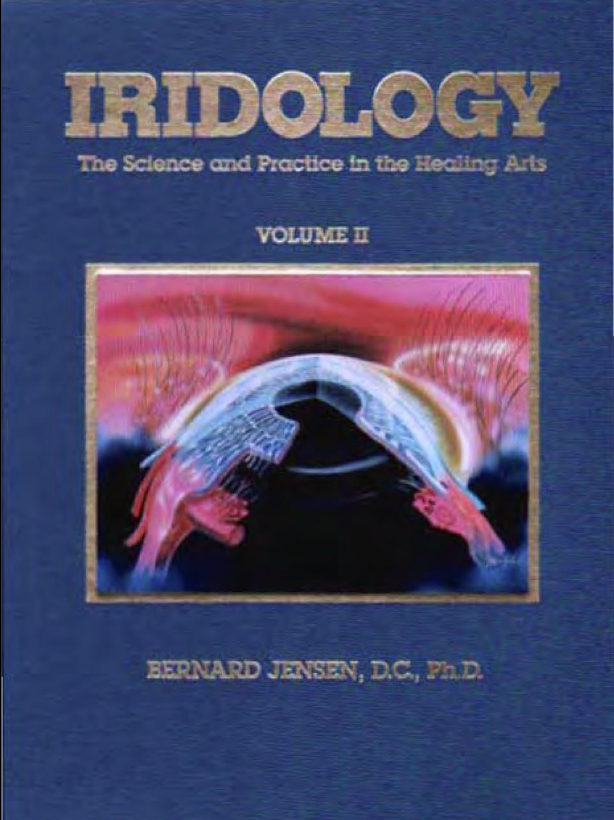


Navigating Iridology Literature Across Independent Bookstores
Online book marketplaces aggregate holdings from thousands of independent antiquarian shops, giving access to titles long absent from mainstream trade distribution. Early foundational writings from nineteenth-century European pioneers and mid-twentieth-century natural therapists frequently appear as used offers, softcover reprints, or collector hardcovers. Locating specific editions allows historical researchers and complementary medicine students to review how iris interpretation frameworks evolved over successive decades.
Marketplace search terms often bring up diverse international printings, ranging from German constitutional iridology studies to American holistic reflex assessment manuals. Because condition ratings vary among booksellers, evaluating listing descriptions closely prevents acquiring volumes with missing fold-out maps or water-damaged plates. Examining publisher imprints, binding integrity, and print dates helps establish whether a specific volume reflects original source teachings or later editorial revisions.
Prioritise listings that explicitly confirm complete, unmarked colour plates and intact fold-out inserts, as iris zone mapping depends heavily on visual clarity. Reviewing general collections of IRIDOLOGY BOOKS provides a clear baseline for standard titles and core curriculum authors.
International parcel transit from distant booksellers requires careful consideration of shipping methods, protective packaging, and transit times. Sturdy protective boxing helps prevent corner bumping and spine splitting on fragile vintage volumes during overseas dispatch to Australia. Establishing dialogue with the seller regarding paper preservation and binding tightness provides reassurance before committing to rare acquisitions.

Criteria for Evaluating Iris Analysis Volumes
Assessing educational texts requires a systematic review of the author credentials, structural organisation, and graphic reproduction quality. Reliable texts present clear distinctions between empirical clinical observations, constitutional wellness concepts, and standard human physiological sciences. Books providing comprehensive bibliographies, peer references, and anatomical indexes offer greater educational value than unverified introductory pamphlets.
Graphic fidelity is essential when studying ocular stroma, pigmentation patterns, and pupil dynamics depicted in text figures. Low-resolution monochrome prints frequently obscure delicate trabecular fibres, nerve rings, and autonomic nerve wreath boundaries, making subtle distinctions difficult to follow. The table below outlines key criteria for assessing printed reference works before purchase.
| Evaluation Attribute | Preferred Standard | Potential Limitation | Assessment Focus |
| Author Pedigree | Formal Training | Anecdotal Only | Confirm clinical background and recognised educational affiliations. |
| Plate Quality | High-Definition Colour | Monochrome Blur | Inspect sharpness of trabeculae and pupillary margin zones. |
| Chart Schemas | Standardised Topography | Conflicting Layouts | Verify clear sector divisions corresponding to functional body zones. |
| Edition Currency | Revised Modern Print | Outdated Terminology | Cross-check historical hypotheses against contemporary health terminology. |
Careful evaluation helps natural therapy learners select durable, informative volumes that serve ongoing study without promoting unsupported therapeutic claims. Comparing various editions across different schools of thought broadens perspective on structural, behavioural, and constitutional approaches.

Australian Educational Frameworks and Natural Therapy Study
Natural health practitioners, naturopaths, and herbalists in Australia frequently incorporate iris assessment as an adjunct visual observation tool. Within complementary wellness practices, non-invasive observations assist in discussing general constitutional strengths, lifestyle patterns, and nutritional habits. Educational standards emphasise that such observations remain strictly within holistic health guidance rather than pathology detection.
Vocational learners and clinic operators benefit from structured academic frameworks that ground iris analysis in biological literacy and professional ethics. Incorporating structured Training helps practitioners understand the legitimate scope of visual wellness assessments while maintaining compliance with local healthcare communication standards.
Foundational Study
Students examine historical literature alongside human anatomy to understand how constitutional wellness traditions developed across international institutions.
Clinical Visual Reference
Practitioners use high-resolution chart displays and classical texts as communicative visual aids during general lifestyle and nutritional client reviews.
Professional Boundaries
Complementary health consultants adhere to clear communication practices that distinguish educational health appraisal from medical diagnosis.
Australian wellness clinics increasingly combine foundational literature libraries with digital documentation tools to enhance client education. Maintaining a well-curated collection of classic and modern textbooks provides valuable context during professional peer reviews and case discussions.

Comparing Reference Texts with Digital Iris Assessment Tools
While printed literature provides essential theoretical depth, modern complementary practices rely on specialized imaging systems to capture iris detail without visual fatigue. Printed diagrams offer an idealised, schematic representation of ocular sectors, whereas living human eyes display substantial individual variation in pigmentation, depth, and illumination reflection. Moving from manual hand lenses to modern digital instrumentation helps standardise recordkeeping and client communication.
Using a specialised iridology camera enables practitioners to archive sequential, timestamped images to monitor tissue changes over time. Unlike static book illustrations, digital captures can be enlarged, calibrated for white balance, and compared across client visits. Reference books remain indispensable companions for interpreting topological sectors, creating a collaborative relationship between traditional print and digital assessment tools.
Printed Reference Literature
- Provides historical context, philosophical frameworks, and foundational constitutional theories.
- Offers standardised schematic maps of functional reflex zones and sectoral projections.
- Serves as a reliable, portable study resource requiring no electrical power or software setup.
Digital Iris Imaging Systems
- Captures high-resolution macro imagery of living stromal structure and micro-vascularisation.
- Facilitates timestamped client records, historical comparative overlays, and digital backups.
- Permits multi-angle LED illumination adjustment to reveal surface topography without glare.
Integrating clear printed references with calibrated digital capture creates an organised workflow for complementary health assessments. Practitioners can examine historical case studies in literature while documenting real-world constitutional patterns using digital imaging equipment.
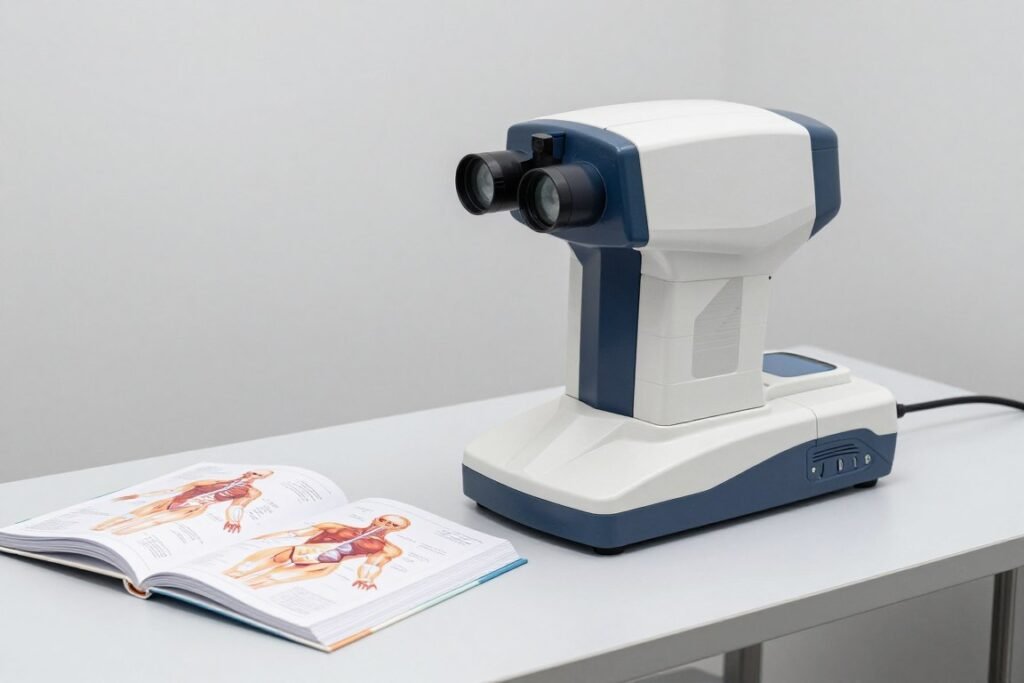
Digital Iriscope Hardware and Multi-Platform Software Systems
Transitioning from printed book study to clinical assessment involves selecting reliable digital imaging hardware and data management programmes. Devices such as the MAIKONG 12MP USB iriscope incorporate high-resolution optical sensors, integrated LED illumination rings, and manual focus dials. Operating alongside dedicated computer programmes, these tools allow practitioners to overlay visual maps directly onto patient photographs for educational reviews.
Cross-platform operating system compatibility is critical for modern multi-device wellness centres running either Windows or Apple environments. Using dedicated Iridology Software supports secure client archiving, multi-language reporting, and comparative image analysis across multiple consultation dates without diagnostic overreach.
| System Attribute | Supported Specification | Operating Environment | Functional Capability |
| Windows Support | Win 2000 to 11 | 32-bit & 64-bit | Runs driver installation, client database, and report generation tools. |
| Apple Support | macOS 10.14 to 15 | Mojave to Sequoia | Enables native macOS image capture and comparative archiving. |
| Hardware Sensor | 12.0 Megapixels | CCD Image Processor | Delivers sharp optical capture with auto white balance and contrast. |
| Interface Languages | 17 Built-In Options | Global Localisation | Includes English, Spanish, French, German, Chinese, and others. |
Standardising equipment across wellness facilities streamlines staff workflows while maintaining consistent data protection practices. Documenting visual findings electronically helps practitioners maintain structured records that complement ongoing personal professional development.
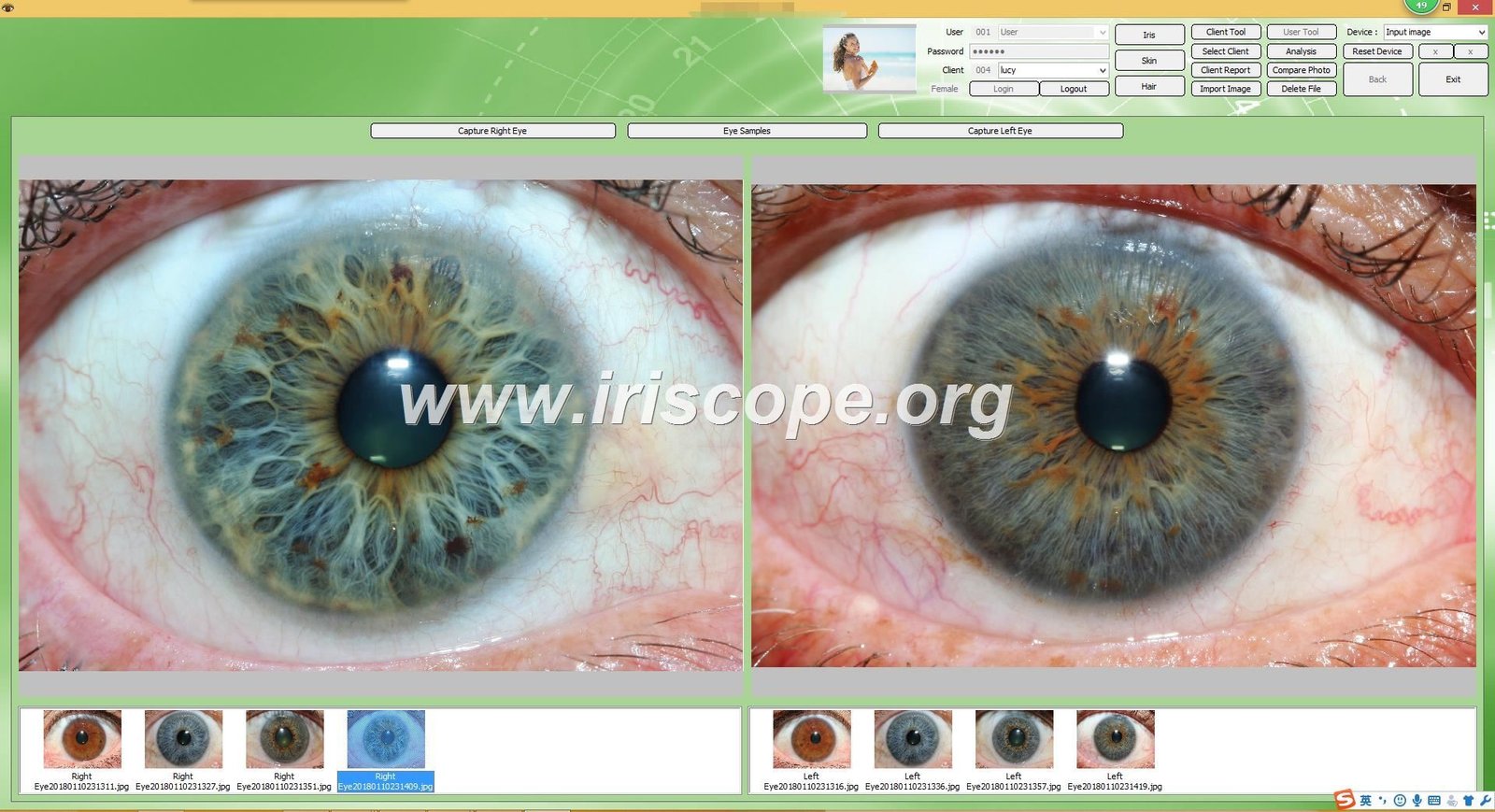
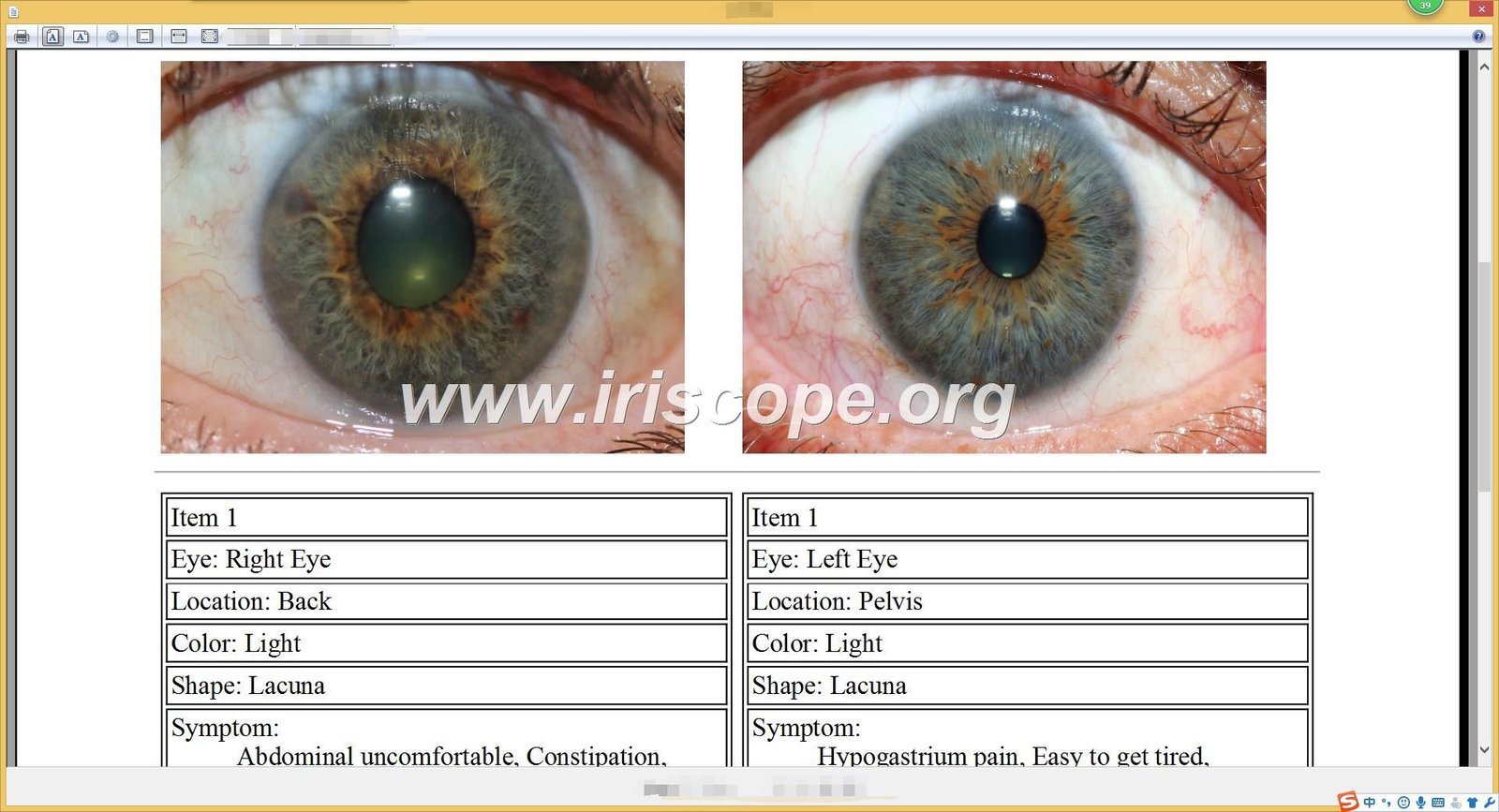
Evidence, Scope, and Health Assessment Boundaries
Maintaining clear boundaries between complementary visual analysis and formal clinical medicine is essential for responsible health communication. Classical literature frequently employed historical terminology that does not align with contemporary pathology or evidence-based clinical diagnostic models. Ocular tissue analysis within complementary health serves as a non-invasive visual screening method to review constitutional lifestyle factors rather than diagnose underlying pathology.
Rigorous scientific evaluations indicate that iris patterns do not reliably confirm internal infectious diseases, malignant processes, or specific organ failures. Iris interpretation books and digital software reports should be applied strictly for client health education, lifestyle awareness, and holistic coaching. Exploring the theoretical principles of Iridology requires transparent acknowledgement of these operational boundaries.
Visual iris assessment, reference literature, and digital imaging records are strictly educational resources for general wellness management. They do not constitute medical diagnosis, cannot replace formal medical pathology examinations, and must not be used to treat or cure clinical conditions.
When clients present with acute symptoms, pain, or unexplained systemic changes, practitioners must recommend prompt evaluation by qualified medical professionals. Establishing collaborative referral channels with medical doctors, diagnostic radiologists, and laboratory specialists supports client wellbeing while upholding professional standards.

Systematic Checklist for Sourcing Iris Analysis Literature
Acquiring reference volumes through online marketplaces demands rigorous verification to avoid incomplete, damaged, or unreadable printings. Because many out-of-print titles were published in small runs with glued bindings, assessing physical construction is just as vital as reviewing text contents. Following a structured verification process helps buyers identify quality copies suitable for long-term reference.
Correlating text descriptions with a standard Iridology Chart helps verify that the sector divisions and reflex nomenclature used by the author match recognised traditions. Applying the following verification sequence helps secure dependable additions to a natural therapy reference collection.
- Verify the exact edition number, revision year, and publisher to confirm whether the text includes updated clinical commentaries.
- Check bookseller descriptions for specific mentions of colour chart plates, ensuring no fold-out inserts have been excised or torn.
- Examine seller notes regarding spine condition, binding separation, and foxing on high-gloss illustration pages.
- Confirm whether the volume features an exhaustive subject index, anatomical glossaries, and comprehensive reference citations.
- Review seller shipping specifications to verify that rigid protective packaging is used to prevent transit damage during international postal carriage.
Executing these verification steps minimises the likelihood of acquiring defective copies that hinder academic study. Building a carefully vetted personal library supports lifelong learning and enhances the quality of professional visual wellness consultations.

Frequently Asked Questions About Iridology Literature and Practice
Is an iridology book suitable for beginners?
Introductory books provide foundational terminology, basic anatomy, and fundamental reflex maps that help beginners grasp core principles. Novice readers benefit from pairing basic texts with structured vocational tuition to understand the practical limits of visual observation.
Are older books still useful?
Older volumes offer valuable historical perspectives on how constitutional observation models emerged and developed across different international schools. However, historical texts should be balanced with contemporary scientific literacy and modern health communication standards.
How can a buyer check whether a book is complete and in good condition?
Buyers should read seller condition notes carefully, asking specific questions about colour plates, fold-out maps, and binding stability before purchase. Confirming that all original graphic inserts remain attached prevents receiving incomplete reference copies.
Are iris charts universal?
Iris charts are not universal, as distinct European, American, and Asian schools developed varied sectoral mappings over the past century. While major organ zones share broad similarities, practitioners must understand the specific topographic framework used in each reference volume.
Can a book teach someone to diagnose illness?
No printed book or manual can teach an individual to diagnose medical diseases through ocular inspection. Iris analysis is limited to constitutional assessment and educational health management, requiring formal medical consultation for pathological diagnosis.
Can an iridology book replace medical advice?
Reference literature cannot substitute for formal medical evaluation, clinical pathology, or physician care. Readers experiencing health symptoms should always consult a licensed medical doctor for proper diagnosis and clinical treatment.
Should Australian practitioners use books, training, and equipment together?
Combining academic literature, accredited professional tuition, and calibrated digital imaging tools establishes a rigorous standard for complementary practice. This integrated approach ensures responsible communication, accurate visual documentation, and strict adherence to local regulatory boundaries.
What should a clinic consider before purchasing digital iris-imaging equipment?
Clinics must evaluate sensor resolution, lighting adjustability, operating system software compatibility, and reliable after-sales technical support. Equipment should facilitate clear client recordkeeping and secure data storage without making exaggerated diagnostic claims.
Educational Foundations in Modern Wellness Assessment
Sourcing classical and contemporary texts provides practitioners and students with essential context on constitutional wellness traditions. Grounding theoretical insights in reputable training frameworks and digital imaging tools supports transparent, client-centred health education. Maintaining clear distinctions between complementary observation and medical diagnosis upholds professional credibility throughout Australian clinical practices.
Equip Your Australian Natural Therapy Practice
Australian wellness clinics, training institutes, and equipment distributors seeking high-definition digital iriscopes, charts, and cross-platform software systems can connect directly with MAIKONG factory representatives for wholesale supply and OEM customisation.
Contact US Online WHATSAPP: