Top iridology camera, iriscope Suppliers and Manufacturer

Anxiety Zones in Iridology: What the Chart Shows—and What It Cannot Prove
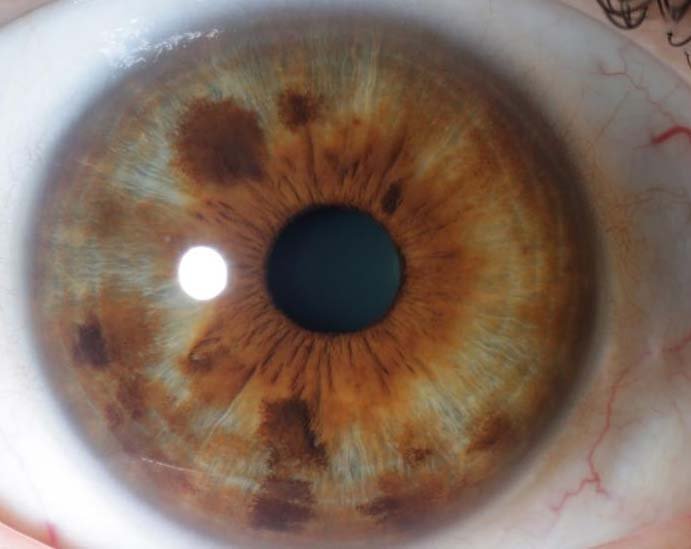
In classical constitutional assessment, _anxiety zones in iridology_ refer to mapped areas of the iris traditionally linked to autonomic nervous system tension, the brain reflex sector, and peripheral stress rings. These markings serve strictly as visual educational reference points for general vitality and lifestyle discussions, rather than clinical proof of an emotional or psychological disorder.
Professional practice requires distinguishing historical iris topography from verified healthcare evaluations. Responsible practitioners utilise clear iris photography to track structural patterns over time while directing all mental health assessments to qualified medical practitioners.
What anxiety zones in iridology mean
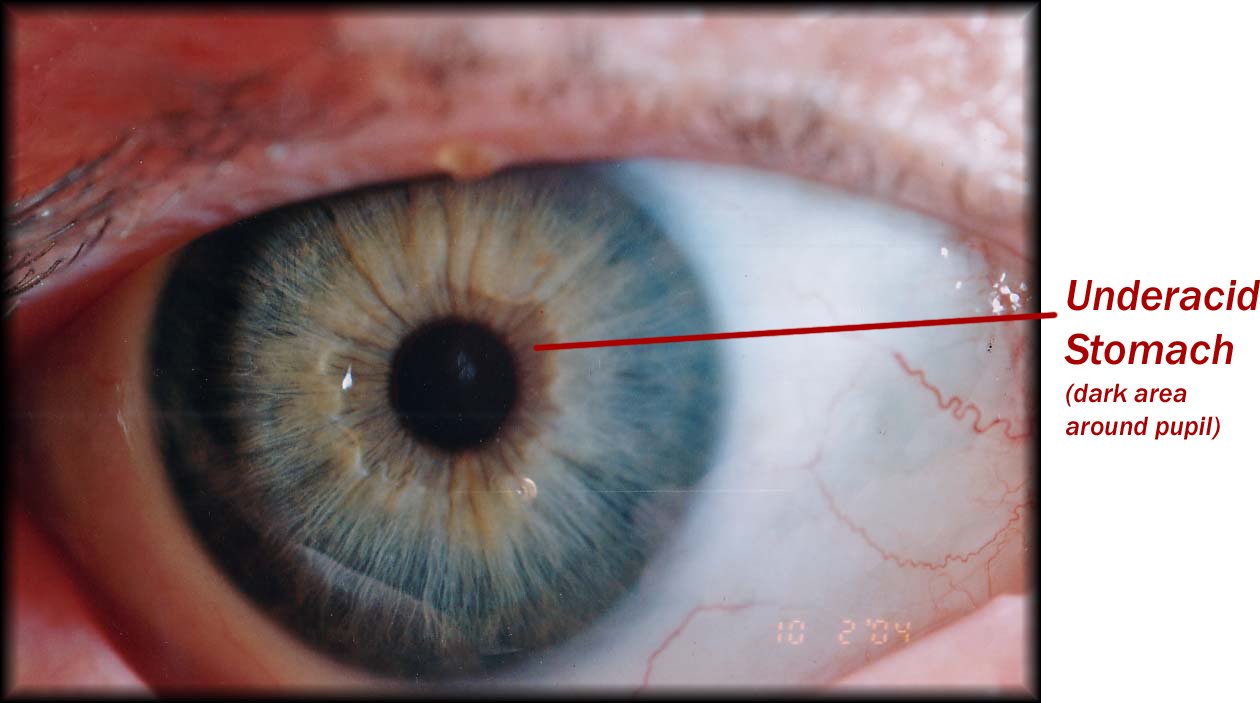
The term _anxiety zones in iridology_ describes specific concentric rings, radial furrows, and inner pupillary borders that historical iridology models associate with nervous system reactivity. Classical iridologists categorise these signs under constitution types, such as the anxiety-tetanic or neurogenic patterns, which indicate how an individual historically displays physical responses to systemic stress.
These signs reflect tissue density and structural variations within the stroma rather than active neurochemical changes in the brain. An observation in an iris sector does not indicate the presence, severity, or cause of clinical anxiety.
Iris topography highlights constitutional predispositions and lifestyle habits for educational discussion. It does not replace psychological assessment, diagnostic pathology, or medical consultations.
Holistic health practitioners in Australia use these visual markers to open broader lifestyle conversations surrounding rest, work-life balance, and nutritional support. Exploring Iridology provides a non-invasive visual framework that complements wellness coaching without venturing into medical claims.
How traditional iridology charts present anxiety-related areas
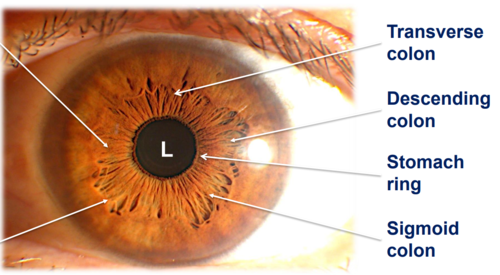
Traditional iris mapping frameworks separate the iris into distinct concentric rings and clock-like sectors to represent corresponding organs and physiological pathways. Stress-related indicators predominantly appear across the inner pupillary margin, the collarette, and the outer ciliary zones.
Autonomic Nerve Wreath
The collarette surrounds the digestive zone and reflects autonomic nervous balance according to traditional iris reading systems. Indentations, spastic contractions, or jagged disruptions along this border are historically interpreted as autonomic fatigue or internal tension.
Concentric Contraction Rings
Circular arcs rippling through the ciliary body are commonly termed nerve rings or stress rings in traditional models. Practitioners view these structural folds as indicators of musculoskeletal tightness, elevated environmental sensitivity, or accumulated physical stress.
Why chart locations can vary
Different international schools of iridology—such as the Jensenian, Angerer, and modern European models—present slight variations in sector boundaries. Understanding Iridology Chart How To Read methods helps practitioners understand why one chart may place emotional response zones near the upper cerebral sector while another prioritises the autonomic border. These variations underline why charts represent conceptual models rather than rigid anatomical truths.
Can an iridology camera or iriscope detect anxiety?
A digital optical device cannot detect, assess, or confirm anxiety or any emotional state. An iridology camera acts strictly as an imaging tool designed to capture high-resolution visual records of stromal fibres, crypts, and pigmentation.
Optical Imaging Capabilities
- Captures high-resolution macro imagery of iris fibres under balanced illumination.
- Maintains longitudinal image files for tracking surface changes across sessions.
- Facilitates interactive client education by displaying magnified visual structures on screen.
Diagnostic Boundaries
- Cannot evaluate neurochemical levels, neurotransmitter activity, or clinical moods.
- Cannot confirm stress disorders, trauma histories, or panic conditions.
- Must never be presented to clients as an objective diagnostic examination.
Image capture versus health interpretation
Digital magnification allows practitioners to inspect minute details without relying on handheld torches and simple magnifiers. However, visual patterns such as deep contraction rings can stem from hereditary eye structure, natural pupillary dynamics, or optical artefacts rather than active stress. Responsible iridology practitioners interpret these images as historical constitutional tendencies while leaving clinical evaluation to qualified medical experts.

How to discuss iris observations responsibly in Australia
Complementary health practitioners working within Australia must observe clear regulatory boundaries regarding mental health and therapeutic representations. Presenting an iris reading as an assessment of clinical anxiety exposes clients to health risks and breaches professional codes of conduct.
Never tell a client that their iris proves an anxiety disorder or mental health condition. Refer any client experiencing persistent worry, panic attacks, or emotional distress directly to a general practitioner or registered mental health specialist.
Consent, privacy, records, and referral boundaries
Client consultations require explicit consent before capturing and archiving ocular images. Digital files must be secured in compliance with Australian privacy standards, protecting personal data from unauthorised distribution. Practitioners should use iris images solely to discuss general lifestyle factors, such as dietary choices, hydration, and relaxation routines, establishing clear boundaries with clients from the initial appointment.
How MAIKONG equipment supports visual education and client records
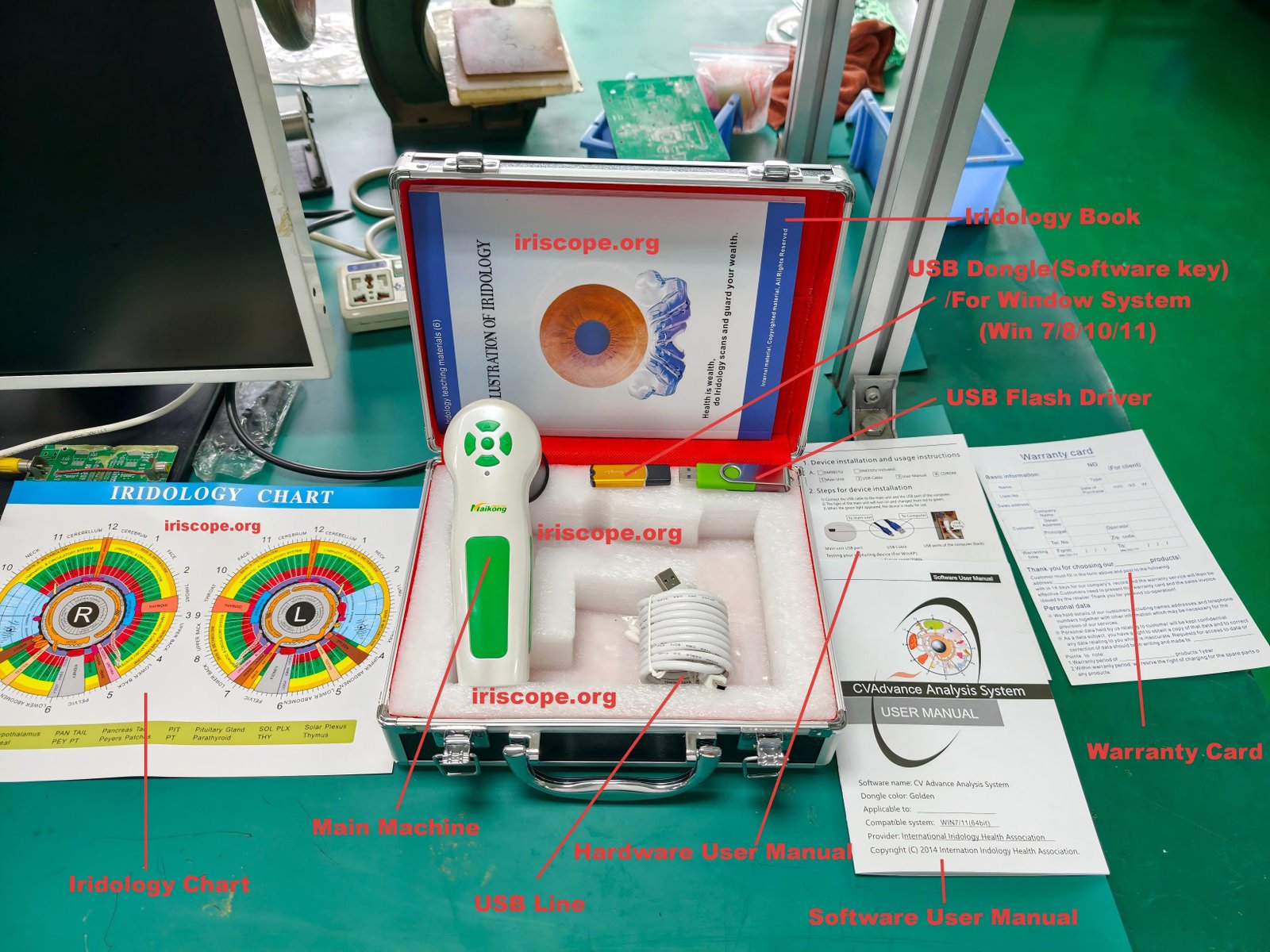
Visual documentation in complementary consultations relies on stable hardware and reliable data management. Professional iris assessment equipment allows practitioners to photograph, organise, and review client charts systematically without manual measurement errors.
| Component | Primary Function | Operational Scope |
| Handset Sensor | 12.0MP CCD | High-definition stromal imaging with optical stabilisation. |
| Iris Optics | 30X Lens | Standardised close-up magnification with integrated LED lighting. |
| System Platform | Windows & Mac | Supports Windows XP through 11 and Apple macOS platforms. |
| Client Records | Data Archiving | Organises chronological photo comparisons and printable education reports. |
Practitioners using modern Iridology Software gain access to custom reporting templates, multi-language support across seventeen languages, and side-by-side comparative tools. These software features assist client discussions by illustrating how individual eye markers compare over time, keeping all records structured for administrative clarity.
Practical image-quality considerations
Accurate visual documentation requires meticulous control over optical variables to avoid creating misleading artefacts. When assessing _anxiety zones in iridology_, poor lighting or unsteady capture can mimic structural stress rings.
- Reflections from harsh clinic downlights can create false shading across the pupillary margin.
- Pupil reactivity under shifting light levels alters the tension and spacing of peripheral contraction arcs.
- Improper manual focus can blur fine stromal fibres and lead to incorrect visual assumptions.
- Reviewing standard Operation Steps supports consistent optical positioning and balanced white levels.
Maintaining stable camera distance and calibrated illumination minimises optical distortion. Consistent image capture guarantees that repeat client sessions provide genuine comparative value rather than photographic discrepancies.
Frequently asked questions about anxiety zones in iridology
What are anxiety zones in iridology?
They are traditional chart locations, mainly the collarette and concentric ciliary rings, historically linked to nervous system constitution. They represent educational concepts rather than clinical diagnoses.
Can an iriscope identify an anxiety disorder?
An iriscope is an optical camera that captures close-up images of eye structures and cannot diagnose psychological disorders. Mental health conditions require comprehensive clinical evaluation by qualified medical professionals.
Do contraction rings in the iris mean someone is stressed?
Contraction rings reflect genetic stromal folds and iris musculature rather than an active state of psychological stress. They serve as talking points for lifestyle habits rather than proof of emotional tension.
When should an iridologist refer an Australian client to a doctor?
A practitioner should refer clients immediately whenever they report persistent anxiety, sleep disturbances, low mood, or physical symptoms. Iridology cannot substitute for general medical care or psychiatric support.
What computer systems support MAIKONG iridology software?
The software supports Windows 2000, XP, Vista, 7, 8, 10, and 11, alongside Apple macOS versions from 10.14 through 15. It does not support Linux or Android operating systems.
Conclusion and appropriate next steps
Understanding _anxiety zones in iridology_ provides complementary health practitioners with a rich historical framework for lifestyle discussions while maintaining strict boundaries around mental health diagnosis. High-quality iris cameras and standardised chart references support responsible client education, leaving clinical evaluations entirely in the hands of registered healthcare providers.
Equip Your Natural Therapy Clinic with MAIKONG
Australian wellness clinics, naturopaths, and regional distributors can contact MAIKONG for professional iriscope systems, software licensing, and wholesale partnership terms.
Contact US Online WHATSAPP: