Top iridology camera, iriscope Suppliers and Manufacturer

Animal Iridology: What It Is, How Iris Images Are Used and Important Limitations

What Is Animal Iridology?
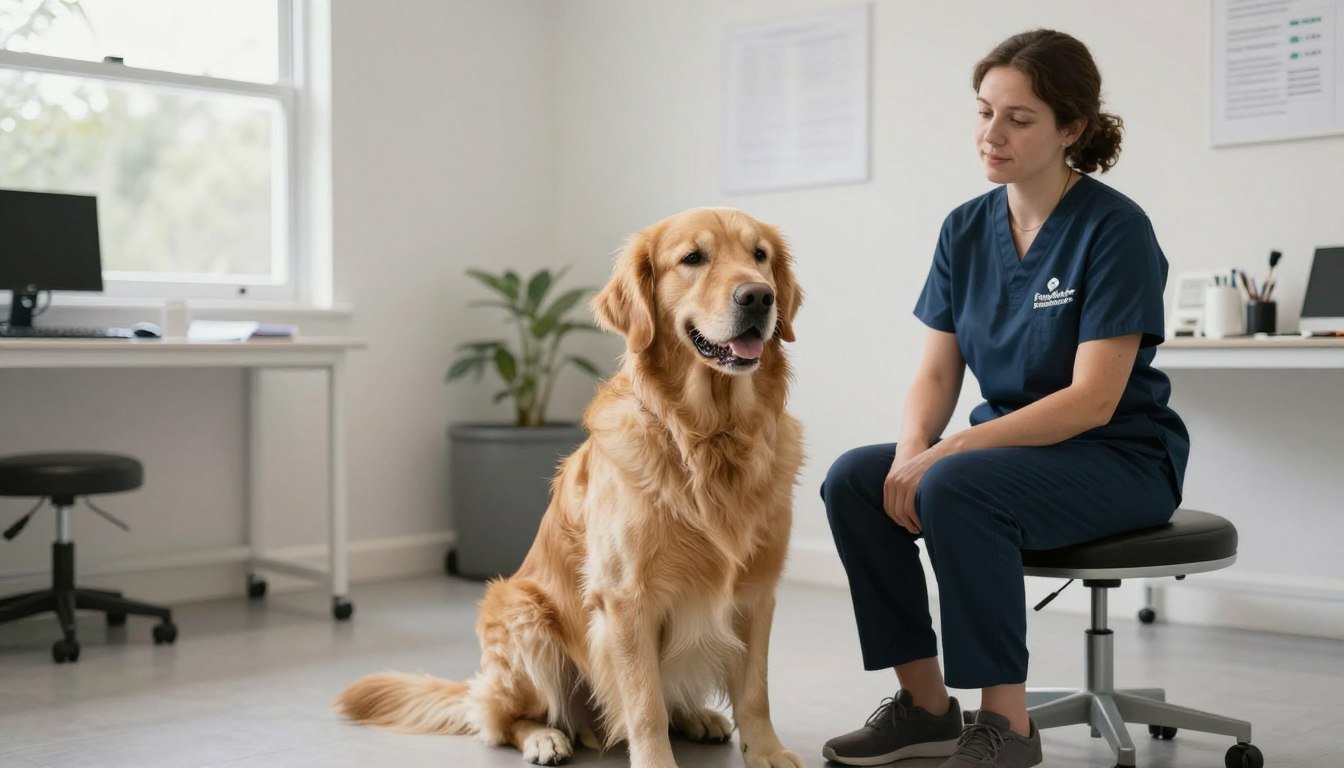
Animal iridology adapts the foundational principles of human ocular observation to domestic species. The discipline suggests that variations in iris fibre density, pigment flecks, and structural rings correspond to inherited constitutional traits and tissue vitality. Carers use this visual assessment to identify potential areas of systemic stress, helping guide dietary choices, functional herbs, and daily exercise routines.
In traditional complementary practice, an animal’s right eye corresponds to the right side of the body, while the left eye reflects the left side. Practitioners refer to specialised species-specific charts, such as an adapted Iridology Chart, to map autonomic zones and organ systems. General Iridology concepts highlight that ocular markings remain constitutional markers rather than real-time disease indicators.
Ocular markings reflect constitutional tendencies and tissue patterns for lifestyle review. They do not constitute veterinary pathology, clinical diagnoses, or medical forecasts.
Modern practitioners frequently integrate iris observation into wider animal wellness regimes, such as functional nutrition, botanical support, and environmental stress reduction. Documenting these structural features over time creates a photographic baseline of an animal’s vitality throughout its natural lifespan.
How Animal Iris Imaging Is Performed
Capturing clear ocular photographs of domestic animals requires patience, gentle handling, and suitable lighting adjustments. Unlike human subjects, pets move unpredictably and react quickly to unexpected reflections or loud mechanical shutters. A successful imaging session prioritises animal comfort and avoids forceful restraint or intimidating hardware.
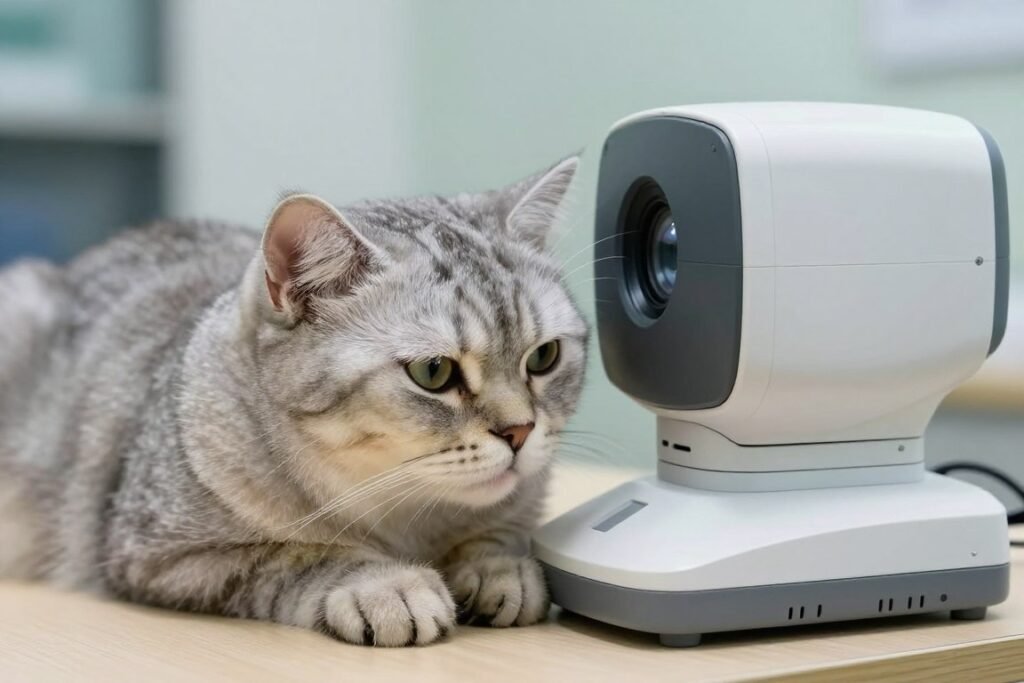
Practitioners follow structured handling procedures to maintain a calm setting and capture reliable reference imagery:
- Allow the animal to acclimatise to the room, sniffing the surroundings and settling into a secure resting posture.
- Avoid harsh overhead spotlights, relying instead on diffused, low-intensity LED illumination positioned around the optical barrel.
- Hold the handheld imaging lens steady at a comfortable working distance, aligning the focal plane with the pupil margin.
- Capture high-resolution still frames between natural blinks using a single-touch digital pause or capture trigger.
- Log the captured files with timestamped identification to track structural pigment patterns over subsequent seasons.
Following established Operation Steps helps practitioners obtain consistent image angles without subjecting the animal to prolonged handling sessions.
What an Iriscope or Iridology Camera Can Record
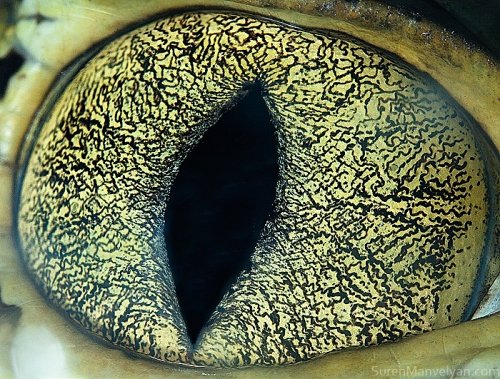
A dedicated handheld Iriscope or digital iridology camera acts as an optical recording device, capturing high-definition colour photographs of the anterior eye. These instruments reveal fine ocular surface details that remain invisible to the unaided human eye. The resulting photographs document constitutional surface traits, giving holistic practitioners a visual basis for longitudinal client reviews.
| Ocular Feature | Visual Characteristic | Observational Relevance |
| Fibre Structure | Tight or open trabeculae | Provides a visual record of inherited constitutional tissue density and structural resilience. |
| Pigment Deposits | Localized colour spots | Monitors visual shading variations across autonomic pupillary and ciliary zones over time. |
| Pupillary Border | Inner pupillary margin | Documents structural symmetry and boundary definition adjacent to the central aperture. |
| Contraction Furrows | Concentric ring lines | Highlights mechanical folding patterns associated with neurological and muscular tension responses. |
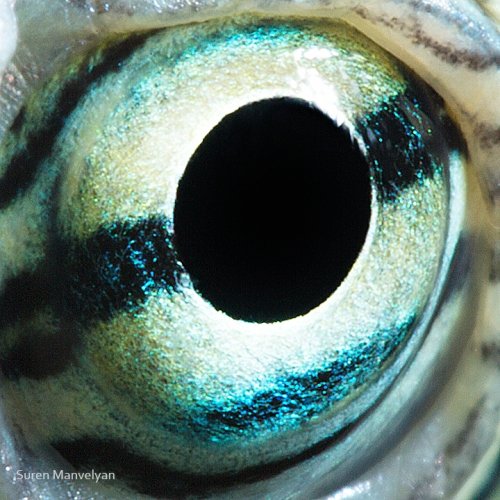
High-resolution optical sensors resolve fine details in brown, amber, and blue irises across diverse canine and feline breeds. Preserving these images in digital client files allows practitioners to compare structural patterns across different wellness consultations.
Animal Iridology and Animal Welfare
Ethical animal assessment demands that physical comfort and emotional wellbeing take precedence over obtaining a photograph. An animal that displays signs of fear, agitation, or ocular sensitivity must never be forced into an examination. If a pet pulls away, trembles, or shows defensive body language, the session should stop immediately.
Never flash intense lights directly into an animal’s eyes. Any cloudiness, redness, discharge, squinting, or apparent ocular pain requires urgent referral to a registered veterinarian.
Ocular discomfort often indicates serious medical conditions such as corneal ulceration, uveitis, glaucoma, or foreign body trauma. Complementary practitioners must recognise that animal iridology has no capacity to detect or manage acute ophthalmic pathology. Immediate veterinary intervention protects the animal from permanent sight loss or systemic infection.
What Animal Iridology Cannot Prove
Maintaining realistic expectations prevents misunderstandings between natural health practitioners and pet owners. Although visual iris documentation highlights interesting phenotypic patterns, it operates outside veterinary clinical science. Clear distinctions exist between observational complementary assessment and conventional medical diagnostics.

Observational Assessment Scope
- Records surface iris colouration, trabecular layout, and pigment spots.
- Facilitates historical record-keeping and holistic client consultations.
- Supports discussions regarding diet, daily environment, and exercise.
Clinical Diagnostic Boundaries
- Cannot detect acute bacterial, viral, or fungal infections.
- Cannot confirm internal organ pathology, fractures, or malignancies.
- Cannot substitute for haematology, urinalysis, biopsy, or medical imaging.
Animal carers should never delay conventional medical treatment or alter veterinary medication based on iris photographs. Complementary consultations operate purely as supportive educational dialogues, helping owners monitor daily lifestyle, grooming, and dietary variables responsibly.
Questions Australian Readers May Still Have
Pet owners and clinic operators across Australia often enquire about practical legal, educational, and operational boundaries. Understanding regulatory contexts helps individuals introduce visual documentation into holistic practices without overstepping professional scopes of practice.
Owner Consent
Practitioners must obtain written informed consent confirming that visual assessments serve purely educational purposes and never replace veterinary consultations.
Educational Path
Foundational knowledge can be developed through formal Training courses and reading recognised IRIDOLOGY BOOKS focused on holistic care.
Holistic Care
Iris records often integrate with complementary therapies, nutrition planning, detox support, and natural vitality programmes under qualified guidance.
Transparent client communication builds trust across animal wellness centres, mobile natural therapy clinics, and holistic rehabilitation facilities throughout Australia.
Using MAIKONG Equipment for Educational and Wellness Documentation
MAIKONG produces high-resolution digital imaging systems designed for non-invasive ocular examination and educational record-keeping. The portable Iridoscope connects directly via USB to desktop and portable computers without requiring external power supplies. An integrated handle switch controls illumination brightness and manual focal depth, accommodating different working distances around resting animals.
Equipment Advantages
- Equipped with a 12.00-megapixel high-resolution CCD sensor for fine detail.
- Features a dedicated DSP image processor with optical image stabilisation.
- Supplied with standard protective Accessories including an iris lens and PU carry box.
Practical Considerations
- Requires an animal to remain still for a brief focal adjustment period.
- Optical analysis software serves record-filing and educational purposes only.
- Factory hardware servicing requires shipment return to the manufacturing centre.
These devices allow natural therapy centres, animal nutritionists, and wellness clinic operators to build structured visual archives for ongoing client reviews.
Product and Software Information
MAIKONG provides integrated hardware and analysis platforms suited for multi-device practitioner environments. The proprietary Iridology Software manages digital client profiles, timestamped photo comparisons, and visual report generation across various desktop operating systems.
| Platform Specification | System Details | Operational Scope |
| Operating Systems | Windows and Apple Mac | Supports Windows 2000 through Windows 11 alongside native Apple MAC OS systems; Linux is unsupported. |
| Language Systems | 17 Global Languages | Includes English, Spanish, French, Italian, German, simplified Chinese, traditional Chinese, and Malaysian. |
| Camera Hardware | Model GY-9822U | Features a 12.00 MP sensor, plated optical lens, circular LED illumination, and USB connectivity. |
| Design Lifespan | 5 to 10 Years | Electronic hardware built for standard multi-year professional clinic and educational utility. |
The company reports two decades of manufacturing and development experience, holding CE certification and ISO9000 manufacturing management process procedures. According to company statements, MAIKONG has supplied OEM and ODM solutions to more than 1,000 customers globally, including training academies, nutritional direct-sales companies, and clinic dealers.
Buyers should review warranty terms prior to order placement. Company marketing documentation notes a standard one-year warranty for non-human-caused defects, while service terms reference thirteen months of material maintenance. Purchasers should clarify exact warranty terms in writing with the sales team before finalizing international shipments.
Frequently Asked Questions
Can animal iridology diagnose acute infections or organ diseases?
No, animal iridology cannot diagnose acute infections, systemic diseases, or structural injuries. The practice is strictly limited to observing visual surface features and constitutional markers for educational health management. Any sign of illness requires diagnosis by a registered veterinarian.
Is the examination process safe and pain-free for pets?
Yes, visual iris observation is completely non-invasive and painless when conducted properly. The practitioner uses gentle, diffused illumination without touching the eye surface. If an animal appears anxious or pulls away, the session must stop immediately.
Does MAIKONG iridology software operate on modern computer systems?
MAIKONG iridology software supports Windows systems from Windows 2000 through Windows 11, as well as modern Apple macOS platforms. It does not operate on Linux, Unix, or mobile Android operating systems. Users verify compatibility before completing installation.
What should an animal carer do if cloudiness appears in a pet’s eye?
An owner must consult a registered veterinary clinic immediately if cloudiness, redness, or discharge develops. Such symptoms suggest potential medical conditions requiring prompt veterinary diagnostic tools. Delaying medical care to seek alternative readings places the animal’s ocular health at risk.
Are iridology software reports considered valid veterinary medical records?
Software reports generated through iridology programmes serve solely as personal client reference notes and educational lifestyle logs. They are not recognised veterinary medical records and carry no legal pathology status. Carers should share all relevant lifestyle observations transparently with their primary veterinarian.
Conclusion and Australian Distribution
Animal iridology offers an educational perspective on constitutional markings, iris pigmentation, and lifestyle documentation for domestic animals. When practiced with strict adherence to animal welfare and clear medical boundaries, digital iris imaging serves as a non-invasive visual tool for holistic carers. Maintaining regular veterinary supervision remains essential for diagnosing and managing genuine animal health issues.
Become an Authorised MAIKONG Distributor in Australia
Natural therapy clinics, veterinary equipment importers, and holistic wellness suppliers can partner directly with MAIKONG for professional iriscope systems, software customisation, and factory-direct supply.
Contact US Online WHATSAPP: